
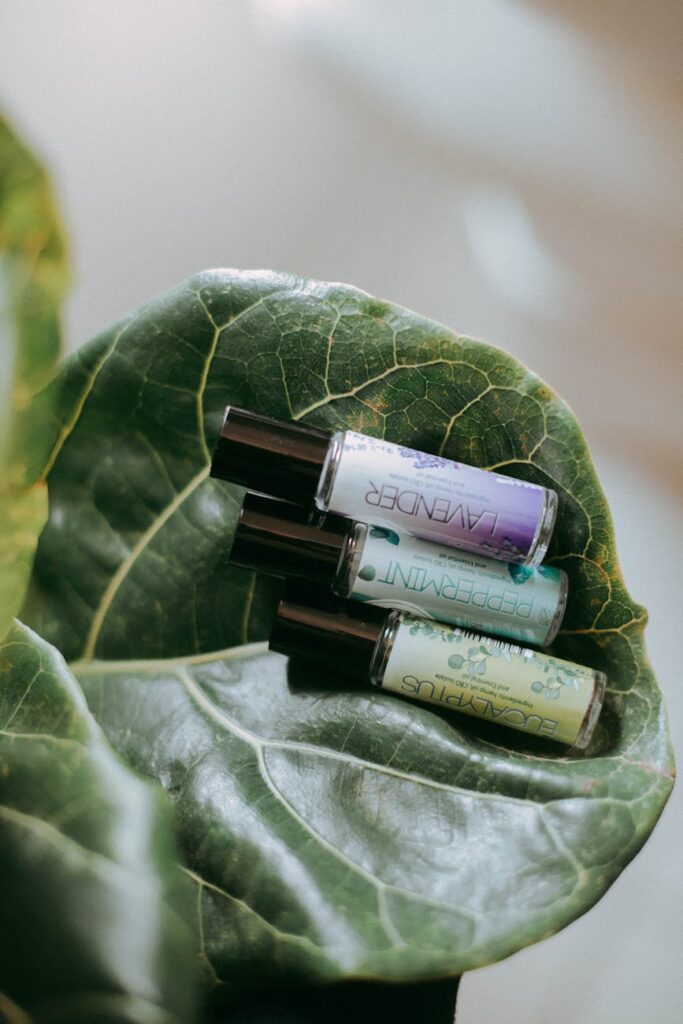
History and Origins of Meditative Essential Oil Blends
Introduction
The use of essential oils for meditation has deep historical roots that span various cultures and traditions. These aromatic compounds, derived from plants, have been utilized for centuries to enhance spiritual practices, promote relaxation, and support emotional well-being. This article explores the history and origins of meditative essential oil blends, delving into their definitions, benefits, applications, and safety considerations.
What Is Meditative Essential Oil Blends?
Meditative essential oil blends are combinations of essential oils specifically formulated to enhance meditation and mindfulness practices. These blends typically incorporate oils known for their calming, grounding, and uplifting properties. Common components include lavender, frankincense, sandalwood, and bergamot, among others. By harnessing the natural aromas of these oils, practitioners aim to create an environment conducive to relaxation, focus, and spiritual connection.
Key Benefits and Properties
The benefits of meditative essential oil blends are multifaceted, encompassing both physical and emotional well-being. Some key properties include:
1. Calming Effects: Many essential oils possess sedative qualities that can reduce anxiety and promote a sense of peace. For example, lavender oil is widely recognized for its ability to alleviate stress and enhance sleep quality.
2. Grounding Properties: Oils such as frankincense and vetiver are known for their grounding effects, helping individuals feel centered and connected to the earth. This grounding sensation can be particularly beneficial during meditation, allowing practitioners to focus inward.
3. Mood Enhancement: Certain oils, like citrus oils (e.g., bergamot and sweet orange), are celebrated for their uplifting properties. They can help elevate mood and foster a positive mindset, making them ideal for meditation practices aimed at self-discovery and emotional release.
4. Enhanced Focus: Some essential oils, such as rosemary and peppermint, are known to improve concentration and mental clarity. Incorporating these oils into a meditation practice can aid in maintaining focus during sessions.
5. Spiritual Connection: Many cultures believe that certain essential oils facilitate a deeper spiritual connection. For instance, sandalwood is often used in sacred rituals to invoke a sense of the divine.
Common Uses
Meditative essential oil blends are versatile and can be utilized in various ways, including:
- Diffusion: Adding essential oils to a diffuser can disperse their aromas throughout a space, creating an inviting atmosphere for meditation.
- Topical Application: Blending essential oils with a carrier oil allows for safe application on the skin. Massaging these blends onto pulse points or the abdomen can enhance relaxation.
- Bathing: Adding essential oils to bathwater can create a tranquil environment, perfect for meditative practices. The warm water, combined with the aromatic oils, promotes relaxation and sensory engagement.
- Inhalation: Simply inhaling the scent of essential oils directly from the bottle or by using an inhaler can provide an immediate calming effect.
- Meditative Rituals: Many practitioners incorporate specific oils into their meditation rituals, using them as part of a sacred space or intention-setting practice.
- Dilution: Always dilute essential oils with a carrier oil before applying them to the skin. This reduces the risk of irritation and enhances absorption.
- Allergies: Individuals should perform a patch test before using a new essential oil to check for allergic reactions. If irritation occurs, discontinue use and consult a professional.
- Sensitivity: Pregnant or nursing individuals and those with specific health conditions should consult a qualified practitioner before using essential oils.
- Storage: Proper storage of essential oils is essential to maintain their potency and prevent degradation.
- Cool, Dark Place: Store essential oils in a cool, dark location away from direct sunlight. Exposure to light and heat can degrade the oils over time.
- Tightly Sealed Containers: Ensure that bottles are tightly sealed to prevent evaporation and contamination.
- Use Glass Containers: Essential oils can degrade plastic; therefore, storing them in dark glass bottles is recommended.
- Check Expiration Dates: While some oils can last for several years, others may have a shorter shelf life. Check for signs of rancidity or changes in aroma.
Aromatherapy Applications
Aromatherapy is a holistic practice that utilizes essential oils to promote emotional, mental, and physical well-being. Meditative essential oil blends play a significant role in this field, offering various applications:
1. Mindfulness Meditation: Aromatherapy can enhance mindfulness practices by creating a sensory anchor. The scent of essential oils can ground practitioners in the present moment.
2. Guided Meditations: Instructors often incorporate essential oil blends into guided meditation sessions, encouraging participants to engage with their senses.
3. Chakra Balancing: In some spiritual traditions, essential oils are associated with specific chakras. Applying oils aligned with these energy centers can enhance balance and promote emotional healing.
4. Yoga Practice: Many yogis use essential oils during their practice to deepen relaxation and enhance focus. Blending oils with a carrier for use during savasana (corpse pose) is particularly popular.
5. Candle Making: Crafting candles infused with essential oils allows individuals to create a multisensory experience during meditation, combining light, scent, and ambiance.
Safety Considerations
While essential oils offer numerous benefits, it is essential to use them safely. Some considerations include:
Storage and Shelf Life
The shelf life of essential oils can vary based on their composition and how they are stored. Here are some guidelines for proper storage:
Frequently Asked Questions
1. Can I create my own meditative essential oil blend?
Yes, blending essential oils can be a rewarding and personal experience. Start with a few oils that resonate with you and experiment with different combinations.
2. How do I know which oils to use for meditation?
Consider your intentions for meditation. If you’re seeking relaxation, calming oils like lavender may be appropriate. For focus, try oils like rosemary or peppermint.
3. Are there any oils I should avoid during pregnancy?
Certain essential oils are not recommended for pregnant or nursing individuals. Always consult a healthcare professional for personalized guidance.
4. How often can I use meditative essential oil blends?
You can use these blends as often as you like. However, pay attention to how your body responds and adjust usage accordingly.
5. Can I use essential oils for other purposes besides meditation?
Absolutely! Essential oils have a wide range of applications, including skincare, cleaning, and mood enhancement.
In conclusion, meditative essential oil blends offer a rich history and a plethora of benefits for enhancing meditation and mindfulness practices. By understanding their origins, properties, and applications, individuals can cultivate a deeper connection to their spiritual journey while promoting emotional well-being. Whether through diffusion, topical application, or ritualistic use, essential oils continue to play a significant role in the art of meditation across cultures.