
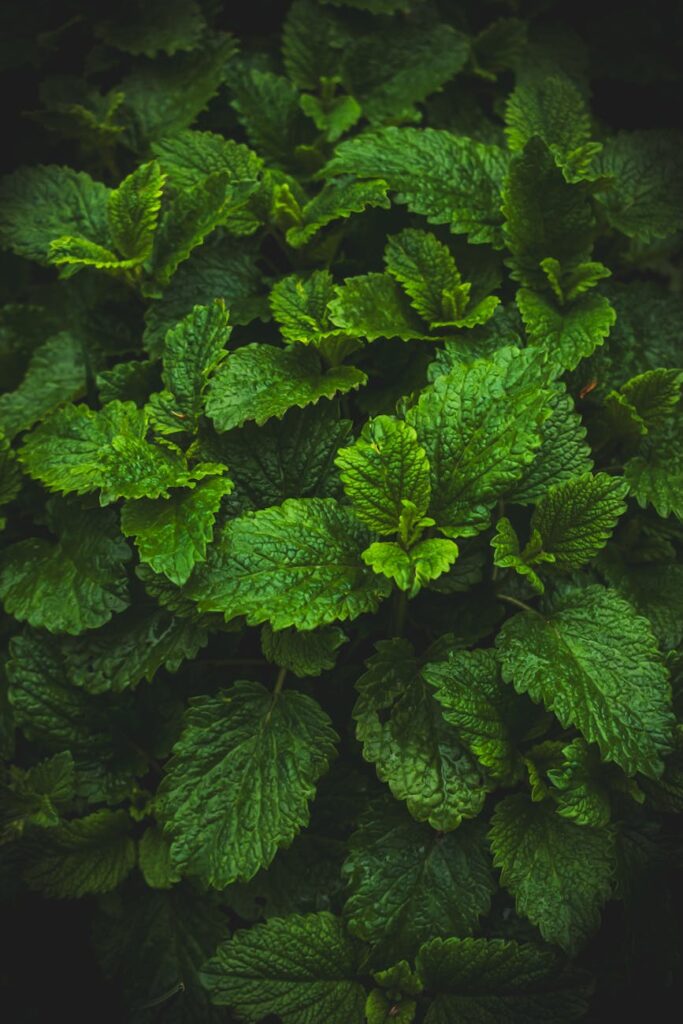
History and Origins of Mint Hydrosols
Introduction
Mint hydrosols, derived from the steam distillation of mint plants, possess a rich history intertwined with the cultural practices of various civilizations. Their aromatic and therapeutic qualities have made them a staple in many households and industries. This article delves into the origins, benefits, and applications of mint hydrosols, offering a comprehensive overview for anyone interested in the fascinating world of essential oils and aromatherapy.
What Is Mint Hydrosols?
Mint hydrosols are water-based byproducts of the steam distillation process used to extract essential oils from mint plants. While they contain a small fraction of the essential oil, they exhibit unique properties that differentiate them from their concentrated counterparts. The term “hydrosol” is derived from the Latin words “hydro,” meaning water, and “sol,” meaning solution. They are often celebrated for their milder aroma and gentler therapeutic effects, making them suitable for a wider audience, including those with sensitive skin.
Mint hydrosols can be produced from various species of mint, including:
- Peppermint (Mentha × piperita)
- Spearmint (Mentha spicata)
- Catmint (Nepeta cataria)
- Cooling Effect: Mint hydrosols are known for their refreshing and cooling sensation, making them ideal for use in hot weather or after physical exertion.
- Antimicrobial Properties: Mint has been traditionally recognized for its ability to inhibit the growth of certain bacteria and fungi, making it a popular choice for skin care.
- Digestive Support: While mint hydrosols are not a substitute for medical treatments, their use in culinary applications can enhance digestion and alleviate discomfort.
- Mood Enhancement: The aroma of mint can invigorate the senses and promote mental clarity, potentially uplifting mood and reducing stress.
- Facial Mists: Mint hydrosols can be spritzed on the face for a refreshing boost, especially during hot weather or after exercise.
- Diffusion: Adding mint hydrosol to a diffuser can create an uplifting atmosphere, promoting alertness and mental clarity.
- Bathing: Adding mint hydrosol to bathwater can provide a refreshing and relaxing experience, allowing individuals to unwind while enjoying its aromatic benefits.
- Skin Sensitivity: Although milder than essential oils, some individuals may still experience skin sensitivity. It is advisable to perform a patch test before widespread use, especially for those with sensitive skin.
- Pregnancy and Nursing: While mint hydrosols are typically considered safe, it is always best for pregnant or nursing individuals to consult with a healthcare professional before use.
- Children: Due to the cooling properties of mint, caution should be exercised when using mint hydrosols on young children. It is recommended to consult with a pediatrician for appropriate usage.
- Glass Containers: Store hydrosols in dark glass bottles to protect them from light, which can degrade their quality.
- Cool Environment: Keep hydrosols in a cool, dark place, away from direct sunlight and heat sources.
- Refrigeration: Some users prefer to refrigerate mint hydrosols, particularly in warmer climates, to prolong shelf life and enhance the cooling effect during application.
Each type of mint imparts distinct qualities to the hydrosol, contributing to its versatility in applications.
Key Benefits and Properties
Mint hydrosols possess a range of beneficial properties, which can be attributed to their chemical composition. Some of the key properties include:
Common Uses
Due to their versatility, mint hydrosols have a wide range of applications across various domains:
Personal Care
Mint hydrosols can be incorporated into skincare routines as toners, facial mists, or soothing sprays. Their antimicrobial properties make them beneficial for acne-prone skin, while their cooling effect can alleviate irritation.
Culinary Applications
In culinary uses, mint hydrosols can enhance flavor in beverages, desserts, and savory dishes. They are often used in cocktails, teas, and sauces, imparting a fresh minty flavor without the intensity of essential oils.
Household Uses
Mint hydrosols can serve as natural air fresheners, cleaning solutions, or fabric sprays. Their pleasant aroma can effectively mask unpleasant odors while also providing antimicrobial benefits.
Aromatherapy Applications
In aromatherapy, mint hydrosols are valued for their uplifting and invigorating properties. They can be used in several ways:
Safety Considerations
While mint hydrosols are generally regarded as safe for use, there are some considerations to keep in mind:
Storage and Shelf Life
Proper storage of mint hydrosols is essential for maintaining their quality and efficacy. Here are some tips for optimal storage:
Typically, mint hydrosols have a shelf life of 1 to 3 years, depending on storage conditions and the presence of preservatives. Always check for any changes in smell or appearance before use.
Frequently Asked Questions
1. How are mint hydrosols made?
Mint hydrosols are produced through steam distillation, where steam passes through plant material, carrying essential oil and water-soluble compounds. The steam is then condensed back into liquid form, separating the essential oil from the hydrosol.
2. Can mint hydrosols be used internally?
Mint hydrosols are generally safe for culinary use, but they should not be considered a substitute for medical treatments. Always ensure that the hydrosol is food-grade and consult with a knowledgeable professional regarding internal use.
3. How do I incorporate mint hydrosols into my skincare routine?
Mint hydrosols can be used as facial mists, toners, or added to creams and lotions. Simply spray the hydrosol onto clean skin or mix it with other skincare products for added benefits.
4. Are there any contraindications for using mint hydrosols?
While mint hydrosols are considered safe for most individuals, those with known allergies to mint or related plants should exercise caution. Consultation with a healthcare professional is advisable for pregnant or nursing individuals.
5. Can I make my own mint hydrosol at home?
Yes, it is possible to create mint hydrosols at home using fresh mint leaves and a distillation setup. However, achieving the desired purity and quality may require specialized equipment and expertise.
Conclusion
Mint hydrosols are not only a delightful addition to personal care and culinary practices but also carry a rich history that reflects human interaction with nature. Their refreshing aroma and array of benefits make them a valuable component of aromatherapy and holistic living. Understanding the origins, properties, and applications of mint hydrosols allows individuals to appreciate this versatile product, fostering a deeper connection with the world of essential oils and natural wellness.