
History and Origins of Mood Enhancing Blends
Introduction
The use of essential oils and aromatherapy has a rich history that spans thousands of years and numerous cultures. One of the most fascinating aspects of this practice is the creation of mood-enhancing blends—formulations designed to uplift, calm, and balance emotional states. This article explores the historical roots, benefits, and applications of mood-enhancing blends, providing a comprehensive overview for those interested in the therapeutic potential of aromatherapy.
What Are Mood Enhancing Blends?
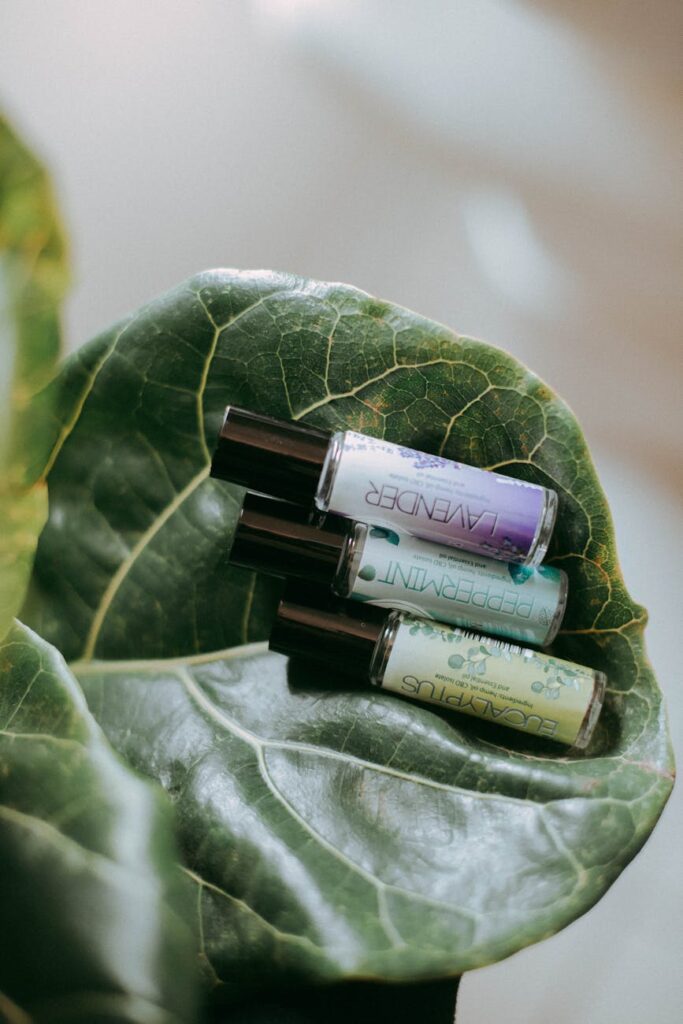
Mood-enhancing blends are combinations of essential oils specifically selected for their potential to influence emotional well-being. These blends often incorporate oils with uplifting, calming, or balancing properties. The synergy created by combining various essential oils can amplify their effects, making them a popular choice in both personal care and wellness practices.
The formulation of these blends can vary widely, influenced by individual preferences, specific emotional states being addressed, or cultural traditions. Common essential oils found in mood-enhancing blends include lavender, bergamot, ylang-ylang, and citrus oils, each bringing its unique characteristics to the mix.
Key Benefits and Properties
The primary benefits of mood-enhancing blends lie in their potential to influence emotional states. Some of the key properties of the essential oils commonly used in these blends include:
- Calming and Relaxing: Oils such as lavender and chamomile are renowned for their calming effects, helping to reduce anxiety and promote relaxation.
- Uplifting and Energizing: Citrus oils like grapefruit and orange are often included for their invigorating properties, which can help enhance mood and promote feelings of happiness.
- Balancing and Grounding: Oils such as frankincense and sandalwood may help create a sense of balance and grounding, making them suitable for emotional stability.
- Diffusion: Using an essential oil diffuser to disperse the blend into the air can create an uplifting or calming atmosphere, making it ideal for homes, offices, or wellness studios.
- Topical Application: When diluted with a carrier oil, mood-enhancing blends can be applied to pulse points, such as wrists or temples, for localized effects.
- Baths: Adding a few drops of the blend to a warm bath can create a serene environment conducive to relaxation and stress relief.
- Inhalation: Direct inhalation from the bottle or a cotton pad can provide immediate emotional support during stressful moments.
- Massage: Incorporating mood-enhancing blends into massage oils can enhance the therapeutic benefits of touch, promoting relaxation and emotional balance.
- Dilution: Essential oils should be diluted with a carrier oil before topical application to prevent skin irritation. A common dilution ratio is 2-3 drops of essential oil per teaspoon of carrier oil.
- Allergies and Sensitivities: Individuals should conduct a patch test before using a new blend to check for allergic reactions. It is advisable to consult a healthcare provider if there are concerns about specific allergies.
- Pregnancy and Nursing: Some essential oils are not recommended for use during pregnancy or breastfeeding. It is essential to research and consult with a professional regarding safe options.
- Children and Pets: Caution should be exercised when using essential oils around children and pets, as some oils can be toxic to animals or irritating to young skin.
- Cool, Dark Place: Keep oils away from direct sunlight and in a cool environment to extend their shelf life.
- Seal Tightly: Ensure that bottles are tightly sealed to prevent oxidation and evaporation.
Additionally, many essential oils possess anti-inflammatory and antioxidant properties, contributing to overall well-being, which may indirectly influence mood.
Common Uses
Mood-enhancing blends can be utilized in various contexts, including:
Aromatherapy Applications
The application of mood-enhancing blends in aromatherapy is both an art and a science. Practitioners often consider the individual’s emotional state, personal preferences, and even seasonal changes when formulating blends.
Individualized Blends
Many aromatherapists create personalized blends tailored to the unique needs of clients. This customization can include the selection of oils based on the emotional challenges faced, ensuring that the blend resonates with the individual’s experiences.
Seasonal Sensitivity
Certain blends may be more effective during specific seasons. For example, citrus oils may be particularly uplifting in the winter months, combating seasonal affective disorder (SAD), while floral oils may be more appealing in spring and summer, associated with growth and renewal.
Rituals and Mindfulness
Incorporating mood-enhancing blends into daily rituals can enhance mindfulness and emotional awareness. Whether through morning routines, meditation, or evening wind-down practices, the intentional use of these blends can promote a deeper connection to one’s emotional state.
Safety Considerations
While essential oils are generally considered safe when used correctly, there are important safety considerations to keep in mind when using mood-enhancing blends:
Storage and Shelf Life
Proper storage of mood-enhancing blends is crucial for maintaining their efficacy. Essential oils should be stored in dark glass bottles to protect them from light, which can degrade their quality.
Storage Guidelines:
Shelf Life
The shelf life of essential oils can vary, typically ranging from 1 to 5 years, depending on the specific oil. Citrus oils tend to have shorter shelf lives, while oils like sandalwood and patchouli can last longer if stored correctly. Always check for changes in aroma or appearance, as these can indicate that an oil has gone bad.
Frequently Asked Questions
1. How can I create my own mood-enhancing blend?
To create your own blend, start by selecting essential oils that resonate with your emotional needs. Use a base of 2-3 oils, focusing on a balance of uplifting, calming, and grounding properties. Experiment with different ratios until you find a blend that feels right for you.
2. Can mood-enhancing blends be used in candles?
Yes, mood-enhancing blends can be added to candles, provided they are designed for use with essential oils. However, it is essential to follow specific guidelines to ensure proper burning and safety.
3. How often should I use mood-enhancing blends?
The frequency of use depends on personal preference and individual needs. Many people incorporate them into their daily routines, using them as needed for emotional support.
4. Are there any essential oils to avoid when making mood-enhancing blends?
Certain oils may have strong effects or be contraindicated for specific populations, such as pregnant women or young children. It’s advisable to research each oil’s properties and potential interactions before use.
5. Can mood-enhancing blends replace traditional therapies?
Mood-enhancing blends are not a substitute for professional mental health treatment. They can complement other therapeutic practices but should not be relied upon as a primary means of emotional support.
Conclusion
The history and origins of mood-enhancing blends reveal a deep connection between scent, emotion, and well-being. With roots in ancient practices, these blends have evolved to become an essential part of modern aromatherapy. Understanding the properties, applications, and safety considerations surrounding these blends empowers individuals to explore the potential benefits of essential oils in their emotional lives. Whether used for relaxation, upliftment, or emotional balance, mood-enhancing blends offer a captivating avenue for enhancing well-being through the power of nature’s aromatic gifts.