
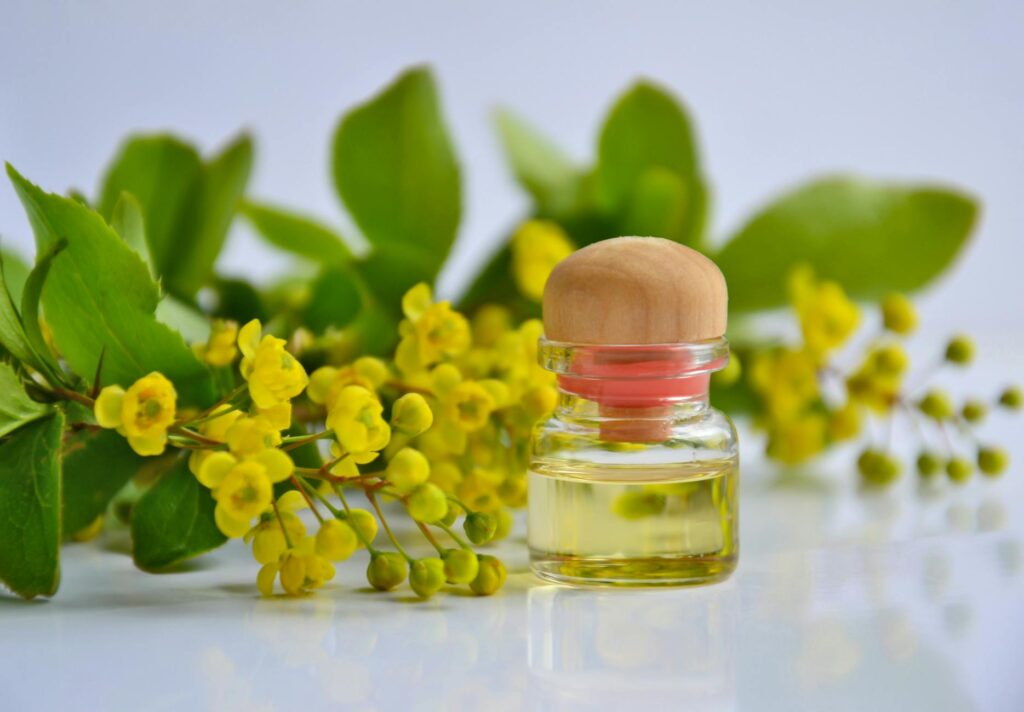
History and Origins of Moringa Extract
Introduction
Moringa, often referred to as the “miracle tree,” has garnered significant attention for its diverse applications and numerous health benefits. This article explores the rich history and origins of moringa extract, shedding light on its botanical characteristics, key benefits, common uses, and its role in aromatherapy.
What Is Moringa Extract?
Moringa extract is derived from the leaves, seeds, and pods of the Moringa oleifera tree, native to parts of Africa, India, and Southeast Asia. The tree belongs to the Moringaceae family and is known for its rapid growth and resilience to harsh environmental conditions. Moringa leaves are particularly rich in vitamins, minerals, and antioxidants, making them a popular choice in dietary supplements and natural remedies.
The extraction process typically involves drying and grinding the leaves or pressing the seeds to obtain an oil. The resulting extract retains the bioactive compounds that contribute to its nutritional and therapeutic properties.
Key Benefits and Properties
Moringa extract is celebrated for its rich nutrient profile, including:
- Vitamins and Minerals: Moringa is a potent source of vitamins A, C, and E, along with essential minerals such as calcium, potassium, and iron. These nutrients play a vital role in overall health and wellness.
- Antioxidants: The extract contains powerful antioxidants like quercetin, chlorogenic acid, and beta-carotene, which help neutralize free radicals and reduce oxidative stress in the body.
- Anti-inflammatory Properties: Compounds found in moringa, such as isothiocyanates, exhibit anti-inflammatory effects, which may aid in reducing inflammation in tissues.
- Protein Content: Moringa leaves are a rich source of protein, containing all nine essential amino acids, making it an excellent supplement for those following plant-based diets.
- Nutritional Supplement: Moringa powder is commonly added to smoothies, juices, and other foods to boost nutritional content.
- Cosmetics: Moringa oil is used in skincare products due to its moisturizing properties and ability to promote healthy skin.
- Culinary Uses: The leaves and pods can be cooked or consumed fresh in salads and soups, offering a nutritious addition to meals.
- Traditional Medicine: Various cultures have long used moringa for its potential therapeutic properties, employing it to support digestion, enhance energy levels, and improve overall health.
- Allergic Reactions: Individuals with allergies to plants in the Moringaceae family should exercise caution.
- Pregnancy and Breastfeeding: There is limited research on the effects of moringa during pregnancy and lactation. It is advisable for pregnant or breastfeeding women to consult a healthcare professional before using moringa extract.
- Medication Interactions: Moringa extract may interact with certain medications, particularly those affecting blood sugar levels and blood pressure. Consultation with a healthcare provider is recommended for individuals on medication.
- Storage Conditions: Moringa powder should be stored in a cool, dark place, ideally in an airtight container to prevent exposure to moisture and light. Moringa oil should also be kept in a cool location, away from direct sunlight.
- Shelf Life: When stored properly, moringa powder typically lasts up to two years, while moringa oil can last approximately one year. It is advisable to check for any signs of spoilage, such as off odors or changes in color, before use.
These properties contribute to the extract’s reputation as a superfood, providing potential benefits for various aspects of health.
Common Uses
Moringa extract is utilized in a variety of ways, including:
Aromatherapy Applications
In the field of aromatherapy, moringa oil is gaining traction for its unique properties. The oil, derived from the seeds of the moringa tree, possesses a light texture and a subtle, nutty aroma, making it suitable for various applications in aromatherapy.
Diffusion
Moringa oil can be diffused in a room to create a calming environment. Its gentle scent can promote relaxation and improve mood, often making it a favorable addition to blends aimed at stress relief.
Massage Oil
Due to its moisturizing properties, moringa oil is frequently incorporated into massage oils. When blended with essential oils, such as lavender or eucalyptus, it can enhance the overall experience, providing both relaxation and nourishment to the skin.
Skin Care
Moringa oil is often used in topical applications. Its ability to hydrate and nourish the skin makes it an excellent carrier oil for essential oils in skincare formulations. It is believed to help with skin rejuvenation and may support a healthy complexion.
Safety Considerations
While moringa extract is generally considered safe for consumption and topical use, some precautions should be noted:
Storage and Shelf Life
To maintain the quality of moringa extract, proper storage is essential:
Frequently Asked Questions
1. What is the origin of the moringa tree?
Moringa oleifera is native to the foothills of the Himalayas in India but is now cultivated in many tropical and subtropical regions worldwide, including Africa and Southeast Asia.
2. Can moringa extract be used in cooking?
Yes, moringa leaves and pods can be cooked and consumed in various dishes, enhancing the nutritional content of meals.
3. Are there any side effects associated with moringa extract?
Moringa is generally safe when consumed in moderate amounts. However, excessive intake may lead to gastrointestinal disturbances in some individuals.
4. How can I incorporate moringa extract into my diet?
Moringa powder can be added to smoothies, soups, or baked goods, while the oil can be used in salad dressings or as a finishing oil for dishes.
5. Is moringa suitable for everyone?
While moringa is safe for most people, individuals with specific allergies or health conditions should consult a healthcare provider before use.
Conclusion
Moringa extract, with its deep-rooted history and remarkable properties, serves as a valuable addition to both dietary and aromatherapy practices. Recognized for its nutritional benefits and versatility, moringa continues to capture the interest of individuals seeking natural solutions for health and wellness. As research continues to unveil its potential, the legacy of the “miracle tree” is poised to endure, enriching lives across the globe.