
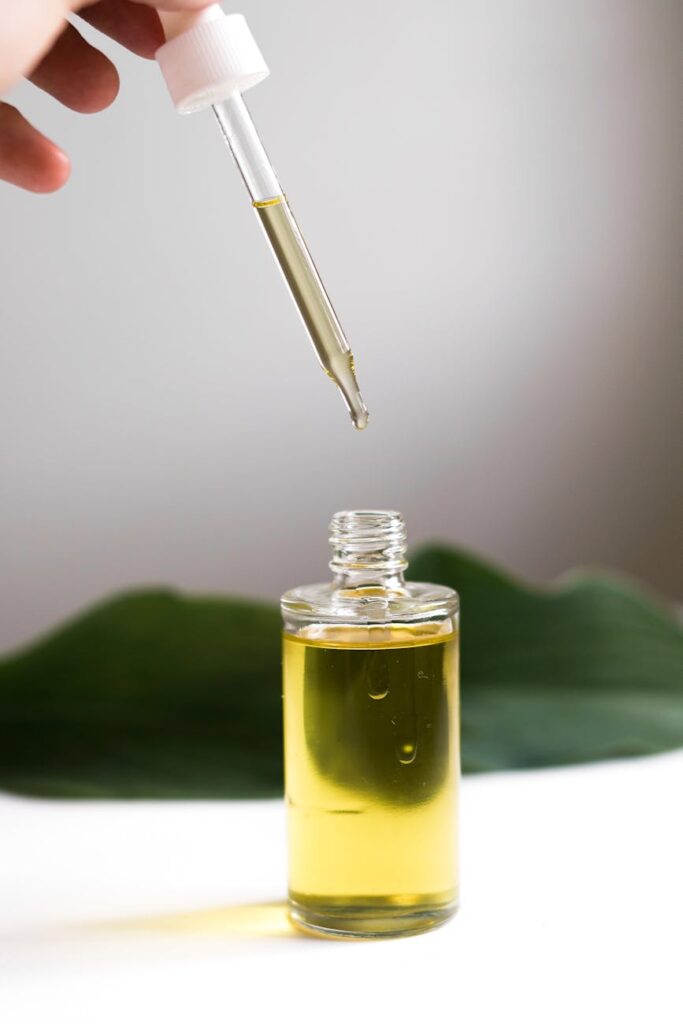
History and Origins of Moringa Leaf Extract
Introduction
Moringa, often referred to as the “drumstick tree” or “miracle tree,” has captured the interest of health enthusiasts and researchers alike due to its remarkable nutritional profile and myriad health benefits. The extract derived from its leaves, known as moringa leaf extract, has a storied history that spans various cultures and continents. This article delves into the origins of moringa leaf extract, its properties, and its applications, while also considering safety and storage aspects.
What Is Moringa Leaf Extract?
Moringa leaf extract is derived from the leaves of the Moringa oleifera tree, a fast-growing, drought-resistant plant native to the Indian subcontinent but now cultivated globally in tropical and subtropical regions. The leaves are rich in vitamins, minerals, and antioxidants, making the extract a popular supplement for those seeking to enhance their diet. Moringa leaves are typically harvested, dried, and ground into a fine powder or processed into liquid extract using various methods, including water or alcohol extraction.
Key Benefits and Properties
Moringa leaf extract is celebrated for its impressive nutritional profile. Here are some of its key benefits and properties:
1. Rich in Nutrients: Moringa leaves contain high concentrations of essential vitamins and minerals, including Vitamin A, Vitamin C, calcium, potassium, and iron. This nutrient density makes it a valuable addition to various dietary regimens.
2. Antioxidant Properties: The extract boasts a wealth of antioxidants, including quercetin, chlorogenic acid, and beta-carotene. These compounds play a vital role in neutralizing free radicals, which can contribute to cellular damage and chronic diseases.
3. Anti-Inflammatory Effects: Moringa has been shown to possess anti-inflammatory properties, which may help mitigate the effects of inflammation in the body. This is attributed to the presence of compounds such as isothiocyanates.
4. Support for Metabolic Health: Some studies suggest that moringa may help regulate blood sugar levels and cholesterol, contributing to overall metabolic health.
5. Immune System Support: The high levels of Vitamin C and other nutrients in moringa may support the immune system, promoting overall health and wellness.
Common Uses
Moringa leaf extract has a variety of applications, both culinary and supplementary:
1. Culinary Uses: Moringa leaves can be used fresh or dried in soups, salads, and smoothies. The powdered form is often added to shakes, energy bars, and health foods for an extra nutritional boost.
2. Dietary Supplements: Moringa leaf extract is available in various forms, including capsules, tablets, and powders, making it easy to incorporate into daily routines.
3. Beauty Products: Due to its antioxidant and anti-inflammatory properties, moringa is increasingly used in skincare products, such as creams and serums, aimed at promoting healthy skin.
4. Animal Feed: Moringa leaves are also used in livestock feed, providing a nutritional supplement for a variety of animals.
Aromatherapy Applications
While moringa leaf extract is primarily recognized for its nutritional benefits, it is also finding its way into the realm of aromatherapy. Although the leaves themselves do not possess a strong aroma, essential oils derived from other parts of the moringa tree have been explored for their potential therapeutic effects.
1. Essential Oil Extraction: Moringa oil, extracted from the seeds of the moringa tree, is often utilized in aromatherapy. It has a light texture and is rich in oleic acid, making it beneficial for skin application and massage.
2. Blending with Other Oils: Moringa oil can be blended with various essential oils to enhance its fragrance and therapeutic properties. It is often combined with oils like lavender, eucalyptus, and tea tree to create soothing blends for relaxation and wellness.
3. Massage and Skin Care: The lightweight nature of moringa oil makes it an excellent carrier oil for essential oils. Its hydrating properties can be beneficial in reducing skin irritation and promoting a healthy complexion.
Safety Considerations
While moringa leaf extract is generally considered safe for consumption, some precautions should be observed:
1. Consultation with Healthcare Professionals: Individuals considering moringa supplements should consult with a healthcare professional, especially if they are pregnant, nursing, or have pre-existing health conditions.
2. Possible Side Effects: Though rare, some individuals may experience mild side effects such as digestive discomfort or allergic reactions. It is advisable to start with small doses to monitor individual tolerance.
3. Interactions with Medications: Moringa may interact with certain medications, particularly those related to blood sugar and blood pressure. Awareness of potential interactions is critical for those on medication.
Storage and Shelf Life
Proper storage of moringa leaf extract is essential to maintain its potency and freshness:
1. Storage Conditions: Moringa leaf extract should be stored in a cool, dry place away from direct sunlight. Airtight containers are recommended to prevent moisture and oxidation.
2. Shelf Life: The shelf life of dried moringa powder is typically around 1-2 years when stored properly. Liquid extracts may have a shorter shelf life due to the absence of preservatives.
Frequently Asked Questions
1. Can I take moringa leaf extract every day?
Yes, many people choose to incorporate moringa leaf extract daily, but it is advisable to follow recommended dosages and consult with a healthcare professional.
2. What does moringa leaf extract taste like?
Moringa leaf extract has a mild, earthy flavor that can be slightly bitter. Its taste can be masked in smoothies or mixed with other flavors in culinary applications.
3. Is moringa leaf extract suitable for children?
While moringa leaf extract is generally considered safe, it is advisable to consult with a pediatrician before introducing it to a child’s diet.
4. How can I incorporate moringa leaf extract into my diet?
Moringa leaf extract can be added to smoothies, juices, soups, or sprinkled onto salads. It is also available in capsule form for those who prefer a supplement.
5. Is there any research supporting the benefits of moringa?
Numerous studies have highlighted the nutritional benefits and potential health properties of moringa. However, further research is needed to fully understand its effects and applications.
Conclusion
The history and origins of moringa leaf extract reflect a rich tapestry of cultural significance and nutritional value. From its ancient use in traditional medicine to its modern applications in nutrition and beauty, moringa continues to gain recognition worldwide. As interest in natural health solutions grows, moringa leaf extract stands out as a versatile and beneficial addition to various lifestyles. Whether used in culinary practices, as a dietary supplement, or in aromatherapy, moringa offers a glimpse into the potential of nature’s bounty.