
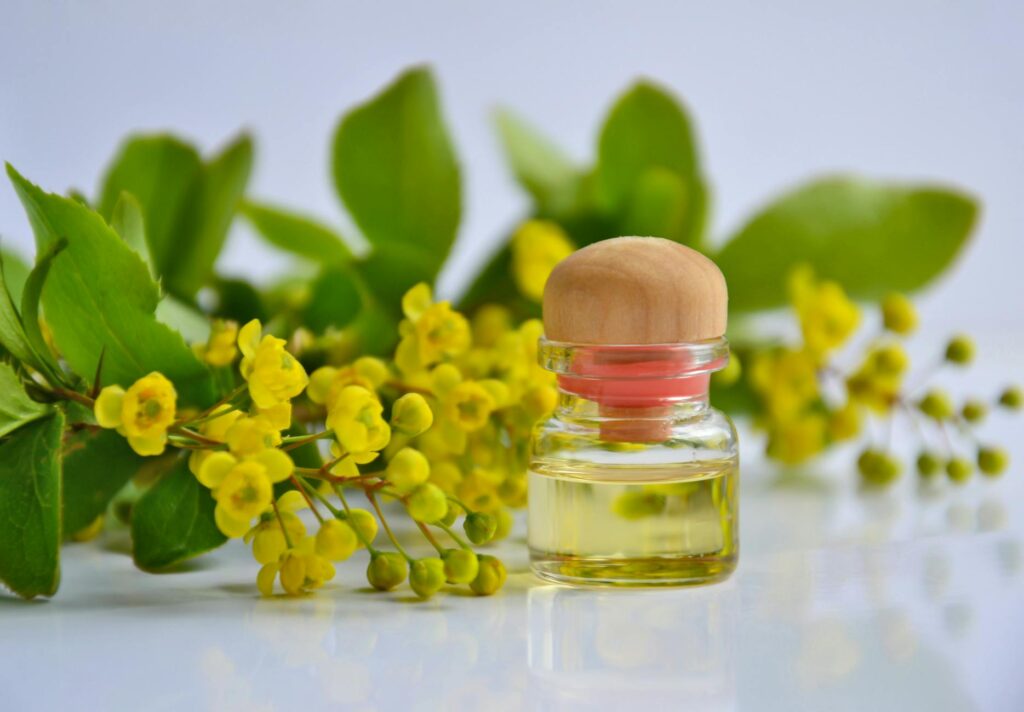
History and Origins of Mugwort Extract
Introduction
Mugwort, scientifically known as Artemisia vulgaris, is a perennial herb that belongs to the Asteraceae family. With a rich history spanning centuries and cultures, this versatile plant has garnered attention for its various uses, particularly in herbal medicine, culinary applications, and aromatherapy. Mugwort extract, derived from the leaves and flowering tops of the plant, has been utilized for its aromatic and therapeutic properties. This article delves into the history and origins of mugwort extract, exploring its benefits, common uses, and applications in aromatherapy, while also addressing safety considerations and storage practices.
What Is Mugwort Extract?
Mugwort extract is obtained through various methods, including steam distillation, solvent extraction, or cold pressing, which concentrate the plant’s essential oils and bioactive compounds. The extract possesses a distinctive aroma characterized by earthy, herbal, and slightly bitter notes. Its complex chemical profile includes constituents such as thujone, camphor, and various flavonoids, contributing to its unique fragrance and potential benefits.
Historically, mugwort has been used in traditional practices across different cultures. Known by various names—such as “common mugwort,” “black sage,” and “dream herb”—it has been a staple in herbal medicine and folklore for generations.
Key Benefits and Properties
Mugwort extract is often celebrated for its diverse range of properties. Some of the key benefits attributed to mugwort include:
- Digestive Support: Traditionally, mugwort has been used to support digestive health, as it is believed to stimulate appetite and alleviate mild gastrointestinal discomfort.
- Relaxation and Sleep: The plant is often associated with promoting relaxation and improving sleep quality. Mugwort has been used in herbal teas and pillows to enhance dream recall and induce vivid dreams.
- Antioxidant Properties: Mugwort contains antioxidants that may help combat oxidative stress in the body, contributing to overall health and well-being.
- Herbal Teas: Infusions made from dried mugwort leaves are consumed for their potential digestive and calming effects.
- Essential Oil: The concentrated essential oil is often used in aromatherapy and natural perfumery, valued for its unique fragrance.
- Culinary Applications: In some cultures, mugwort is used as a culinary herb to flavor dishes, particularly in traditional recipes in East Asia and Europe.
- Traditional Medicine: Mugwort has been a key ingredient in various herbal remedies, particularly in Traditional Chinese Medicine (TCM) and German folk medicine.
- Diffusion: When diffused, mugwort essential oil can create a calming atmosphere, making it beneficial for meditation, relaxation, or sleep.
- Topical Blends: Mugwort oil can be diluted with carrier oils and used in massage blends to promote relaxation and alleviate tension.
- Dream Work: Many practitioners believe that mugwort enhances dream recall and lucidity, making it a popular choice for those interested in dream exploration.
- Allergic Reactions: Some individuals may experience allergic reactions to mugwort, particularly those with allergies to plants in the Asteraceae family.
- Pregnancy and Breastfeeding: Due to its potential effects on the uterus, mugwort is often advised against during pregnancy. Individuals who are breastfeeding should consult a healthcare professional before use.
- Medication Interactions: Mugwort may interact with certain medications, such as blood thinners or sedatives. Consulting a healthcare provider is recommended for those taking prescription medications.
- Storage Conditions: Store mugwort extract in a cool, dark place, away from direct sunlight and heat sources. Using amber or cobalt glass containers can help protect the extract from light degradation.
- Sealing: Ensure the container is tightly sealed to prevent oxidation and contamination.
- Shelf Life: Depending on the extraction method and storage conditions, mugwort extract typically has a shelf life of 1 to 3 years. Always check for any off-smells, changes in color, or sediment before use.
While these benefits have been observed in traditional settings, modern research is still exploring the full spectrum of mugwort’s potential effects.
Common Uses
Mugwort extract is employed in various forms and applications, including:
Aromatherapy Applications
In the realm of aromatherapy, mugwort extract is utilized for its distinctive scent and potential emotional benefits. Some common applications include:
The herb’s unique aroma can also be combined with other essential oils, such as lavender or chamomile, to create synergistic blends that amplify relaxation and tranquility.
Safety Considerations
While mugwort extract is generally regarded as safe when used appropriately, there are some safety considerations to keep in mind:
As with any herbal product, it is essential to use mugwort extract responsibly and to consult relevant guidelines or professionals if unsure about its use.
Storage and Shelf Life
Proper storage of mugwort extract is crucial to maintain its quality and extend its shelf life. Here are some guidelines:
Frequently Asked Questions
What does mugwort smell like?
Mugwort has a distinctive, earthy aroma with herbal and slightly bitter undertones. It is often described as warm and inviting, making it a popular choice in aromatherapy.
Can mugwort extract be used in cooking?
Yes, mugwort can be used as a culinary herb in various dishes, particularly in traditional recipes from East Asia and Europe. However, it should be used sparingly due to its strong flavor.
Is mugwort safe for children?
While mugwort is generally safe for adults, caution is advised when considering its use for children. Consultation with a healthcare professional is recommended before using mugwort in any form for children.
How can I incorporate mugwort into my self-care routine?
Mugwort can be incorporated into your self-care routine through aromatic diffusion, herbal teas, or topical blends. It can also be used in meditation practices to enhance relaxation and dream exploration.
Are there any contraindications for using mugwort extract?
Individuals with allergies to plants in the Asteraceae family, pregnant or breastfeeding women, and those on certain medications should exercise caution and consult a healthcare provider before using mugwort extract.
Conclusion
Mugwort extract, with its rich history and diverse applications, continues to be a valuable addition to the realms of herbal medicine and aromatherapy. Its unique properties and benefits have made it a cherished herb across cultures and generations. Whether used for relaxation, digestive support, or culinary purposes, mugwort remains a fascinating plant with much to offer. As interest in herbal remedies and natural wellness grows, the potential of mugwort extract is likely to be explored further, illuminating its significance in both historical and contemporary contexts.