
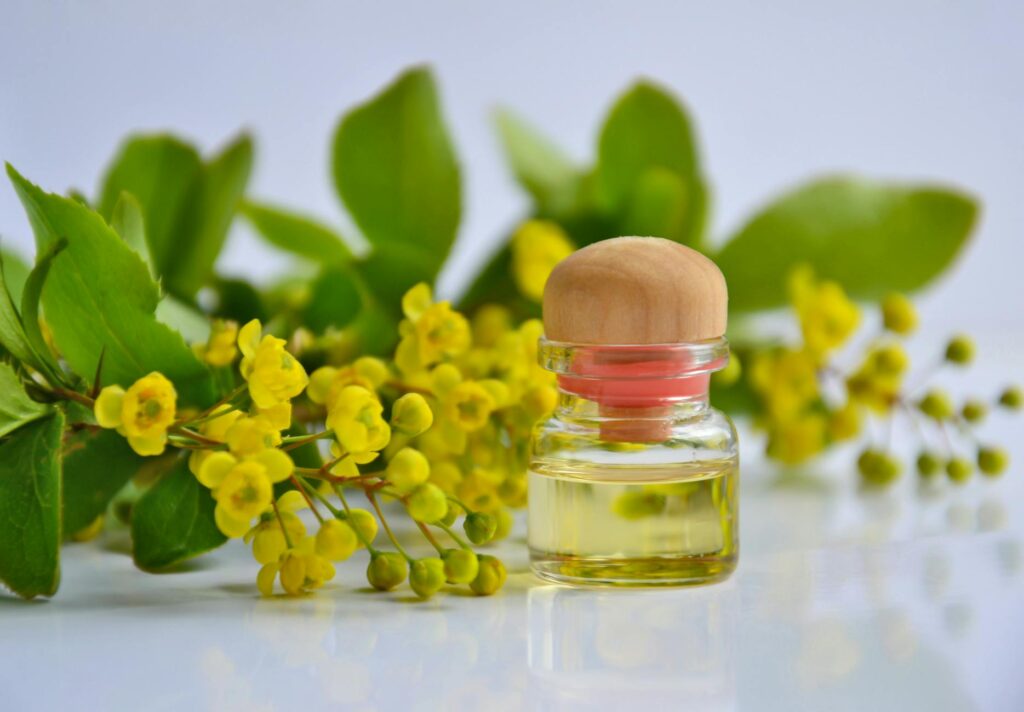
History and Origins of Mullein Extract
Introduction
Mullein, scientifically known as Verbascum thapsus, is a biennial plant native to Europe, Asia, and parts of Africa. Its tall flowering spikes, which can grow up to six feet high, are a familiar sight in meadows, roadsides, and disturbed areas. Revered for its striking yellow flowers and soft, velvety leaves, mullein has a long history of use in traditional medicine and herbal remedies. This article explores the history and origins of mullein extract, detailing its characteristics, benefits, common uses, and applications in aromatherapy.
What Is Mullein Extract?
Mullein extract is derived from the leaves and flowers of the mullein plant. The extraction process typically involves steeping the plant materials in a solvent, such as alcohol or oil, to capture the plant’s active compounds. These extracts can be found in various forms, including tinctures, oils, and capsules. Mullein extract is often celebrated for its rich phytochemical profile, including flavonoids, saponins, and mucilage, which contribute to its various uses.
Key Benefits and Properties
Mullein has a diverse range of bioactive compounds, which lend it a variety of potential benefits. Some of the key properties attributed to mullein extract include:
1. Anti-inflammatory Properties: Mullein has been traditionally recognized for its potential to reduce inflammation. This property makes it a popular choice among herbalists for soothing irritated tissues.
2. Antioxidant Effects: The flavonoids present in mullein contribute to its antioxidant activity, helping to combat oxidative stress in the body.
3. Expectorant Qualities: Mullein has a long-standing reputation in folk medicine as an expectorant. It is believed to help clear mucus from the respiratory system.
4. Demulcent Properties: The mucilage in mullein forms a soothing film over mucous membranes, which can provide relief for sore throats and respiratory discomfort.
5. Antimicrobial Activity: Some studies suggest that mullein may possess antimicrobial properties, making it potentially useful in fighting certain pathogens.
Common Uses
Historically, mullein has been used in various cultures for numerous health-related purposes. Its common uses include:
- Respiratory Support: Mullein has been employed in herbal traditions to support respiratory health, particularly for conditions involving coughs and bronchial irritation.
- Topical Applications: The oil extracted from mullein flowers is often used in topical formulations for its soothing properties on the skin, particularly for minor irritations and conditions.
- Herbal Tea: Dried mullein leaves and flowers are commonly brewed into a tea that is enjoyed for its mild flavor and potential soothing effects.
- Infused Oils: Mullein oil, made by infusing the flowers in a carrier oil, is used for earaches and other topical applications.
- Allergic Reactions: Some individuals may be allergic to mullein or related plants. A patch test is recommended before applying mullein oil topically.
- Pregnancy and Nursing: There is limited research on the safety of mullein during pregnancy and lactation. Consulting a healthcare provider is advisable for those who are pregnant or nursing.
- Interactions with Medications: While not extensively documented, it is always wise to consult with a healthcare professional before using mullein extract alongside prescribed medications.
- Cool, Dark Place: Store mullein extract in a cool, dark place away from direct sunlight. Heat and light can degrade the active compounds, diminishing the extract’s effectiveness.
- Sealed Containers: Use airtight containers to prevent oxidation. Glass bottles with dark or amber coloring are ideal for protecting the extract from light.
- Check Expiration Dates: Always check for expiration dates on commercially prepared extracts. Homemade extracts should be labeled with the date of preparation and consumed within a year for optimal freshness.
Aromatherapy Applications
In the realm of aromatherapy, mullein extract is not as widely utilized as some other essential oils, but it does have its place. The plant’s calming properties can contribute to a serene atmosphere when incorporated into aromatherapy practices.
Mullein Oil
Mullein oil, although not an essential oil in the traditional sense, can be used in diffusers or mixed with other essential oils for enhanced effects. Its soothing scent may complement blends aimed at relaxation, respiratory support, or stress relief.
Blending with Other Oils
Mullein extract can be combined with essential oils such as eucalyptus, lavender, or tea tree to create synergistic blends that aim to promote well-being. These combinations can be particularly effective in massage oils or bath preparations, where the soothing properties of mullein can enhance the overall experience.
Safety Considerations
While mullein is generally regarded as safe for most individuals when used appropriately, there are a few safety considerations to keep in mind:
Storage and Shelf Life
Proper storage of mullein extract is crucial for maintaining its potency and quality. Here are some guidelines to follow:
Frequently Asked Questions
1. How is mullein extract made?
Mullein extract is typically made by infusing the leaves and flowers of the mullein plant in a solvent, such as oil or alcohol, to extract its active compounds.
2. Can I use mullein extract for respiratory issues?
Mullein extract has a historical reputation for supporting respiratory health, but it is important to consult with a healthcare professional for specific health concerns.
3. Is mullein safe for children?
While mullein is generally considered safe, it is recommended to consult a pediatrician before giving herbal extracts to children, as individual responses may vary.
4. How do I use mullein oil?
Mullein oil can be used topically on the skin or added to diffusers or bath products. Always conduct a patch test prior to widespread use to check for any adverse reactions.
5. Where can I find high-quality mullein extract?
Mullein extract can be found in health food stores, herbal shops, and online. Look for reputable brands and check for third-party testing to ensure quality.
Conclusion
The history and origins of mullein extract are deeply rooted in traditional herbal practices across cultures. With its rich array of properties and diverse applications, mullein continues to hold a place in modern herbalism and aromatherapy. As interest in natural remedies grows, understanding the benefits and safe use of mullein extract can help individuals integrate this botanical into their wellness routines. Always seek guidance from qualified professionals when exploring herbal remedies, ensuring a safe and informed approach to wellness.