
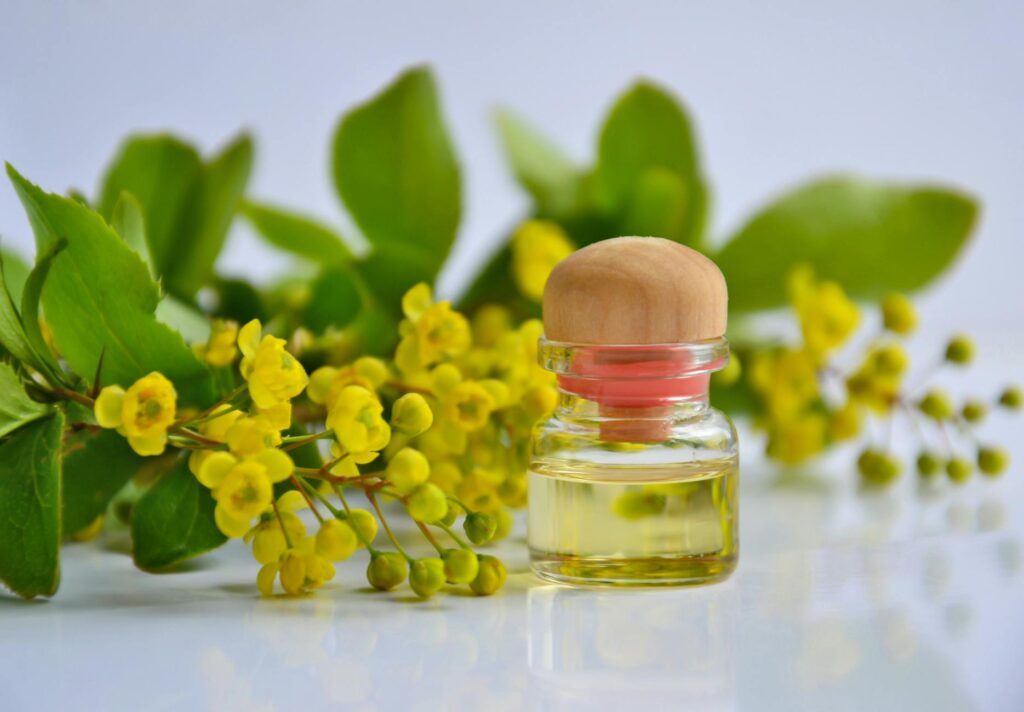
History and Origins of Musk Extracts
Introduction
Musk extracts have a storied history that intertwines with human culture, commerce, and medicinal practices. Once a highly sought-after substance, musk has been revered for its unique scent and purported properties. The journey of musk spans centuries and continents, evolving from ancient practices to modern applications in perfumery, aromatherapy, and beyond. This article explores the origins, benefits, and uses of musk extracts, providing a comprehensive overview of this fascinating topic.
What Are Musk Extracts?
Musk extracts are aromatic compounds originally derived from the glandular secretions of certain animals, notably the male musk deer. The term “musk” has also come to encompass synthetic substitutes, which replicate the aroma without the ethical and ecological concerns associated with animal sourcing.
Historically, genuine musk was harvested from the musk deer, primarily found in Asia. The musk gland, located near the animal’s abdomen, produces a substance that has a strong, earthy aroma. Its allure has led to the creation of various synthetic musk compounds, which are now prevalent in the fragrance industry due to their sustainability and ethical considerations.
Key Benefits and Properties
Musk has long been attributed with a variety of characteristics, both aromatic and therapeutic. Some of the key benefits and properties associated with musk extracts include:
- Aromatic Qualities: Musk has a distinctive scent that is often described as warm, sensual, and earthy. It serves as a base note in many perfumes, contributing depth and longevity to the fragrance.
- Mood Enhancement: Historically, musk has been considered an aphrodisiac and is believed to promote feelings of relaxation and well-being.
- Antimicrobial Properties: Some studies suggest that musk extracts may possess antimicrobial properties, making them useful in certain formulations, although more research is needed in this area.
- Skin Benefits: Musk has been used in traditional medicine for its potential skin benefits, including soothing irritation and promoting a healthy complexion.
- Perfumes and Fragrances: Musk is a staple ingredient in many perfumes, often used to enhance the depth and complexity of the scent.
- Cosmetics: Musk is frequently incorporated into skincare products for its aesthetic appeal and potential skin benefits.
- Incense and Rituals: In many cultures, musk is used in incense and other rituals for its aromatic and spiritual properties.
- Traditional Medicine: In some traditional practices, musk has been utilized for its supposed health benefits, though these claims require further scientific validation.
- Diffusion: Musk can be diffused in the air to create a soothing atmosphere, especially in environments meant for meditation or relaxation.
- Massage Oils: When combined with carrier oils, musk can be used in massage therapy to enhance relaxation and provide a sensory experience.
- Bath Products: Musk-infused bath oils and salts can contribute to a luxurious bathing experience, promoting relaxation and tranquility.
- Mood Enhancement: Musk is often blended with other essential oils to create synergistic effects, enhancing emotional well-being and providing a sense of comfort.
- Allergies and Sensitivities: Some individuals may be allergic or sensitive to musk, whether natural or synthetic. Conducting a patch test before using musk-containing products is advisable.
- Quality of Products: The quality of musk extracts can vary significantly. It is important to source products from reputable suppliers to ensure purity and safety.
- Pregnancy and Nursing: Pregnant or nursing individuals should consult with a healthcare professional before using products containing musk.
- Dilution: When using concentrated musk oils, it is essential to dilute them with carrier oils or other bases to avoid skin irritation.
- Cool and Dark Environment: Musk extracts should be stored in a cool, dark place to prevent degradation from heat and light.
- Sealed Containers: Keep musk extracts in tightly sealed containers to minimize exposure to air and moisture, which can alter their properties.
- Shelf Life: The shelf life of musk extracts varies depending on whether they are natural or synthetic. Typically, synthetic musks have a longer shelf life than natural ones. Always check for expiration dates and signs of degradation before use.
Common Uses
Musk extracts have a wide range of applications, making them versatile in various fields:
Aromatherapy Applications
In the realm of aromatherapy, musk extracts are valued for their calming and grounding properties. They are often included in blends aimed at promoting relaxation and emotional balance. Here are some common applications of musk in aromatherapy:
Safety Considerations
While musk extracts, particularly synthetic versions, are generally considered safe for use, it is essential to keep the following safety considerations in mind:
Storage and Shelf Life
Proper storage of musk extracts is crucial to maintain their integrity and aromatic qualities. Here are some tips for storage:
Frequently Asked Questions
1. Is natural musk ethical to use?
Natural musk, derived from musk deer, raises significant ethical and conservation concerns. Many countries have banned the harvesting of natural musk due to the declining populations of musk deer. As a result, synthetic musks are often preferred for ethical and sustainability reasons.
2. How can I identify high-quality musk extracts?
High-quality musk extracts should have a clear, well-defined scent and be sourced from reputable suppliers. It is advisable to look for products that specify whether they are natural or synthetic. Additionally, customer reviews and third-party testing can provide insight into the quality of the product.
3. Can musk extracts be used in food?
Musk is not commonly used in food applications due to its potent aroma and potential safety concerns. It is primarily reserved for perfumery and cosmetic uses.
4. Are there any side effects associated with musk extracts?
While musk is generally considered safe for topical use when properly diluted, some individuals may experience allergic reactions or sensitivities. It is recommended to conduct a patch test before applying musk extracts to larger areas of the skin.
5. Can musk extracts be used in combination with other essential oils?
Yes, musk extracts can be blended with other essential oils to create unique aromatic profiles. They are particularly effective as a base note in fragrance formulations, enhancing the overall scent experience.
Conclusion
Musk extracts hold a unique place in the world of fragrance and aromatherapy, with a rich history that spans cultures and centuries. While traditional sources of musk raise ethical concerns, modern synthetic alternatives provide an accessible way to enjoy the benefits of musk without compromising animal welfare. From their use in perfumes to their applications in aromatherapy, musk extracts continue to captivate and inspire, offering a sensory experience that has stood the test of time.