
History and Origins of Myrrh Oil Safety
Introduction
Myrrh oil, derived from the resin of the Commiphora myrrha tree, has been revered for centuries for its aromatic and therapeutic properties. The use of myrrh dates back thousands of years, with historical references across various cultures. This article will explore the rich history of myrrh oil, its safety considerations, and the importance of understanding its properties and uses in aromatherapy.
What Is Myrrh Oil Safety?
Myrrh oil safety refers to the practices and guidelines that ensure the safe use of myrrh essential oil, minimizing potential side effects or adverse reactions. While myrrh oil boasts numerous benefits, it is essential to approach its application with caution, especially for individuals with specific health conditions or sensitivities. Understanding the historical context of myrrh oil can shed light on its safety and efficacy.
Key Benefits and Properties
Historically, myrrh was utilized not just for its fragrance but also for its therapeutic properties. Some of the notable benefits of myrrh oil include:
- Antimicrobial Properties: Myrrh oil has been recognized for its ability to inhibit the growth of certain bacteria and fungi, making it a popular choice in traditional healing practices.
- Anti-inflammatory Effects: The oil is often cited for its potential to reduce inflammation, which has led to its use in various topical applications.
- Astringent Qualities: Myrrh oil is known to tighten tissues and may be beneficial in skincare formulations, particularly for oily or acne-prone skin.
- Emotional Well-being: Many users report that myrrh oil promotes relaxation and emotional balance, making it a favored choice in aromatherapy.
- Skincare: Due to its astringent and antimicrobial properties, myrrh oil is often included in formulations for treating wounds, acne, and skin irritations.
- Oral Care: Myrrh has been employed in traditional toothpastes and mouthwashes for its antiseptic properties.
- Incense and Fragrance: Myrrh has a rich, earthy aroma, making it a popular ingredient in incense and perfumes throughout history.
- Traditional Medicine: Various cultures have utilized myrrh in traditional remedies for respiratory issues, digestive disorders, and more.
- Diffusion: Myrrh oil can be diffused to create a tranquil atmosphere, promoting relaxation and emotional stability.
- Massage: When blended with carrier oils, myrrh oil is often used in massage therapy to relieve tension and enhance the overall experience.
- Meditation: Its deep, rich scent is frequently used to facilitate meditation practices, allowing users to connect more deeply with their inner selves.
- Dilution: Myrrh oil should always be diluted with a carrier oil before topical application. Undiluted essential oils may cause skin irritation or sensitization.
- Pregnancy and Nursing: Pregnant or nursing individuals are advised to consult healthcare professionals before using myrrh oil, as its effects during these stages are not well-studied.
- Allergies and Sensitivities: Individuals with known allergies to myrrh or related plants should avoid using myrrh oil. A patch test is recommended prior to widespread use.
- Pre-existing Conditions: Those with specific medical conditions, particularly those related to the liver or gallbladder, should consult a qualified health provider before using myrrh oil.
- Drug Interactions: Myrrh oil may interact with certain medications, particularly anticoagulants. It is advisable to seek professional guidance if you are taking prescribed medications.
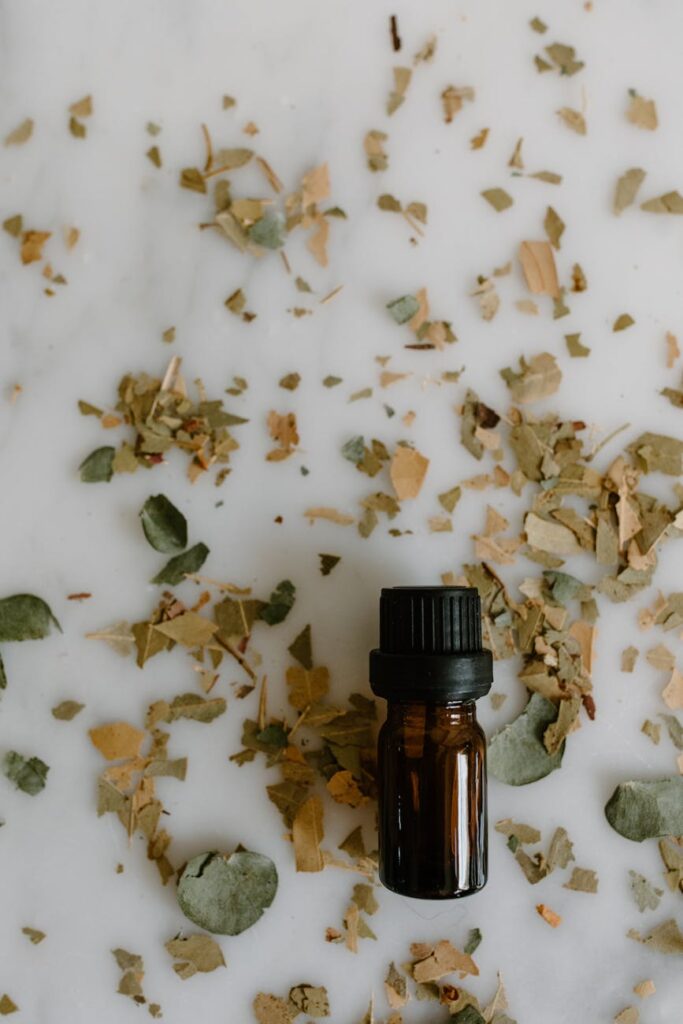
- Storage Conditions: Myrrh oil should be stored in a cool, dark place away from direct sunlight. A dark glass bottle can help protect the oil from light degradation.
- Shelf Life: Myrrh oil typically has a shelf life of 3 to 5 years when stored correctly. However, factors such as exposure to air and light can shorten this duration.
- Signs of Spoilage: If myrrh oil develops an off scent, changes in color, or a cloudy appearance, it is advisable to discard it.
Common Uses
Myrrh oil has a wide range of applications, both historical and contemporary. Some common uses include:
Aromatherapy Applications
In the realm of aromatherapy, myrrh oil is valued for its grounding and calming effects. It is commonly used in:
Safety Considerations
While myrrh oil is generally regarded as safe for most individuals when used appropriately, certain safety considerations should be taken into account:
Storage and Shelf Life
Proper storage is crucial for maintaining the quality and efficacy of myrrh oil. Here are some guidelines:
Frequently Asked Questions
1. How is myrrh oil extracted?
Myrrh oil is extracted through steam distillation of the resin obtained from the Commiphora myrrha tree. This process helps retain its aromatic and therapeutic properties.
2. Can I use myrrh oil for skincare?
Yes, myrrh oil can be used for skincare, particularly for its astringent and antimicrobial properties. However, it should always be diluted with a carrier oil before application.
3. Is myrrh oil safe for children?
Myrrh oil may not be suitable for young children. It is advisable to consult a healthcare professional for guidance on using essential oils with children.
4. Can myrrh oil be ingested?
Ingesting essential oils should be approached with caution. Myrrh oil is not commonly recommended for internal use, and individuals should consult a qualified healthcare provider before considering this route.
5. Can I mix myrrh oil with other essential oils?
Yes, myrrh oil can be blended with other essential oils for enhanced aromatic or therapeutic effects. Popular combinations include frankincense, sandalwood, and lavender.
6. What should I do if I experience an adverse reaction?
If you experience an adverse reaction to myrrh oil, discontinue use immediately and consult a healthcare professional if symptoms persist.
Conclusion
Myrrh oil has a rich history steeped in tradition, with applications that span across various cultures and practices. Understanding its properties, uses, and safety considerations is essential for those wishing to incorporate this ancient oil into their wellness routines. With proper knowledge and respect for this powerful essential oil, users can enjoy the benefits of myrrh while minimizing potential risks.