
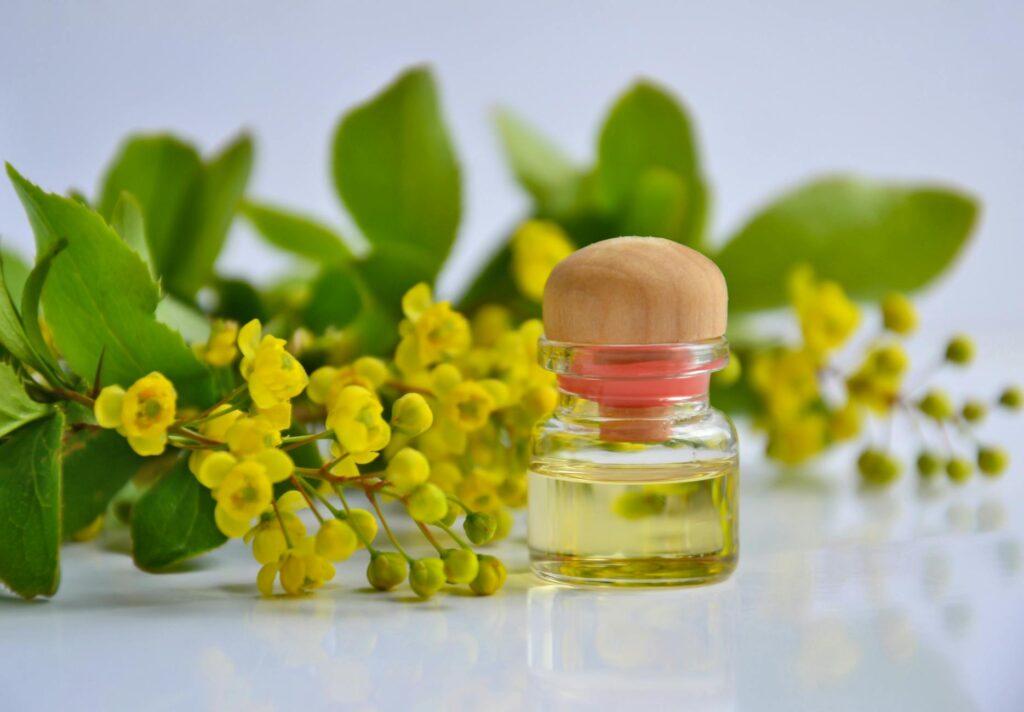
History and Origins of Myrrh Oil
Introduction
Myrrh oil, derived from the resin of the Commiphora myrrha tree, has a rich and storied history that spans thousands of years. Known for its aromatic qualities and therapeutic properties, myrrh has been highly valued in various cultures for its spiritual, medicinal, and cosmetic uses. This article delves into the historical origins of myrrh oil, its extraction process, key benefits, and applications in modern aromatherapy.
What Is Myrrh Oil?
Myrrh oil is an essential oil obtained from the resin of the myrrh tree, primarily found in regions of Africa and the Middle East. The resin is harvested by making incisions in the bark of the tree, which allows the sap to ooze out and harden into amber-colored droplets. These droplets are then collected and subjected to steam distillation to produce the essential oil.
The oil itself possesses a warm, earthy aroma with hints of sweetness, making it a popular choice in perfumery and aromatherapy. Myrrh oil is characterized by its complex chemical composition, which includes compounds such as sesquiterpenes, monoterpenes, and various aromatic constituents. These compounds contribute to its distinct scent and potential therapeutic properties.
Key Benefits and Properties
Myrrh oil is renowned for its diverse range of beneficial properties. While this article does not provide medical advice, a brief overview of its key benefits includes:
1. Antimicrobial Properties: Myrrh has been traditionally used for its ability to inhibit the growth of bacteria and fungi. It may aid in wound healing and oral hygiene.
2. Anti-inflammatory Effects: The oil is thought to have anti-inflammatory properties, making it useful for soothing minor skin irritations and discomfort.
3. Astringent Qualities: Myrrh oil can act as an astringent, helping to tighten and tone the skin, which is beneficial for various cosmetic applications.
4. Emotional Balance: Myrrh oil is often used in aromatherapy to promote emotional well-being. Its calming scent may help reduce stress and anxiety.
5. Support for Immune Function: Some believe that myrrh oil can support the immune system, although scientific evidence is limited in this area.
Common Uses
The versatility of myrrh oil allows it to be utilized in various contexts, including:
- Perfumery: Its rich and warm aroma makes it a popular base note in many perfumes and fragrances.
- Traditional Medicine: Historically, myrrh has been used in various traditional medicinal practices across cultures, particularly in Ayurvedic and Chinese medicine.
- Skincare: Myrrh oil is often incorporated into skincare formulations due to its potential benefits for skin health and its astringent properties.
- Incense and Rituals: Myrrh has been valued in religious and spiritual ceremonies, often used in incense due to its aromatic properties.
- Diffusion: Myrrh oil can be diffused in the air to create a soothing environment, helping to alleviate feelings of stress and anxiety.
- Massage: When diluted with a carrier oil, myrrh can be used in massage therapy to promote relaxation and relieve tension.
- Bath Additive: Adding a few drops of myrrh oil to bathwater may enhance the bathing experience, offering both aromatic pleasure and potential skin benefits.
- Meditation and Spiritual Practices: Myrrh’s historical use in religious rituals lends it a special place in meditation practices, where its scent can aid in creating a tranquil atmosphere.
- Dilution: Essential oils should always be diluted in a carrier oil before topical application to minimize the risk of skin irritation.
- Patch Test: It is advisable to conduct a patch test on a small area of skin to ensure there is no allergic reaction.
- Consultation: Individuals who are pregnant, nursing, or have underlying health conditions should consult a healthcare professional prior to using essential oils.
- Storage: Proper storage is essential to maintain the quality of myrrh oil, as exposure to light and heat can degrade its properties.
- Container: Store myrrh oil in a dark glass bottle to protect it from light exposure.
- Temperature: Keep the oil in a cool, dry place, away from direct sunlight and heat sources.
- Shelf Life: Myrrh oil has a relatively long shelf life, typically lasting between 3 to 5 years if stored correctly. However, it’s essential to check for any changes in aroma or appearance that may indicate deterioration.
Aromatherapy Applications
In the realm of aromatherapy, myrrh oil is appreciated for its grounding and calming effects. Its applications include:
Safety Considerations
While myrrh oil is generally considered safe for use in aromatherapy, several safety precautions should be observed:
Storage and Shelf Life
To preserve the integrity of myrrh oil, proper storage practices are crucial. Here are some tips:
Frequently Asked Questions
1. How is myrrh oil extracted?
Myrrh oil is extracted through a process called steam distillation, where the hardened resin is distilled with steam to separate the essential oil from the plant material.
2. Can myrrh oil be ingested?
Ingesting essential oils is not recommended without the guidance of a qualified healthcare professional, as they can be highly concentrated and may cause adverse effects.
3. Is myrrh oil safe for children?
While myrrh oil can be used in aromatherapy, it is advisable to consult a healthcare professional before using it with children, as their skin may be more sensitive.
4. What are the differences between myrrh and frankincense?
Both myrrh and frankincense are aromatic resins used in traditional practices, but they come from different trees and possess distinct aroma profiles and properties. Myrrh has a warmer, earthier scent, while frankincense is more citrusy and woody.
5. Where can I purchase myrrh oil?
Myrrh oil is widely available at health food stores, specialty shops, and online retailers. It is essential to choose high-quality, pure essential oils from reputable sources.
Conclusion
The history and origins of myrrh oil reveal its significance in various cultures and its enduring appeal in modern applications. With a rich array of potential benefits, myrrh oil continues to be a cherished ingredient in perfumery, skincare, and aromatherapy. Whether used for its aromatic qualities or therapeutic properties, myrrh oil remains a testament to the wisdom of ancient practices and the ongoing exploration of nature’s gifts.