
History and Origins of Native Edible Seaweeds
Introduction
Seaweeds, or marine macroalgae, have been a crucial part of human diets and cultures for centuries. Native edible seaweeds, in particular, hold a prominent place in various cuisines around the world, especially in coastal regions. While they are often associated with Asian culinary traditions, their history and utilization extend well beyond these boundaries. This article explores the rich history and origins of native edible seaweeds, their benefits, applications, and safety considerations.
What Are Native Edible Seaweeds?
Native edible seaweeds refer to species of macroalgae that are naturally found in specific regions and are consumed by local populations. These seaweeds can be classified into three main groups based on their pigmentation:
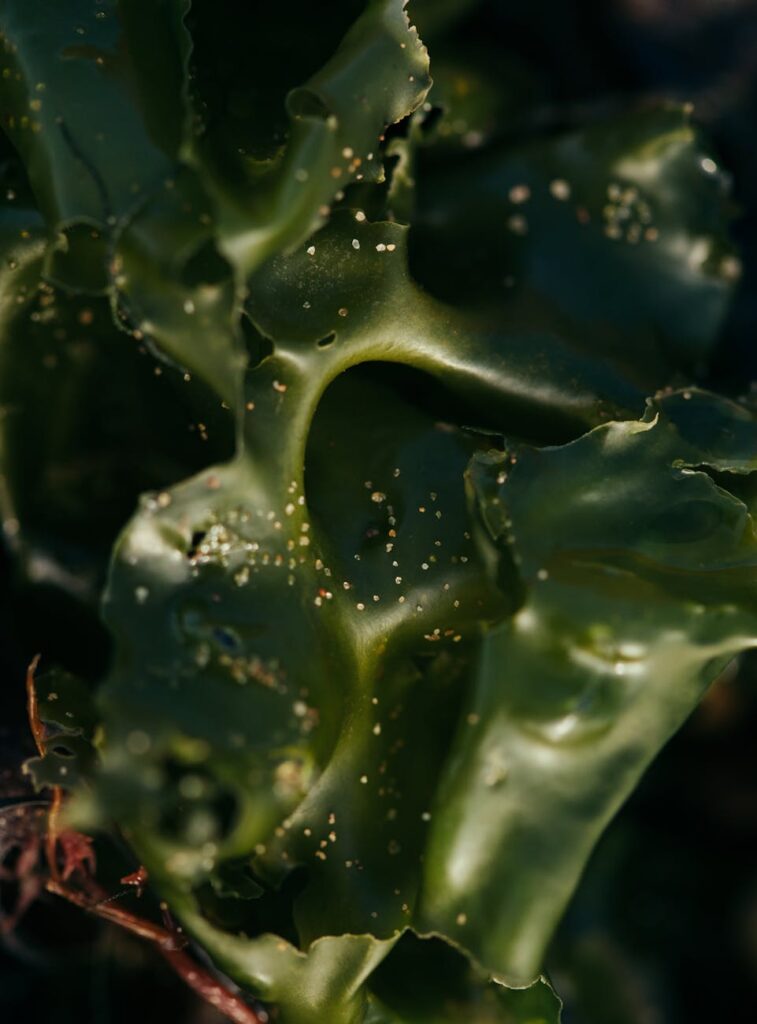
- Green Algae (Chlorophyta): Includes species like Ulva (sea lettuce) and Codium.
- Brown Algae (Phaeophyta): Comprises varieties such as Laminaria (kombu) and Fucus (bladderwrack).
- Red Algae (Rhodophyta): Encompasses types like Porphyra (nori) and Gracilaria.
- Vitamins and Minerals: Seaweeds provide essential nutrients such as iodine, calcium, iron, magnesium, and vitamins A, C, E, and K.
- Dietary Fiber: The high fiber content promotes digestive health and can aid in satiety.
- Antioxidants: Many species contain antioxidants that can help combat oxidative stress in the body.
- Omega-3 Fatty Acids: Some seaweeds are also sources of omega-3s, which are important for heart health.
- Culinary: Edible seaweeds are often incorporated into soups, salads, sushi, and snacks. For instance, nori is widely known for wrapping sushi rolls, while kombu is used to enhance the umami flavor in broths.
- Thickening Agents: Certain seaweeds, like carrageenan derived from red algae, are commonly used as thickeners or stabilizers in a variety of food products, including dairy and plant-based alternatives.
- Seasonings: Dried seaweeds can be ground into powders and used as seasonings, adding unique flavors and nutrients to dishes.
- Traditional Medicine: In many cultures, native seaweeds have been used in traditional medicine for their purported health benefits, although scientific research is ongoing.
- Skin Care: Seaweed extracts are often included in cosmetic products due to their moisturizing and nourishing properties. They can help improve skin hydration and elasticity.
- Bath Products: Seaweed-infused bath products can provide a soothing experience, allowing users to enjoy the benefits of mineral-rich algae.
- Aromatherapy Blends: Some essential oils can be blended with seaweed extracts, creating a calming and refreshing aroma that enhances relaxation during aromatherapy sessions.
- Iodine Levels: Some seaweeds, particularly brown varieties, can be high in iodine. Individuals with thyroid conditions should consult a healthcare provider before incorporating large amounts of seaweed into their diet.
- Heavy Metals: Seaweeds can accumulate heavy metals from their environment, making it crucial to source seaweeds from clean, unpolluted waters.
- Allergies: Some individuals may have allergic reactions to specific types of seaweed. It is advisable to introduce seaweeds to your diet gradually and monitor for any adverse reactions.
- Dry Seaweeds: Dried seaweeds should be stored in a cool, dry place away from direct sunlight and moisture. They can last for several months to a year if stored properly.
- Fresh Seaweeds: Fresh varieties should be refrigerated and consumed within a few days to ensure optimal freshness.
- Prepared Seaweed Products: Once opened, packaged seaweed snacks and other products should be consumed within the time frame indicated on the label.
These seaweeds thrive in intertidal and subtidal zones and are known for their ability to absorb nutrients from seawater, making them rich in vitamins, minerals, and other bioactive compounds.
Key Benefits and Properties
Native edible seaweeds are celebrated not only for their culinary uses but also for their nutritional profile. They are rich in:
These properties have made native edible seaweeds a valuable component of both traditional and modern diets.
Common Uses
Seaweeds have been used in various culinary applications around the globe. Here are some common uses:
Aromatherapy Applications
While the primary focus of this article is on culinary and nutritional aspects, seaweeds also find their way into the realm of aromatherapy, albeit indirectly. Seaweed extracts are used in various products aimed at promoting relaxation and wellness. Here are a few applications:
Safety Considerations
While native edible seaweeds are generally safe for consumption, there are several safety considerations to keep in mind:
Storage and Shelf Life
Proper storage of native edible seaweeds is essential to maintain their quality and nutritional benefits. Here are some guidelines:
Frequently Asked Questions
1. Are all seaweeds edible?
Not all seaweeds are safe for human consumption. It is essential to identify edible species and avoid those that may be toxic.
2. How can I incorporate seaweed into my diet?
Seaweeds can be added to salads, soups, and stir-fries or enjoyed as snacks. They can also be ground into powders for seasoning.
3. Are there any specific health benefits associated with consuming seaweed?
Seaweeds are rich in vitamins, minerals, and antioxidants, contributing to overall health. However, individual health benefits may vary, and it is important to consume them as part of a balanced diet.
4. Where can I find native edible seaweeds?
Native edible seaweeds can often be found in specialty grocery stores, Asian markets, or health food stores. It is important to source them from reputable suppliers to ensure quality.
5. Can I harvest seaweed myself?
Harvesting seaweed can be done in some areas, but it is essential to follow local regulations and guidelines. Sustainable harvesting practices should be prioritized to protect marine ecosystems.
Conclusion
The history and origins of native edible seaweeds are deeply intertwined with human culture and cuisine. From their nutritional benefits to their culinary versatility, these marine plants continue to play an essential role in diets around the world. As interest in sustainable and healthy eating grows, the significance of native edible seaweeds is likely to increase, allowing future generations to appreciate their rich heritage and benefits.