
History and Origins of Native Medicinal Herbs
Introduction
The use of native medicinal herbs has a rich and diverse history, rooted in the traditions and practices of indigenous cultures around the world. These herbs, often referred to as “native” or “indigenous,” have been utilized for centuries for their therapeutic properties, spiritual significance, and holistic benefits. This article delves into the historical context, benefits, and applications of native medicinal herbs, shedding light on their importance in contemporary herbalism and aromatherapy.
What Is Native Medicinal Herbs?
Native medicinal herbs are plants that have naturally evolved in a specific geographic area, often co-existing with the local flora and fauna. These herbs have been traditionally used by indigenous populations for various purposes, including healing, cooking, and ritualistic functions. Unlike exotic herbs, native species are adapted to their local environments, making them particularly suitable for use in traditional medicine systems.
These herbs are often characterized by their unique properties and constituents, which can vary widely depending on the region in which they are found. The knowledge of their uses has been passed down through generations, often forming an integral part of a community’s cultural heritage.
Key Benefits and Properties
Native medicinal herbs are celebrated for their diverse range of benefits and properties. Some of the key attributes include:
Therapeutic Properties
Many native herbs possess anti-inflammatory, antimicrobial, and analgesic properties. These attributes make them useful in treating various ailments, from minor injuries to chronic conditions. For example, the use of willow bark as a natural pain reliever can be traced back to ancient civilizations.
Nutritional Value
In addition to their therapeutic benefits, many native herbs are rich in vitamins, minerals, and antioxidants. They can contribute to overall health and well-being when incorporated into the diet. For instance, certain native herbs like nettle and dandelion are known for their high nutrient content.
Ecological Adaptation
Due to their long-standing presence in local ecosystems, native herbs play a crucial role in maintaining biodiversity. They are often more resilient to local pests and diseases, making them sustainable choices for herbal medicine.
Common Uses
The applications of native medicinal herbs are vast and varied, reflecting the cultural and historical contexts in which they are used. Some common uses include:
Culinary Applications
Many native herbs are utilized in cooking, adding flavor and nutritional value to dishes. For example, herbs like wild garlic and creeping thyme can enhance the taste of traditional recipes, while also providing health benefits.
Herbal Remedies
Native medicinal herbs are often employed in the preparation of herbal remedies, which may take the form of teas, tinctures, ointments, or poultices. For instance, echinacea is frequently used to support the immune system, while chamomile is valued for its calming effects.
Cultural Practices
In many indigenous cultures, native herbs hold spiritual significance. They may be used in rituals, ceremonies, and traditional healing practices. Sage, for example, is often burned as a cleansing agent in various cultural rites.
Aromatherapy Applications
Aromatherapy, the practice of using essential oils derived from plants for therapeutic purposes, has increasingly integrated native medicinal herbs. The aromatic properties of these herbs make them valuable in promoting emotional and physical well-being.
Essential Oils from Native Herbs
Many native herbs can be distilled into essential oils, which capture their aromatic and therapeutic properties. For instance, the essential oil of cedarwood, derived from native cedar trees, is commonly used for its grounding scent and calming effects.
Diffusion and Inhalation
In aromatherapy, native essential oils can be diffused into the air or inhaled directly to promote relaxation, reduce stress, and enhance mood. The use of these oils can create a soothing environment, making them ideal for meditation or yoga practices.
Topical Applications
Essential oils from native herbs can also be blended with carrier oils for topical applications. This method allows for the benefits of the herbs to penetrate the skin, offering localized relief and nourishment.
Safety Considerations
While native medicinal herbs offer a myriad of benefits, it is important to approach their use with caution. Some safety considerations include:
Allergies and Sensitivities
Individuals may have allergies or sensitivities to certain herbs. It is advisable to conduct a patch test before using a new herb or essential oil topically. Additionally, those with known allergies should consult herbal texts or professionals for guidance.
Interactions with Medications
Certain native herbs may interact with prescription medications or other supplements. It is essential to seek advice from qualified herbalists or healthcare professionals when considering the use of these herbs in conjunction with other treatments.
Dosage and Preparation
Proper dosage and preparation are crucial to maximizing the benefits while minimizing adverse effects. Guidelines for preparation, storage, and dosage should be followed based on historical practices and modern research.
Storage and Shelf Life
The storage and shelf life of native medicinal herbs and their essential oils are important factors to consider for preserving their efficacy.
Dry Herbs
Dried herbs should be stored in a cool, dark place, away from direct sunlight and moisture. In airtight containers, such as glass jars, they can last for several months to a year, depending on the herb.
Essential Oils
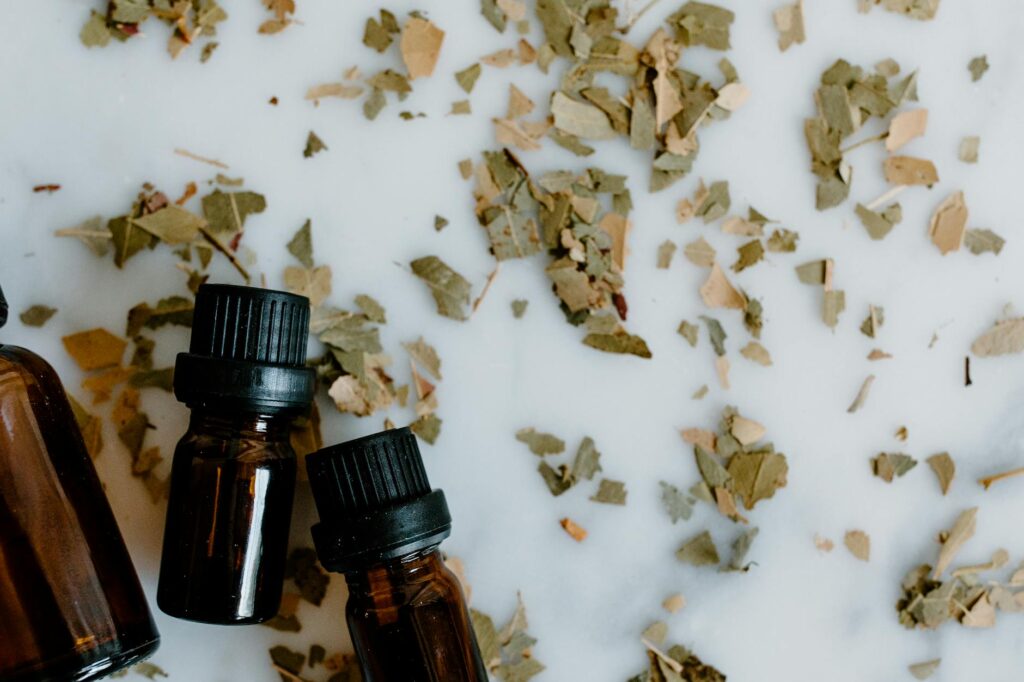
Essential oils should also be stored in dark glass bottles to protect them from light, which can degrade their quality. Properly stored, many essential oils can last for several years, while some may have shorter shelf lives due to their chemical composition.
Frequently Asked Questions
1. Are all native herbs safe to use?
While many native herbs are safe and beneficial, some may have contraindications or require caution. Always research specific herbs or consult a knowledgeable source before use.
2. Can native herbs be used in cooking?
Yes, many native herbs are safe and delicious additions to culinary dishes. They can enhance flavor while providing nutritional benefits.
3. How do I know which native herbs are suitable for my region?
Local herbalists, botanical gardens, and universities often provide resources on native plants. Field guides can also help identify and learn about local herbs.
4. Can I grow native herbs in my garden?
Many native herbs can be cultivated in home gardens, enhancing biodiversity and supporting local ecosystems. It is advisable to research the specific growing conditions for each herb.
5. Where can I find native medicinal herbs?
Native herbs can often be found at local markets, herbal shops, or online retailers specializing in organic and sustainable products.
Conclusion
The history and origins of native medicinal herbs illustrate the deep connection between humans and the natural world. These herbs, with their cultural significance and therapeutic properties, continue to play a vital role in modern herbalism and aromatherapy. By understanding their benefits, applications, and safety considerations, individuals can appreciate and incorporate these valuable resources into their lives. As we move forward, respecting traditional knowledge while fostering sustainable practices will ensure that the legacy of native medicinal herbs endures for generations to come.