
History and Origins of Native Medicinal Plants
Introduction
The use of native medicinal plants has been an integral part of human culture and health for thousands of years. These plants, indigenous to specific regions, have been used by various cultures for their therapeutic properties, forming the foundation of traditional medicine systems around the world. This article explores the rich history and origins of these plants, their benefits, common uses, and their role in modern aromatherapy.
What Are Native Medicinal Plants?
Native medicinal plants refer to species that have evolved in a particular geographical area and are adapted to its environment. These plants are often imbued with cultural significance and have been utilized for generations by indigenous peoples for healing and wellness. The knowledge surrounding these plants is typically passed down through oral traditions and is deeply intertwined with the cultural identity of the communities that use them.
The definition of “native” varies globally. In the United States, for instance, native plants are those that existed prior to European settlement. In contrast, other regions may have different criteria based on local ecosystems and historical contexts.
Key Benefits and Properties
The benefits of native medicinal plants are vast, owing to their diverse chemical compounds. Some key properties include:
1. Antioxidant Activity: Many native plants possess compounds that combat oxidative stress in the body, which can contribute to various health issues.
2. Anti-inflammatory Effects: Several species are known for their ability to reduce inflammation, which is a common underlying factor in many diseases.
3. Antimicrobial Properties: Many native plants have natural antibacterial and antifungal properties, making them effective in traditional treatments for infections.
4. Adaptogenic Qualities: Certain plants help the body adapt to stress, promoting overall balance and resilience.
5. Nutritional Value: Many native plants are rich in vitamins, minerals, and other nutrients, contributing to overall health.
Common Uses
Native medicinal plants have a wide range of applications. Some common uses include:
1. Herbal Remedies: Teas, tinctures, and poultices made from native plants are often used to alleviate symptoms of various ailments.
2. Culinary Uses: Many native plants are edible and are incorporated into traditional diets, often enhancing both flavor and nutritional content.
3. Cosmetic Applications: Extracts from native plants are commonly used in natural skincare products for their beneficial properties.
4. Spiritual and Ritualistic Uses: Some plants hold significance in cultural rituals, used for cleansing, protection, or healing.
5. Aromatherapy: Essential oils extracted from native plants are utilized for their aromatic and therapeutic benefits.
Aromatherapy Applications
Aromatherapy is the practice of using essential oils for therapeutic purposes, and many native medicinal plants play a crucial role in this field. The essential oils extracted from these plants can influence mood, promote relaxation, and support emotional well-being.
Popular Native Essential Oils
1. Eucalyptus: Known for its invigorating scent, eucalyptus oil is often used in respiratory therapies and is valued for its antiseptic properties.
2. Tea Tree: This oil is renowned for its antimicrobial and anti-inflammatory properties, making it a popular choice for skin care.
3. Cedarwood: Often used for grounding and calming effects, cedarwood oil is beneficial in promoting relaxation.
4. Sage: Used for both culinary and medicinal purposes, sage oil can help with mental clarity and emotional balance.
5. Lavender: Valued for its calming scent, lavender oil has a long history of use in promoting relaxation and sleep.
Safety Considerations
While native medicinal plants and their essential oils offer numerous benefits, it is essential to exercise caution. Some considerations include:
1. Allergies: Individuals may have allergies or sensitivities to certain plants. It is advisable to conduct a patch test before using a new essential oil.
2. Pregnancy and Nursing: Certain oils may not be safe for use during pregnancy or breastfeeding. Consult with a qualified professional for guidance.
3. Interactions with Medications: Some native plants may interact with prescription medications. It is crucial to consult healthcare providers if you are taking medications.
4. Quality of Oils: Ensure that essential oils are sourced from reputable suppliers to ensure purity and effectiveness.
5. Dosage: Essential oils are highly concentrated and should be used in moderation. Dilution is often necessary when applying oils to the skin.
Storage and Shelf Life
Proper storage is vital to maintaining the potency and effectiveness of essential oils derived from native medicinal plants. Here are some key storage tips:
1. Cool, Dark Place: Store oils away from direct sunlight and heat, as these can degrade the oil over time.
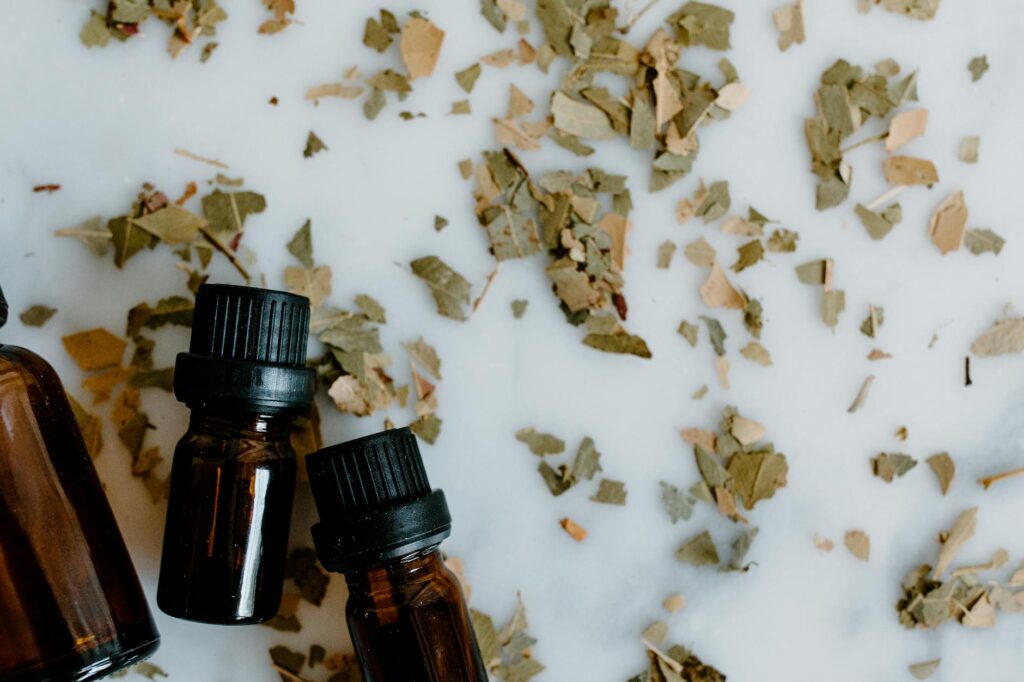
2. Sealed Containers: Use dark glass bottles with tight seals to protect oils from oxidation.
3. Labeling: Clearly label containers with the name of the oil and the date of purchase to keep track of freshness.
4. Shelf Life: Generally, essential oils have a shelf life ranging from one to four years, depending on the type. Citrus oils tend to have a shorter lifespan compared to woody or resinous oils.
Frequently Asked Questions
What is the difference between essential oils and herbal remedies?
Essential oils are concentrated extracts obtained from plants, containing the volatile compounds that give plants their characteristic scents and therapeutic properties. Herbal remedies typically refer to the use of whole plants or parts of plants (like leaves, roots, or flowers) in various forms such as teas or tinctures.
Can I create my own essential oils at home?
While it is possible to create essential oils through methods such as steam distillation or cold pressing, the process is complex and requires specialized equipment. It is often more practical to purchase high-quality, commercially produced essential oils.
Are all native plants safe for human use?
Not all native plants are safe. Some may be toxic or cause adverse reactions. It is crucial to conduct thorough research and consult with knowledgeable sources before using any plant for medicinal purposes.
How can I learn more about native medicinal plants?
Many resources are available for those interested in native medicinal plants, including local herbalists, botanical gardens, and indigenous knowledge keepers. Books and online courses can also provide valuable insights into the traditional uses and benefits of these plants.
Conclusion
The rich history and origins of native medicinal plants reveal a profound connection between nature and human health. These plants have played a vital role in traditional healing practices, offering numerous benefits and applications, particularly in aromatherapy. Understanding their uses and significance can foster a deeper appreciation for the natural world and the wisdom of indigenous cultures. As we continue to explore the potential of these plants, it is essential to approach their use with respect, awareness, and a commitment to safety.