
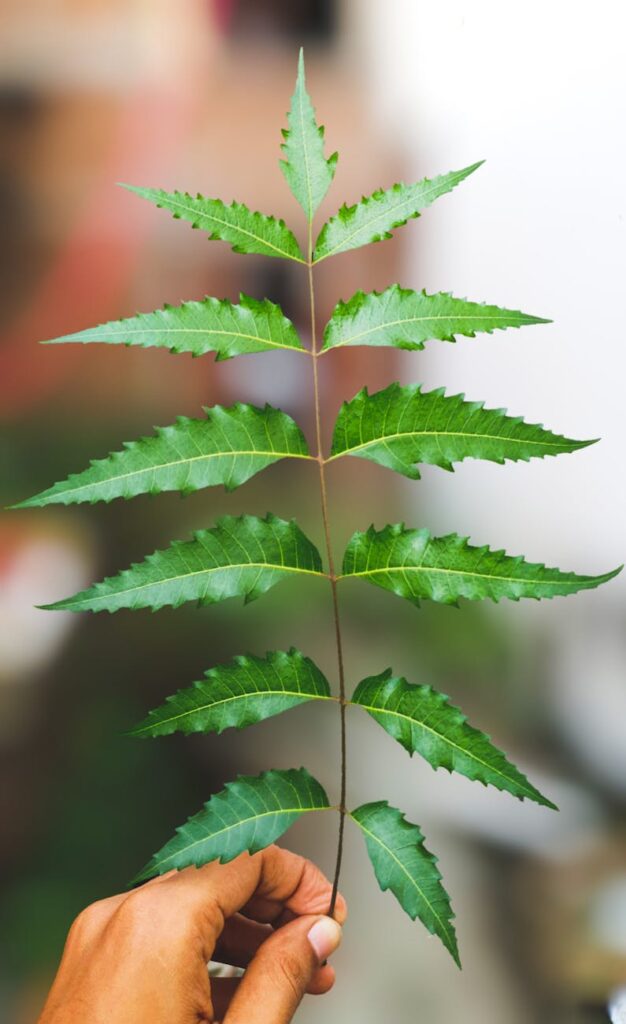
History and Origins of Neem Extract
Introduction
Neem extract, derived from the seeds, leaves, and bark of the neem tree (Azadirachta indica), has a rich history that dates back thousands of years. Revered in various cultures for its myriad of beneficial properties, neem has earned its place as a cornerstone in traditional medicine, agriculture, and even modern practices. This article delves into the historical significance, origins, and multifaceted uses of neem extract, offering a comprehensive understanding of its role in both ancient and contemporary contexts.
What Is Neem Extract?
Neem extract is a concentrated form of the natural compounds found in the neem tree. Known for its bitter taste and strong aroma, neem is often extracted using methods such as cold pressing, solvent extraction, or steam distillation. The primary active constituents of neem include azadirachtin, nimbidin, and various flavonoids and terpenoids, which contribute to its diverse range of properties. Neem is predominantly found in tropical and subtropical regions, particularly in India, where it has been cultivated for millennia.
Key Benefits and Properties
Neem’s reputation as a powerhouse of beneficial properties arises from its complex chemical composition. Some of the key benefits attributed to neem extract include:
1. Antimicrobial Properties: Neem has been shown to possess significant antibacterial, antiviral, and antifungal properties, making it a popular choice for natural remedies.
2. Anti-Inflammatory Effects: The compounds in neem are believed to help reduce inflammation, providing potential relief from various inflammatory conditions.
3. Antioxidant Activity: Neem contains antioxidants that help combat oxidative stress, which can contribute to various chronic diseases.
4. Insecticidal and Pesticidal Qualities: Azadirachtin, one of neem’s most studied compounds, is effective against a wide range of pests, making neem a valuable tool in organic farming.
5. Skin Health: Neem extract is widely used in skincare for its soothing, healing, and purifying properties, making it effective for conditions like acne and eczema.
6. Digestive Aid: Traditionally, neem has been used to support digestive health by promoting gut flora balance and alleviating discomfort.
Common Uses
Neem extract is versatile and has a variety of applications across different fields:
Traditional Medicine
Historically, neem has been an integral part of Ayurveda, the ancient Indian system of medicine. It has been used to treat a range of ailments, including fevers, skin disorders, and dental issues. In Ayurvedic practices, neem is often referred to as a “divine tree” and is considered a symbol of health and well-being.
Agriculture
In agricultural practices, neem extract is utilized as a natural pesticide and fungicide. Its efficacy in deterring pests and promoting healthy plant growth has made it a staple in organic farming. Neem cake, a byproduct of oil extraction, is also used as a soil amendment.
Personal Care Products
Neem extract is a popular ingredient in many personal care products, including soaps, shampoos, and lotions. Its skin-friendly properties and natural scent enhance the appeal of these items, making them a favorite among consumers seeking natural alternatives.
Aromatherapy Applications
In the realm of aromatherapy, neem extract is often used for its invigorating and purifying qualities. While it may not be as widely recognized as other essential oils, neem can be incorporated into blends for its unique scent and potential benefits. Some common applications include:
1. Diffusion: When diffused, neem can help purify the air and create a calming atmosphere. It is often blended with other essential oils to enhance its therapeutic effects.
2. Topical Application: Diluted neem oil can be applied to the skin to help soothe irritations or minor skin conditions. It is essential to perform a patch test to ensure no adverse reactions occur.
3. Bath Additive: Adding neem extract to bath water can provide a refreshing and cleansing experience, promoting relaxation and skin health.
Safety Considerations
While neem extract is generally considered safe for external use, there are some important safety considerations to keep in mind:
1. Allergic Reactions: Individuals with allergies to plants in the Meliaceae family should exercise caution when using neem extract.
2. Pregnancy and Lactation: Pregnant or breastfeeding women should consult a healthcare professional before using neem products, as some compounds may have unwanted effects.
3. Concentration: Neem extract can be potent, and it is crucial to dilute it properly before topical application to avoid skin irritation.
4. Toxicity: While neem is safe for many uses, excessive ingestion can lead to toxicity. Neem oil should never be ingested in large quantities.
Storage and Shelf Life
To maintain the integrity of neem extract, proper storage is essential. Here are some guidelines:
1. Cool, Dark Place: Store neem extract in a cool, dark place away from direct sunlight to prevent degradation.
2. Tightly Sealed Containers: Use airtight containers to protect neem from moisture and air, which can compromise its quality.
3. Shelf Life: Neem extract typically has a shelf life of 1 to 2 years when stored correctly. Always check for changes in color, scent, or consistency before use.
Frequently Asked Questions
1. How is neem extract made?
Neem extract can be produced through various methods, including cold pressing of seeds, solvent extraction, or steam distillation. Each method may yield different concentrations of active compounds.
2. Can neem extract be used internally?
While neem is commonly used in traditional medicine, internal use should be approached with caution. It is advisable to consult a healthcare professional before using neem extract internally.
3. Is neem extract safe for pets?
Neem extract is often used in natural pet care products. However, it is essential to ensure that the concentration is safe for animals, as some may have sensitivities.
4. Can neem extract help with acne?
Neem extract is often included in skincare products aimed at treating acne due to its antibacterial and anti-inflammatory properties. However, individual results may vary, and it is advisable to test the product on a small area first.
5. Where can I buy neem extract?
Neem extract is available in various forms, including oils, powders, and capsules. It can be found in health food stores, online retailers, and specialty shops focused on natural products.
Conclusion
The history and origins of neem extract illustrate its significance across different cultures and practices. With its array of benefits and versatile applications, neem continues to be a valuable resource in both traditional and modern contexts. Whether used in agriculture, personal care, or aromatherapy, neem extract exemplifies the power of nature in promoting health and well-being. As interest in natural remedies grows, neem remains a key player in the quest for sustainable and holistic solutions.