
History and Origins of Neroli Blossom Oil
Introduction
Neroli blossom oil, derived from the delicate flowers of the bitter orange tree (Citrus aurantium), has captivated the senses and inspired various cultures for centuries. Its enchanting aroma, characterized by sweet, floral, and citrus notes, has made it a prized ingredient in perfumery, cosmetics, and aromatherapy. This article delves into the history, origins, key benefits, and uses of neroli blossom oil, providing a comprehensive understanding of this exquisite essential oil.
What Is Neroli Blossom Oil?
Neroli blossom oil is extracted from the blossoms of the bitter orange tree, a species native to Southeast Asia but now widely cultivated in Mediterranean regions, such as Italy, France, and Morocco. The extraction process typically involves steam distillation or solvent extraction of the fresh flowers, which yield a highly concentrated essential oil.
The name “neroli” is believed to have originated from Princess Anne Marie Orsini, the Duchess of Bracciano, who was known for her fondness for the scent and used it to perfume her gloves and bathwater in the 17th century. This association with nobility and luxury has continued throughout history, contributing to the oil’s esteemed status in both historical and contemporary contexts.
Key Benefits and Properties
Neroli blossom oil is celebrated for its diverse range of properties, making it a versatile addition to various applications. Some of the key benefits include:
- Antidepressant: The uplifting scent of neroli is often associated with mood enhancement and emotional balance. It may help alleviate feelings of anxiety and stress.
- Antiseptic: Neroli oil has natural antiseptic properties, making it useful in formulations aimed at promoting skin health and cleanliness.
- Anti-inflammatory: This essential oil may help reduce inflammation, which can be beneficial for various skin conditions.
- Regenerative: Known for its skin-rejuvenating properties, neroli can promote the healing of scars and improve skin elasticity.
- Sedative: The calming aroma can help induce relaxation and improve sleep quality, making it a popular choice for nighttime routines.
- Perfumes and Fragrances: Due to its exquisite scent, neroli is a key ingredient in many high-end perfumes and colognes, often blended with other floral or citrus notes.
- Skincare Products: Its regenerative and antiseptic properties make it a sought-after ingredient in lotions, creams, and serums, particularly for mature or sensitive skin.
- Massage Oils: The calming effects of neroli make it a favored component in massage oils, providing both aromatic pleasure and skin benefits.
- Candles and Diffusers: Many individuals use neroli-infused candles and essential oil diffusers to create a serene and uplifting atmosphere in their homes.
- Bath Products: Bath oils and salts often include neroli for its relaxing fragrance and skin-nourishing properties.
- Diffusion: Adding a few drops of neroli oil to a diffuser can create a soothing environment conducive to relaxation or meditation.
- Inhalation: Inhaling the aroma directly from the bottle or a cotton pad can provide immediate emotional relief during stressful moments.
- Massage: Combining neroli oil with a carrier oil for massage can enhance the therapeutic experience, providing both physical and emotional benefits.
- Bathing: Adding a few drops of neroli oil to a warm bath can enhance relaxation and skin health while creating a luxurious bathing experience.
- Dilution: Always dilute neroli oil with a carrier oil before applying it to the skin to prevent irritation or allergic reactions. A typical dilution ratio is 2-3 drops of essential oil per teaspoon of carrier oil.
- Patch Test: Conduct a patch test on a small area of skin before using neroli oil extensively to ensure there are no adverse reactions.
- Pregnancy and Nursing: Although neroli is considered safe for general use, pregnant or nursing individuals should consult a healthcare professional before using any essential oils.
- Phototoxicity: Unlike some citrus oils, neroli is not phototoxic, meaning it does not cause skin irritation when exposed to sunlight. However, caution is always advised when using essential oils.
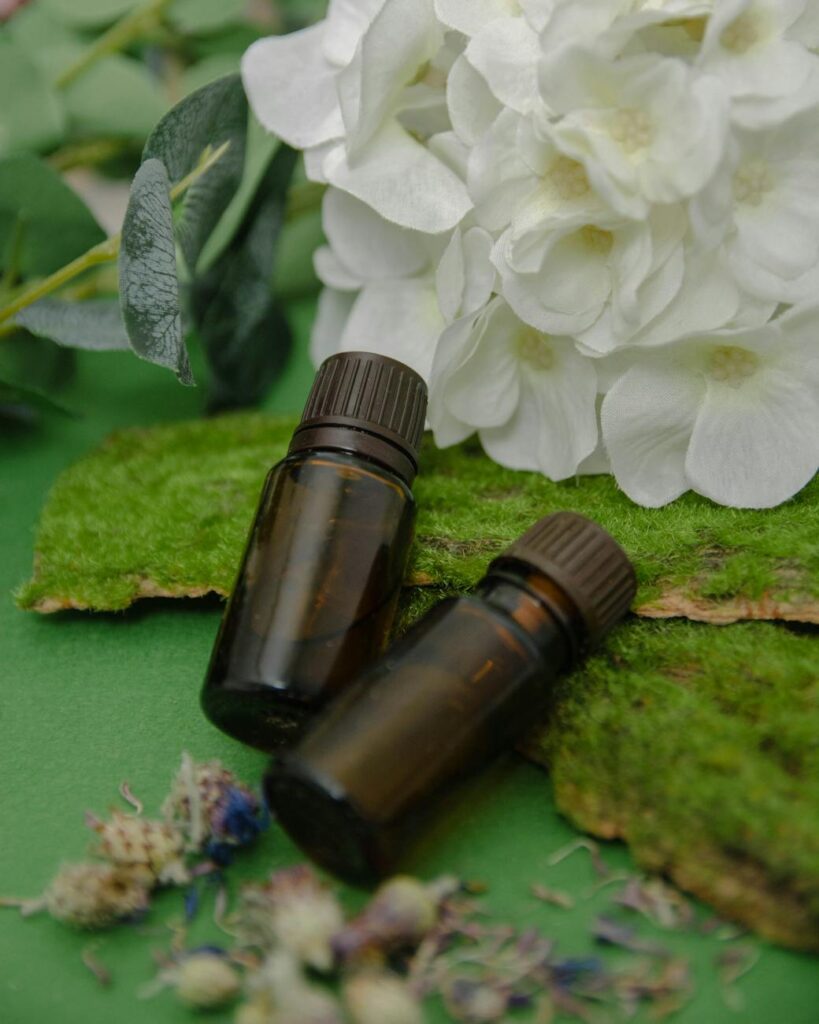
- Container: Store neroli oil in a dark glass bottle to protect it from light exposure, which can degrade its properties over time.
- Temperature: Keep the oil in a cool, dry place, away from direct sunlight and heat sources. Ideal storage conditions are within a range of 60-70°F (15-21°C).
- Shelf Life: When stored correctly, neroli blossom oil can last for 2-3 years. However, its aroma and effectiveness may diminish over time. Regularly check for changes in scent or color, as these may indicate that the oil has degraded.
Common Uses
Neroli blossom oil is used in a wide array of products and practices. Some common uses include:
Aromatherapy Applications
In aromatherapy, neroli blossom oil is prized for its ability to promote emotional well-being and relaxation. Its sweet, floral aroma can help reduce anxiety, elevate mood, and promote a sense of calm. Here are some common applications in aromatherapy:
Safety Considerations
While neroli blossom oil is generally regarded as safe for use, certain precautions should be observed:
Storage and Shelf Life
To maintain the quality and potency of neroli blossom oil, it is essential to store it properly:
Frequently Asked Questions
1. How is neroli blossom oil extracted?
Neroli blossom oil is primarily extracted through steam distillation or solvent extraction of the fresh flowers from the bitter orange tree.
2. What does neroli oil smell like?
Neroli oil has a sweet, floral, and slightly citrusy aroma, making it a popular choice in perfumery and aromatherapy.
3. Can neroli oil be used on the skin?
Yes, neroli oil can be used on the skin, but it should always be diluted with a carrier oil to prevent irritation.
4. Is neroli oil safe for children?
While neroli is generally considered safe, it is advisable to consult with a healthcare professional before using essential oils on children.
5. What are the best ways to use neroli oil for relaxation?
Neroli oil can be used in a diffuser, added to a warm bath, or mixed with a carrier oil for massage to promote relaxation and emotional well-being.
Conclusion
Neroli blossom oil stands as a testament to the rich history and cultural significance of essential oils. With its captivating aroma and myriad benefits, it continues to be a cherished ingredient in various applications, from perfumery to aromatherapy. Understanding its origins, properties, and uses allows individuals to appreciate and utilize this exquisite oil effectively, enriching both personal care routines and overall well-being.