
History and Origins of Nettle Leaf Extract
Introduction
Nettle leaf extract, derived from the stinging nettle plant (Urtica dioica), has a rich history intertwined with various cultures and medicinal practices. This extract is not only valued for its therapeutic benefits but also for its nutritional properties. The utilization of nettle leaves dates back thousands of years, making it a significant botanical in both ancient and modern contexts. This article delves into the history and origins of nettle leaf extract, exploring its properties, uses, and applications, particularly within the realm of aromatherapy.
What Is Nettle Leaf Extract?
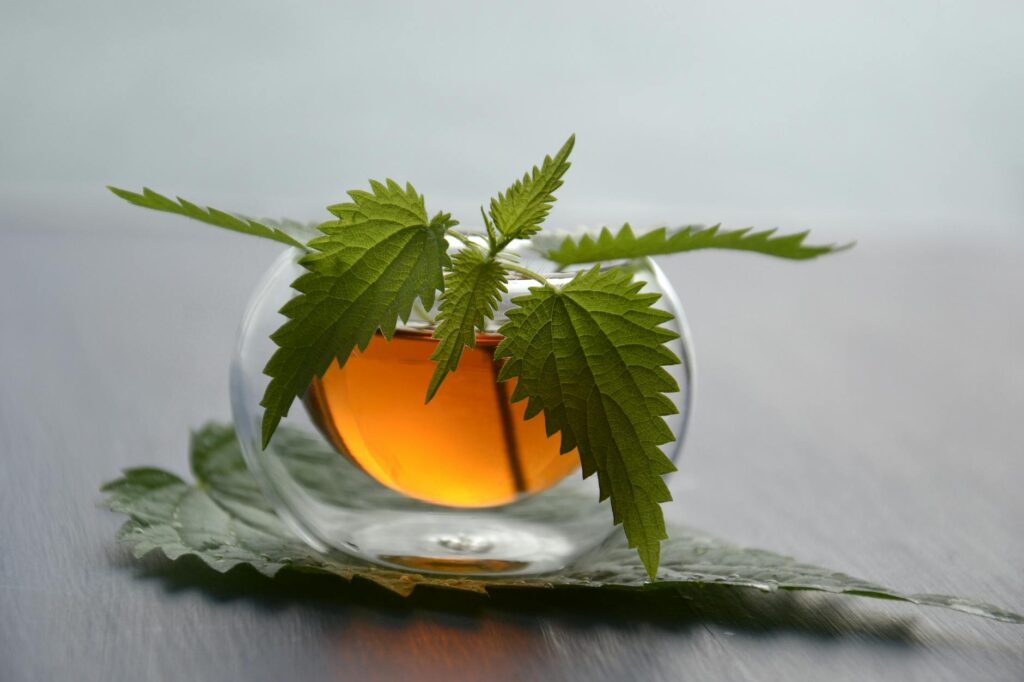
Nettle leaf extract is obtained from the leaves of the stinging nettle, a perennial plant known for its serrated leaves covered in tiny, stinging hairs. These hairs contain compounds that can cause a burning sensation upon contact with skin. However, when processed into an extract, the beneficial properties of the nettle plant can be harnessed without the discomfort associated with its fresh leaves.
The extract can be prepared in various forms, including tinctures, teas, and essential oils. Each preparation method retains different concentrations of the plant’s active compounds, which include vitamins, minerals, and various phytochemicals.
Key Benefits and Properties
Nettle leaf extract is rich in a diverse array of nutrients, which contribute to its reputation as a health-promoting substance. Key components include:
- Vitamins and Minerals: Nettle leaves are abundant in vitamins A, C, K, and several B vitamins, along with minerals such as iron, calcium, magnesium, and potassium.
- Antioxidants: Nettle is known to contain various antioxidant compounds, which may help combat oxidative stress and support overall cellular health.
- Anti-inflammatory Properties: Some studies suggest that certain compounds in nettle may exhibit anti-inflammatory effects, making it a popular ingredient in herbal remedies for joint and muscle discomfort.
- Allergy Relief: Nettle has been historically used as a natural antihistamine, believed to alleviate symptoms of seasonal allergies.
- Culinary Applications: In many cultures, young nettle leaves are harvested and cooked as a nutritious vegetable. They can be added to soups, stews, and teas, providing a rich source of vitamins and minerals.
- Herbal Remedies: Traditionally, nettle has been used to support urinary health, promote hair growth, and alleviate symptoms associated with arthritis and allergies. These applications often involve the use of tinctures or teas prepared from the leaves.
- Cosmetic Products: The extract is increasingly found in skincare formulations due to its potential to soothe irritated skin and provide hydration.
- Inhalation Blends: Nettle leaf extract can be combined with essential oils known for their calming and grounding properties, such as lavender or chamomile, to create blends that may support relaxation and stress relief.
- Topical Applications: When diluted properly, nettle leaf extract can be added to carrier oils or lotions and applied to the skin. This may be particularly beneficial for individuals looking to soothe inflamed or irritated skin conditions.
- Herbal Steam Inhalations: Inhaling the steam from a pot of boiling water infused with nettle leaf extract may provide respiratory support, especially during allergy season.
- Allergic Reactions: Individuals with allergies to plants in the urticaceae family (such as ragweed) may experience allergic reactions to nettle. Conducting a patch test before extensive use is advisable.
- Pregnancy and Nursing: Pregnant or nursing women should consult a healthcare professional before using nettle leaf extract, as its effects during these periods are not fully understood.
- Interactions with Medications: Nettle may interact with certain medications, including blood thinners and diuretics. Always consult a healthcare provider before introducing new herbal supplements into your routine.
- Skin Irritation: Direct contact with fresh nettle leaves can cause skin irritation. Use caution when handling the plant in its raw form.
- Storage Conditions: Store nettle leaf extract in a cool, dark place, away from direct sunlight and moisture. Glass containers are preferable, as they do not interact with the extract.
- Shelf Life: The shelf life of nettle leaf extract varies depending on the form. Tinctures typically have a longer shelf life (up to several years) when stored correctly, while teas and oils should be used within a year for optimal freshness.
These properties contribute to the growing interest in nettle leaf extract among herbalists, nutritionists, and wellness enthusiasts.
Common Uses
Nettle leaf extract has been employed in various forms throughout history, both as a food source and in traditional medicine. Common uses include:
Aromatherapy Applications
While nettle leaf extract is not typically used in aromatherapy as an essential oil, its properties can be integrated into holistic practices. Aromatherapy focuses on the inhalation of essential oils to promote physical and emotional well-being. Although stinging nettle itself does not produce an essential oil in the traditional sense, its extracts can be utilized in several ways:
Safety Considerations
While nettle leaf extract is generally considered safe for most individuals when used appropriately, there are important safety considerations:
Storage and Shelf Life
Proper storage of nettle leaf extract is essential to maintain its potency and efficacy. Here are some guidelines:
Frequently Asked Questions
1. Is nettle leaf extract safe for everyone?
While nettle leaf extract is generally safe for most people, those with specific allergies or health conditions should consult a healthcare professional before use.
2. How can I incorporate nettle leaf extract into my routine?
Nettle leaf extract can be consumed in various forms, including teas, tinctures, or as an ingredient in culinary dishes. It can also be used topically in skincare formulations when properly diluted.
3. Can nettle leaf extract help with allergies?
Historically, nettle has been used as a natural antihistamine. Some individuals report relief from allergy symptoms, but individual responses may vary.
4. Where can I buy nettle leaf extract?
Nettle leaf extract is widely available in health food stores, herbal shops, and online retailers. Look for products from reputable brands that provide information on sourcing and processing.
5. How do I prepare nettle tea?
To prepare nettle tea, steep dried nettle leaves in hot water for about 5 to 10 minutes. Strain and enjoy, optionally sweetening or flavoring with honey or lemon.
Conclusion
The history and origins of nettle leaf extract reveal its significance as a versatile herbal remedy and nutritional supplement. With a legacy that spans centuries, nettle continues to be a valuable addition to the world of herbal medicine and aromatherapy. Its rich nutrient profile, combined with its traditional uses, makes it an important plant to consider for those interested in holistic health practices. As with all herbal products, it is essential to approach nettle leaf extract with an understanding of its properties, uses, and safety considerations.