
History and Origins of Niaouli Oil Safety
Introduction
Niaouli oil, derived from the leaves of the Melaleuca quinquenervia tree, has a rich history rooted in traditional medicine and cultural practices. This essential oil, often overshadowed by its more famous relatives like tea tree and eucalyptus oils, offers a unique profile of benefits and applications. Understanding the history and safety of niaouli oil is essential for those interested in aromatherapy, natural remedies, and holistic health practices. This article delves into the origins, benefits, common uses, and safety considerations surrounding niaouli oil.
What Is Niaouli Oil Safety?
Niaouli oil safety involves understanding how to use the oil correctly to minimize risks while maximizing its benefits. The oil is extracted through steam distillation of the leaves and twigs of the niaouli tree, a member of the Myrtaceae family. Its chemical composition includes compounds like 1,8-cineole, alpha-terpineol, and globulol, contributing to its therapeutic properties.
When discussing niaouli oil safety, it is crucial to consider factors such as dilution, individual sensitivities, and proper storage. These aspects ensure that users can enjoy the oil’s benefits without adverse reactions.
Key Benefits and Properties
Niaouli oil is celebrated for its diverse range of properties, which include:
- Antiseptic: The oil exhibits strong antiseptic qualities, making it useful in cleansing wounds and preventing infections.
- Expectorant: Niaouli oil is known for its ability to support respiratory health by helping to clear mucus and phlegm.
- Anti-inflammatory: Its anti-inflammatory properties can provide relief from conditions associated with swelling and irritation.
- Analgesic: Niaouli oil may help alleviate pain, making it a popular choice for muscle and joint discomfort.
- Insect Repellent: The oil is also effective in repelling insects, adding to its versatility in both personal care and household applications.
- Topical Use: Diluted niaouli oil can be applied to the skin to support wound healing or alleviate muscle soreness.
- Inhalation: The oil can be diffused or inhaled to support respiratory health and clear congestion.
- Household Cleaning: Due to its antiseptic properties, niaouli oil can be added to homemade cleaning solutions.
- Personal Care Products: Many skincare products incorporate niaouli oil for its soothing and healing properties.
- Diffusion: Niaouli oil can be added to a diffuser to purify the air and create a refreshing environment.
- Massage: When blended with a carrier oil, niaouli oil can be used in massage to relieve tension and promote relaxation.
- Baths: A few drops of niaouli oil in a warm bath can enhance relaxation and provide respiratory support.
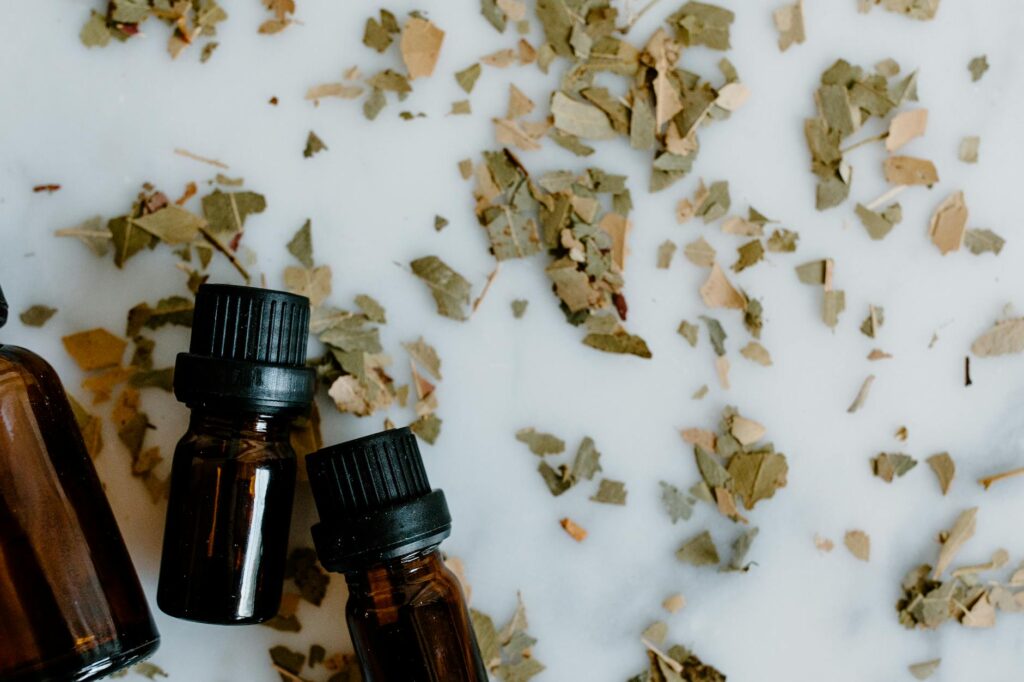
- Container: Store niaouli oil in a dark glass bottle to protect it from light, which can degrade its quality.
- Temperature: Keep the oil in a cool, dry place away from direct sunlight and heat sources.
- Shelf Life: When stored correctly, niaouli oil typically has a shelf life of 2-3 years. However, always check for changes in smell or appearance before use, as these can indicate degradation.
Common Uses
Niaouli oil’s versatility lends itself to various applications, including:
Aromatherapy Applications
In aromatherapy, niaouli oil is often used to create a calming and invigorating atmosphere. Its fresh, medicinal scent is thought to promote mental clarity and emotional balance. Common applications in aromatherapy include:
Safety Considerations
While niaouli oil offers numerous benefits, safety should always be a priority. Here are some essential safety considerations:
1. Dilution: Niaouli oil should always be diluted in a carrier oil before topical application. A typical dilution ratio is 1-2% for general use, which translates to 1-2 drops of essential oil per teaspoon of carrier oil.
2. Patch Test: Before applying niaouli oil to larger areas of the skin, conduct a patch test to check for allergic reactions or sensitivities. Apply a small amount of diluted oil to a discreet area and observe for 24 hours.
3. Pregnancy and Nursing: Pregnant or nursing individuals should consult a qualified healthcare provider before using niaouli oil, as certain essential oils can affect hormone levels or fetal development.
4. Children: Niaouli oil may be suitable for children over the age of two, but it is critical to consult with a healthcare professional for appropriate dilution and usage guidelines.
5. Skin Sensitivity: Some individuals may experience skin irritation or allergic reactions to niaouli oil. If any adverse reactions occur, discontinue use immediately and consult a professional.
6. Respiratory Conditions: Individuals with respiratory conditions should exercise caution when using niaouli oil, as its strong aroma may not be suitable for everyone.
Storage and Shelf Life
Proper storage is essential for maintaining the quality and efficacy of niaouli oil. The following tips can help ensure the oil remains effective:
Frequently Asked Questions
1. What is the origin of niaouli oil?
Niaouli oil is derived from the Melaleuca quinquenervia tree, which is native to Australia and the surrounding Pacific Islands. The traditional use of this oil dates back to Aboriginal cultures, where it was employed for its healing properties.
2. Can niaouli oil be ingested?
Ingesting essential oils should only be done under the guidance of a qualified professional. Niaouli oil is primarily used for topical and aromatic applications.
3. How does niaouli oil compare to tea tree oil?
While both niaouli and tea tree oil belong to the same family and share some similar properties, niaouli oil is generally considered milder and may be better tolerated by sensitive individuals. It also has a fresher, more medicinal aroma.
4. Is niaouli oil safe for pets?
Niaouli oil should be used cautiously around pets. Many essential oils can be toxic to animals, so it is advisable to consult a veterinarian before using niaouli oil in a household with pets.
5. How can I incorporate niaouli oil into my daily routine?
Niaouli oil can be added to personal care products, used in aromatherapy diffusers, or included in homemade cleaning solutions. Always ensure proper dilution and conduct a patch test before topical application.
Conclusion
Niaouli oil holds a significant place in the world of essential oils, offering a variety of benefits and applications. Understanding its history, properties, and safety considerations can help individuals incorporate this oil into their wellness routines responsibly. Whether used for aromatherapy, personal care, or cleaning, niaouli oil can be a valuable addition to a holistic lifestyle when approached with care and knowledge. As with all essential oils, education and responsible use are key to enjoying the benefits of this remarkable natural resource.