
History and Origins of Olive Oil
Introduction
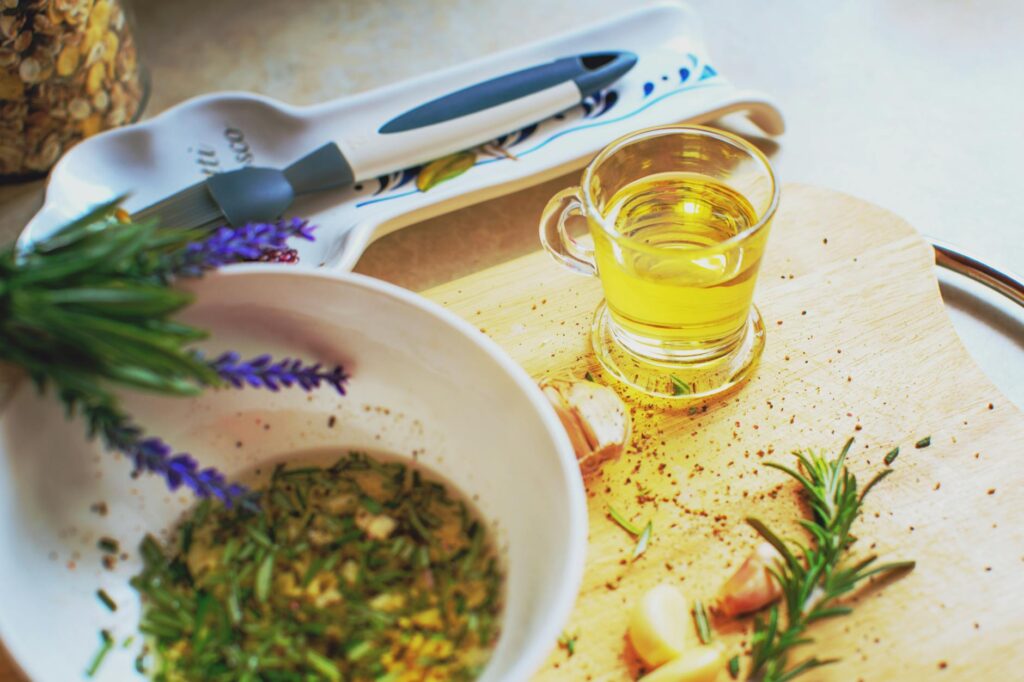
Olive oil, a staple of Mediterranean cuisine, has a rich history that spans thousands of years. Its origins can be traced back to ancient civilizations, where it was revered not only as a culinary ingredient but also for its cultural, medicinal, and economic significance. This article explores the history and origins of olive oil, examining its production methods, benefits, applications, and the role it plays in both cooking and aromatherapy.
What Is Olive Oil?
Olive oil is a fat obtained from the fruit of the olive tree (Olea europaea). The process of extracting olive oil involves crushing the olives and extracting the oil through mechanical means or, in some cases, chemical processes. Olive oil is classified into several categories based on factors such as acidity, flavor, and production methods. The most notable classifications include:
- Extra Virgin Olive Oil (EVOO): Made from pure, cold-pressed olives, this type has the highest quality and lowest acidity (less than 0.8%).
- Virgin Olive Oil: Also cold-pressed but with a slightly higher acidity (up to 2%).
- Refined Olive Oil: This type undergoes a refining process that removes impurities and flavor, resulting in a milder taste and higher smoke point.
- Olive Pomace Oil: Extracted from the residue left after the first pressing, this oil is often chemically refined.
- Rich in Monounsaturated Fats: Olive oil is primarily composed of oleic acid, a monounsaturated fat that is known to support heart health.
- Antioxidants: It contains various antioxidants, including vitamin E and phenolic compounds, which may help combat oxidative stress in the body.
- Anti-Inflammatory Properties: Some studies suggest that the compounds found in olive oil can help reduce inflammation, making it a popular choice in anti-inflammatory diets.
- Cooking: Olive oil can be used for sautéing, frying, roasting, and baking. Its flavor enhances dishes, making it a popular choice for dressings and marinades.
- Dipping: A common practice in Mediterranean cultures, olive oil is often served with bread for dipping, sometimes infused with herbs or spices for added flavor.
- Preservation: Olive oil can act as a preservative for various foods, including vegetables and cheeses, helping to enhance their shelf life.
- Dilution Medium: Olive oil can effectively dilute essential oils without compromising their therapeutic properties, making it ideal for massage and skin applications.
- Moisturizing Agent: When mixed with essential oils, olive oil can enhance the moisturizing qualities of blends, providing nourishment to the skin.
- Calming Aroma: Olive oil has a subtle aroma that can complement various essential oils, contributing to a soothing atmosphere in aromatherapy practices.
- Allergies: Although rare, some individuals may have allergies to olives or olive oil. It is advisable to conduct a patch test before applying it topically.
- Quality: The quality of olive oil can vary significantly. Low-quality oils may be mixed with other oils or contain additives that could cause skin reactions. Always choose high-quality, organic options when possible.
- Sun Sensitivity: Olive oil is not known to cause photosensitivity; however, it is always prudent to avoid sun exposure on areas where oils are applied to the skin.
- Keep It Cool: Olive oil should be stored in a cool, dark place away from direct sunlight and heat sources, as light and heat can degrade its quality.
- Use Dark Containers: Glass bottles, especially dark-colored ones, help protect the oil from light exposure, preserving its flavor and nutrients.
- Seal Tightly: Ensure that the bottle is tightly sealed to prevent oxidation, which can lead to rancidity.
The flavor, color, and aroma of olive oil can vary significantly based on the olive variety, growing conditions, and production methods.
Key Benefits and Properties
Olive oil is prized for its nutritional benefits, which include:
These attributes have contributed to the embrace of olive oil in various cultural cuisines, particularly in Mediterranean diets, which are often associated with numerous health benefits.
Common Uses
Olive oil’s versatility makes it suitable for a wide range of culinary applications. Common uses include:
Beyond the kitchen, olive oil also finds its way into various beauty and wellness products, celebrated for its moisturizing and nourishing properties.
Aromatherapy Applications
In recent years, olive oil has gained popularity in the field of aromatherapy, where it is often used as a carrier oil for essential oils. A carrier oil is a neutral oil that helps dilute concentrated essential oils, making them safe for topical application.
However, it is essential to ensure that the olive oil used is of high quality, preferably extra virgin, to maximize its benefits in aromatherapy.
Safety Considerations
While olive oil is generally considered safe for culinary and topical applications, there are some safety considerations to keep in mind:
Storage and Shelf Life
Proper storage of olive oil is crucial for maintaining its quality and extending its shelf life. Here are some tips for storing olive oil effectively:
When stored correctly, olive oil can last for up to two years, although it is best used within six months to a year for optimal freshness.
Frequently Asked Questions
1. What is the difference between virgin and extra virgin olive oil?
Extra virgin olive oil is produced from the first cold pressing of olives and has low acidity (less than 0.8%). Virgin olive oil is also cold-pressed but has a slightly higher acidity (up to 2%) and may have a less complex flavor profile.
2. Can olive oil be used for frying?
Yes, olive oil can be used for frying, particularly extra virgin olive oil, which has a moderate smoke point. However, for high-heat frying, refined olive oil or other oils with higher smoke points may be more suitable.
3. How can I tell if olive oil has gone bad?
Rancid olive oil often has an off-putting smell and flavor, resembling crayon or wax. If the oil smells or tastes unpleasant, it is best to discard it.
4. Is olive oil safe for cooking at high temperatures?
While olive oil can be used for cooking at moderate temperatures, its smoke point is lower than that of other oils. For high-temperature cooking, refined olive oil or other oils with higher smoke points may be advisable.
5. How do I choose the best olive oil?
Look for high-quality, cold-pressed extra virgin olive oil, preferably organic. Check the label for the harvest date and origin, and choose oils stored in dark glass bottles to ensure freshness.
Conclusion
The history and origins of olive oil are deeply intertwined with human civilization, cultural practices, and culinary arts. From its ancient roots in the Mediterranean basin to its contemporary applications in both cooking and aromatherapy, olive oil remains a cherished ingredient around the globe. Understanding its benefits, uses, and proper storage can enhance the experience of incorporating this golden elixir into daily life. Whether drizzled over a fresh salad or used as a nourishing carrier oil in aromatherapy, olive oil continues to be a symbol of health and vitality.