
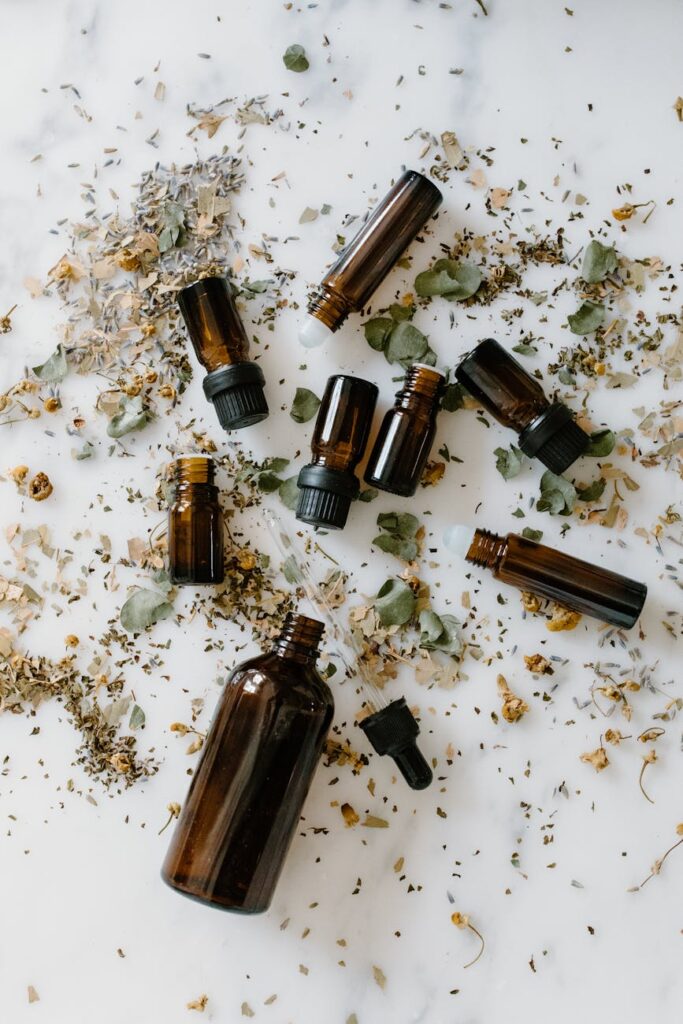
History and Origins of Patchouli Oil Safety
Introduction
Patchouli oil, derived from the leaves of the Pogostemon cablin plant, has a rich history that spans centuries and continents. Known for its earthy, musky aroma, patchouli oil has found its place in perfumery, incense, and traditional medicine. However, with the rise in popularity of essential oils for personal and therapeutic use, understanding the safety and proper handling of patchouli oil is paramount. This article delves into the history and origins of patchouli oil safety, highlighting its benefits, applications, and safety considerations.
What Is Patchouli Oil Safety?
Patchouli oil safety refers to the guidelines and precautions necessary for the safe use, handling, and storage of patchouli essential oil. This includes understanding its potential effects on health, skin sensitivity, and interactions with other substances. As patchouli oil gains popularity in aromatherapy and personal care products, an awareness of its properties and safety measures is essential for users.
Key Benefits and Properties
Patchouli oil is celebrated for its unique chemical composition, which contributes to its various benefits:
1. Antimicrobial Properties: Research suggests that patchouli oil has antibacterial and antifungal properties, making it a valuable addition to natural cleaning products.
2. Mood Enhancement: The oil is often associated with mood-lifting effects and is commonly used in aromatherapy to combat feelings of stress and anxiety.
3. Insect Repellent: Traditionally, patchouli oil has been used to repel insects, contributing to its popularity in natural pest control solutions.
4. Skin Care: Due to its anti-inflammatory properties, patchouli oil is frequently used in skin care formulations aimed at soothing irritation and promoting healing.
5. Aphrodisiac Qualities: Historically, patchouli has been regarded as an aphrodisiac, adding to its allure in various cultures.
While these benefits are widely recognized, it is important to approach the use of patchouli oil with caution, especially regarding safety and individual sensitivities.
Common Uses
Patchouli oil is versatile and can be used in various applications, including:
- Perfumery: Its rich, complex fragrance makes patchouli a sought-after ingredient in many perfumes.
- Incense and Candles: Patchouli is commonly used in incense and scented candles, contributing to a calming atmosphere.
- Cosmetics: The oil can be found in creams, lotions, and shampoos, adding fragrance and potential skin benefits.
- Household Products: Patchouli oil is often incorporated into natural cleaning products and air fresheners.
- Diffusion: Adding a few drops of patchouli oil to a diffuser can create a calming environment, making it ideal for meditation or relaxation.
- Massage: When blended with a carrier oil, patchouli oil can be used in massage therapy to soothe sore muscles and promote emotional well-being.
- Bathing: A few drops of patchouli oil can be added to bathwater for a soothing and aromatic experience.
- Cool, Dark Place: Essential oils should be stored in a cool, dark place, away from direct sunlight and heat. This helps prevent degradation and extends shelf life.
- Sealed Containers: Store patchouli oil in tightly sealed, dark glass containers to minimize exposure to air and light, both of which can cause oxidation.
- Expiration: While patchouli oil has a relatively long shelf life, typically 3-5 years, it’s essential to check for changes in aroma, color, or viscosity, which may indicate that the oil has gone bad.
Aromatherapy Applications
In aromatherapy, patchouli oil is frequently used to promote relaxation and emotional balance. Its grounding scent can be used in diffusers, massage oils, or bath products. The following methods illustrate how patchouli oil is commonly applied in aromatherapy:
Safety Considerations
While patchouli oil is generally regarded as safe, certain precautions should be taken to ensure its safe use. Here are important safety considerations:
1. Dilution: Essential oils, including patchouli, should always be diluted with a carrier oil before applying them to the skin. A typical dilution ratio is 2-3 drops of essential oil per teaspoon of carrier oil.
2. Skin Sensitivity: Some individuals may experience allergic reactions or skin irritation from patchouli oil. It is advisable to perform a patch test by applying a diluted sample to a small area of skin before broader use.
3. Pregnancy and Nursing: Pregnant and nursing individuals should consult a healthcare professional before using patchouli oil or any essential oils, as safety during these periods is not fully established.
4. Medications and Health Conditions: Individuals taking medications or with underlying health conditions should seek advice from a healthcare provider regarding the use of patchouli oil, especially if it is being used for therapeutic purposes.
5. Evaporation and Flammability: Like many essential oils, patchouli oil is flammable. It should be stored away from heat sources and open flames, and care should be taken when using it in diffusers or candles.
Storage and Shelf Life
Proper storage is crucial to maintaining the quality and efficacy of patchouli oil. Here are essential tips for storing patchouli oil:
Frequently Asked Questions
1. Is patchouli oil safe for everyone?
While patchouli oil is generally safe for most individuals, sensitivities can vary. It is recommended to perform a patch test and consult a healthcare professional if you have concerns.
2. Can I use patchouli oil directly on my skin?
No, patchouli oil should always be diluted with a carrier oil before topical application to minimize the risk of irritation.
3. What are the best carrier oils for diluting patchouli oil?
Common carrier oils include jojoba oil, sweet almond oil, and fractionated coconut oil. Choose a carrier oil that suits your skin type and personal preferences.
4. How can I incorporate patchouli oil into my daily routine?
Patchouli oil can be added to your skincare routine, used in aromatherapy diffusers, or included in homemade cleaning products for its aromatic and potential beneficial properties.
5. Is patchouli oil safe for children?
Children may be more sensitive to essential oils. It is advisable to consult with a healthcare provider before using patchouli oil around children or applying it to their skin.
Conclusion
The history and origins of patchouli oil are steeped in cultural significance and traditional uses. As essential oils gain traction in modern wellness practices, understanding patchouli oil safety becomes essential. By recognizing its benefits, applications, and safety considerations, users can safely enjoy the rich and aromatic world of patchouli oil. Whether for personal care, aromatherapy, or household use, patchouli oil remains a valuable addition to a holistic lifestyle, provided that it is used with care and respect.