
History and Origins of Peppermint Essential Oil
Introduction
Peppermint essential oil is one of the most versatile and widely used essential oils in the world. Its invigorating aroma and numerous applications in aromatherapy, culinary arts, and personal care make it a staple in many households. Understanding the history and origins of peppermint essential oil not only enriches our appreciation of this fragrant oil but also provides insight into its significance in various cultures and practices throughout time.
What Is Peppermint Essential Oil?
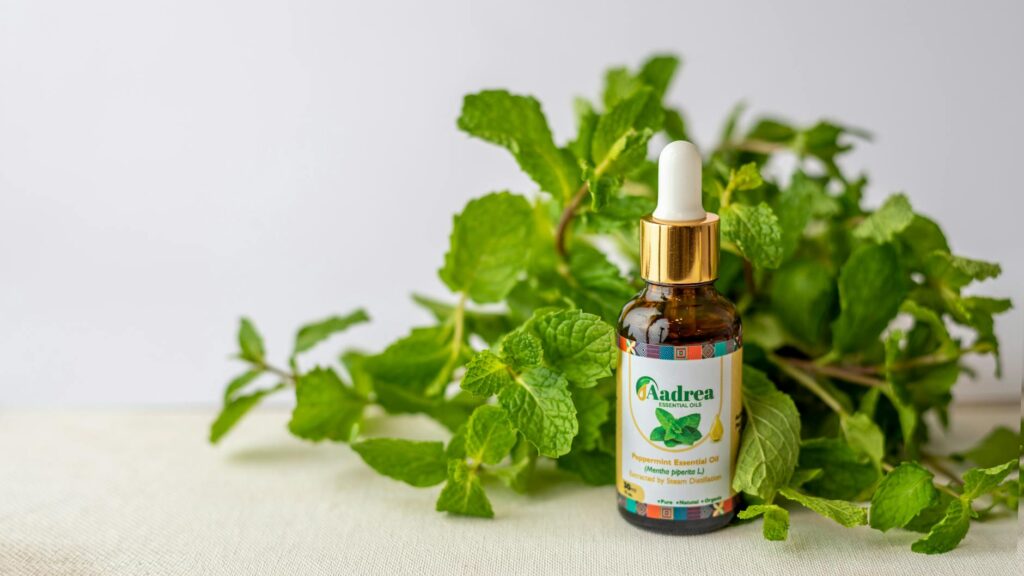
Peppermint essential oil is derived from the leaves of the peppermint plant (Mentha × piperita), a hybrid mint species that is a cross between watermint and spearmint. The oil is typically extracted through steam distillation, capturing the plant’s volatile compounds, primarily menthol and menthone, which are responsible for its characteristic scent and therapeutic properties.
Peppermint is native to Europe and the Middle East, but it has since spread to various regions around the globe, thriving in temperate climates. The oil is typically colorless to pale yellow and has a strong, fresh, minty aroma that is both uplifting and soothing.
Key Benefits and Properties
Peppermint essential oil is renowned for its array of benefits, which can be attributed to its chemical composition. The primary constituents include:
- Menthol: Known for its cooling sensation and soothing properties.
- Menthone: Offers a fresh aroma and potential calming effects.
- 1,8-Cineole: Contributes to respiratory benefits and may aid clarity.
- Analgesic: May provide relief from headaches and muscle pain.
- Antispasmodic: Often used to alleviate digestive discomfort.
- Antimicrobial: Exhibits properties that may inhibit the growth of certain bacteria and fungi.
- Stimulant: Can invigorate the mind and promote alertness.
- Diffusion: Adding a few drops to an essential oil diffuser can create an invigorating atmosphere, ideal for study or work environments.
- Inhalation: Direct inhalation from the bottle or a cotton ball can provide immediate clarity and focus, making it a popular choice for those needing a mental boost.
- Blends: Peppermint oil blends well with other essential oils such as lavender, lemon, and eucalyptus, allowing for customized aromatic experiences.
- Dilution: Always dilute peppermint essential oil with a carrier oil (such as coconut or jojoba oil) before topical application to minimize the risk of skin irritation.
- Sensitivity: Individuals with sensitive skin or allergies should conduct a patch test prior to widespread use.
- Pregnancy and Breastfeeding: Pregnant or breastfeeding women should consult a healthcare professional before using peppermint essential oil.
- Children: The use of peppermint oil in children under the age of two is generally discouraged.
- Container: Store peppermint essential oil in a dark glass bottle to protect it from light degradation.
- Temperature: Keep the oil in a cool, dry place, away from direct sunlight and heat sources.
- Shelf Life: When stored correctly, peppermint essential oil can last for approximately 3 to 5 years, though its potency may gradually diminish over time.
Therapeutic Properties
The therapeutic properties of peppermint essential oil include:
These properties have made peppermint essential oil popular in various traditional and modern practices, from herbal medicine to wellness formulations.
Common Uses
Peppermint essential oil has a myriad of applications, both in holistic practices and everyday life. Some of the most common uses include:
1. Aromatherapy: Used in diffusers or inhalation to enhance mood, alleviate stress, and promote mental clarity.
2. Topical Applications: Often diluted in carrier oils for massage or skin care, helping to relieve muscle tension and discomfort.
3. Culinary Uses: Employed as a flavoring agent in various dishes, candies, and beverages.
4. Household Cleaner: Its antimicrobial properties make it a popular ingredient in natural cleaning products.
The versatility of peppermint essential oil makes it a beneficial addition to many aspects of daily living.
Aromatherapy Applications
In the realm of aromatherapy, peppermint essential oil is frequently utilized for its uplifting and refreshing qualities. It is believed to stimulate the mind, improve concentration, and promote feelings of happiness. Common applications include:
Practitioners often integrate peppermint oil into guided sessions, enhancing the overall impact of their practices by creating a stimulating and refreshing environment.
Safety Considerations
While peppermint essential oil is generally considered safe for use, there are certain precautions to keep in mind:
As with any essential oil, it is prudent to consult with a trained aromatherapist or healthcare provider regarding personal use and potential interactions.
Storage and Shelf Life
Proper storage of peppermint essential oil is essential to maintaining its quality and potency. Here are some guidelines:
Monitoring the oil for changes in aroma, color, or consistency can help determine its viability for continued use.
Frequently Asked Questions
What is the difference between peppermint oil and peppermint essential oil?
Peppermint oil can refer to both the essential oil and the infused oil, which is made by steeping peppermint leaves in a carrier oil. Essential oil is highly concentrated and extracted through steam distillation, while infused oil contains lower concentrations of peppermint properties.
Can peppermint essential oil be ingested?
While some essential oils are considered safe for culinary use, peppermint essential oil should only be ingested under the guidance of a qualified professional, as its concentration can lead to adverse effects if used improperly.
Is peppermint essential oil safe for pets?
Certain essential oils, including peppermint, can be harmful to pets. It is advisable to consult a veterinarian before using peppermint oil in environments where pets are present.
How can I incorporate peppermint essential oil into my daily routine?
Incorporating peppermint essential oil can be simple; consider adding a few drops to your morning diffuser, mixing it with a carrier oil for a refreshing massage, or even adding a drop to your favorite herbal tea for an aromatic twist.
Can peppermint essential oil help with headaches?
Many individuals report that inhaling or applying diluted peppermint essential oil can provide relief from tension headaches. However, individual results may vary, and it is advisable to consult a healthcare professional for chronic issues.
Conclusion
The history and origins of peppermint essential oil reveal a rich tapestry of cultural significance and practical application. From its ancient beginnings in herbal medicine to its modern-day uses in aromatherapy and beyond, peppermint essential oil remains a cherished resource for enhancing well-being and promoting a sense of vitality. As interest in natural remedies continues to grow, understanding the roots and benefits of this remarkable oil can empower individuals to make informed choices about its use in their lives.