
History and Origins of Peppermint Extract
Introduction
Peppermint, a hybrid plant resulting from the crossing of watermint and spearmint, has a rich history that extends back thousands of years. It is known for its distinctive aroma and flavor, which have made it a popular choice in culinary, medicinal, and aromatic applications. This article delves into the fascinating history and origins of peppermint extract, exploring its cultural significance, key benefits, and various uses.
What Is Peppermint Extract?
Peppermint extract is derived from the leaves of the Mentha × piperita plant, an herbaceous perennial that thrives in temperate climates. The extract captures the essential oils and compounds found in the leaves, primarily menthol and menthone, which contribute to its characteristic minty scent and flavor. The extraction process typically involves steam distillation or solvent extraction, resulting in a concentrated liquid form that can be used in various applications.
The popularity of peppermint extract extends beyond its culinary uses; it has also found a place in aromatherapy and natural remedies. The versatility of this extract has made it a staple in households around the world.
Key Benefits and Properties
Peppermint extract boasts a range of beneficial properties, making it a valuable addition to many products. Some of the key benefits include:
- Aromatic Qualities: The refreshing scent of peppermint is known to invigorate the senses and promote mental clarity.
- Digestive Support: While not a substitute for medical advice, peppermint is often associated with digestive relief and is included in many herbal remedies.
- Cooling Sensation: The presence of menthol gives peppermint its cooling effect, making it a popular choice in topical applications for soothing skin irritations.
- Mood Enhancement: In aromatherapy, peppermint is frequently used to uplift mood and reduce feelings of fatigue or stress.
- Allergic Reactions: Some individuals may experience allergic reactions to peppermint. It is advisable to perform a patch test before using peppermint extract topically.
- Pregnancy and Nursing: Pregnant or nursing individuals should consult healthcare professionals before using peppermint extract, as its effects during these times are not fully understood.
- Interactions with Medications: Peppermint may interact with certain medications, particularly those related to digestive health. Consulting a healthcare provider is recommended for individuals on medication.
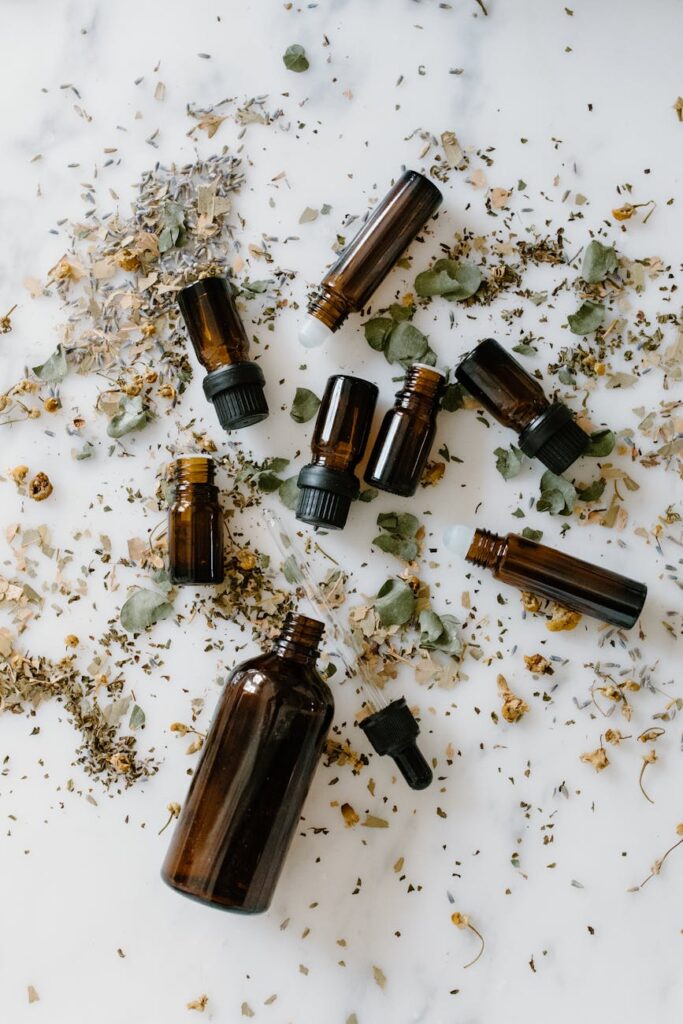
- Cool, Dark Place: Peppermint extract should be stored in a cool, dark place, away from direct sunlight and heat sources. Exposure to light and heat can degrade the quality of the extract.
- Tightly Sealed Containers: Ensure that the container is tightly sealed to prevent oxidation and loss of aroma. Glass bottles are preferable as they do not react with the extract.
- Shelf Life: Generally, peppermint extract can last for several years when stored correctly. However, it is advisable to check for any changes in color, aroma, or flavor before use.
These properties have contributed to the enduring popularity of peppermint extract throughout history.
Common Uses
The uses of peppermint extract are manifold, spanning culinary, cosmetic, and therapeutic applications. Here are some of the most common uses:
Culinary Uses
Peppermint extract is widely used in cooking and baking. It enhances the flavor of various dishes, from desserts like cookies and cakes to savory dishes such as sauces and marinades. Additionally, peppermint tea is a popular beverage enjoyed for its refreshing taste.
Cosmetic Applications
In the cosmetic industry, peppermint extract is incorporated into products such as shampoos, conditioners, lotions, and soaps. Its invigorating scent is often associated with freshness and cleanliness, making it a desirable ingredient in personal care products.
Household Products
Peppermint extract can also be found in household cleaning products. Its natural antimicrobial properties and pleasant scent make it an effective and appealing choice for creating homemade cleaning solutions.
Aromatherapy Applications
Aromatherapy, the practice of using essential oils for therapeutic benefits, often incorporates peppermint extract due to its invigorating properties. Here are some common ways peppermint is used in aromatherapy:
Diffusion
When diffused, peppermint extract releases its aromatic compounds into the air, creating an uplifting environment. It can help improve focus and concentration, making it ideal for use in workspaces or study areas.
Inhalation
Inhaling peppermint extract directly from the bottle or through an aromatherapy inhaler can provide a quick boost to energy levels and mental clarity. This method is often recommended for those needing a refreshing pick-me-up during the day.
Topical Application
When diluted with a carrier oil, peppermint extract can be applied topically to the skin. This method is often used for its cooling sensation, particularly in massage oils or balms. However, caution should be exercised to avoid skin irritation.
Safety Considerations
While peppermint extract is generally regarded as safe for most individuals when used appropriately, there are several considerations to keep in mind:
Storage and Shelf Life
Proper storage of peppermint extract is essential to maintain its potency and flavor. Here are some guidelines for storage:
Frequently Asked Questions
1. Can I use peppermint extract in cooking?
Yes, peppermint extract is commonly used in a variety of culinary applications, particularly in baked goods, desserts, and beverages. A little goes a long way, so it’s best to start with a small amount and adjust to taste.
2. Is peppermint extract the same as peppermint oil?
Peppermint extract and peppermint essential oil are not the same. While both are derived from the peppermint plant, essential oil is more concentrated and is typically used in aromatherapy and topical applications. Extract is more commonly used for culinary purposes.
3. How can I use peppermint extract in aromatherapy?
Peppermint extract can be used in a diffuser or inhaled directly from the bottle. It can also be diluted with a carrier oil for topical application. Always perform a patch test before applying it to the skin.
4. Is peppermint extract safe for children?
While peppermint extract is generally considered safe for children when used in small amounts, it’s advisable to consult with a healthcare provider before using it, especially in concentrated forms.
5. How can I make my own peppermint extract?
To make homemade peppermint extract, combine fresh or dried peppermint leaves with high-proof alcohol (such as vodka) in a glass jar. Seal it tightly and let it steep in a cool, dark place for several weeks. Shake the jar occasionally to enhance the extraction process.
Conclusion
The history and origins of peppermint extract are rich and multifaceted, reflecting its significance across various cultures and eras. From its ancient use in culinary practices to its modern applications in aromatherapy and cosmetics, peppermint extract continues to captivate and inspire. Whether used for its flavor, aroma, or potential benefits, peppermint remains a beloved herb with a timeless legacy.