
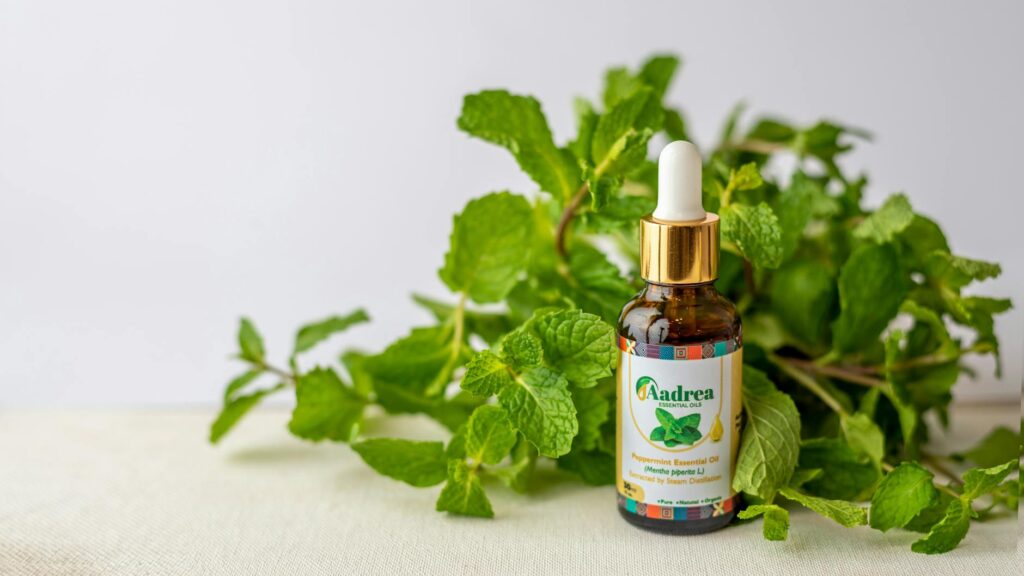
History and Origins of Peppermint Oil Safety
Introduction
Peppermint oil, derived from the leaves of the Mentha × piperita plant, has been cherished for its invigorating scent and therapeutic properties for centuries. With a rich history that intertwines traditional practices and modern applications, peppermint oil is a staple in both aromatherapy and natural wellness. However, the safety of using peppermint oil requires careful consideration, particularly as interest in essential oils grows. This article delves into the history and origins of peppermint oil safety, exploring its benefits, common uses, and essential safety measures.
What Is Peppermint Oil Safety?
Peppermint oil safety refers to the guidelines and practices surrounding the safe use of peppermint oil in various applications. Due to its concentrated nature, peppermint oil can carry risks if not handled properly. Safety measures include proper dilution, awareness of potential sensitivities, and understanding the appropriate contexts for its use. By adhering to these safety protocols, individuals can enjoy the benefits of peppermint oil while minimizing the risk of adverse reactions.
Key Benefits and Properties
Peppermint oil is renowned for its myriad benefits, many of which stem from its unique chemical composition, primarily comprised of menthol, menthone, and menthyl acetate. These compounds contribute to various properties:
1. Antimicrobial: Studies suggest that peppermint oil possesses antimicrobial properties, which may help in inhibiting the growth of certain bacteria and fungi.
2. Analgesic: The menthol in peppermint oil is often associated with a cooling sensation, making it a popular choice for alleviating minor discomfort.
3. Digestive Aid: Historically, peppermint has been used to support digestive health, particularly in easing symptoms of indigestion and bloating.
4. Mood Enhancer: The invigorating scent of peppermint oil is believed to boost mood and enhance mental clarity, making it a favored choice in aromatherapy.
5. Respiratory Support: The cooling properties of menthol can help open airways, making peppermint oil a common choice for respiratory support.
Common Uses
Peppermint oil is utilized in various forms across different domains:
- Culinary: Used as a flavoring agent in food and beverages, peppermint oil adds a refreshing note to dishes and drinks.
- Cosmetics and Personal Care: Its cooling and aromatic properties make it a popular ingredient in shampoos, lotions, and oral care products.
- Household: Peppermint oil is also employed as a natural insect repellent and an air freshener, thanks to its strong scent.
- Medicinal Preparations: In traditional medicine, peppermint has been used in teas, tinctures, and capsules for its potential health benefits.
- Diffusion: Adding a few drops of peppermint oil to a diffuser can help create an invigorating atmosphere, enhancing focus and alertness.
- Topical Application: When diluted appropriately with a carrier oil, peppermint oil can be applied to the skin for localized benefits, such as relief from tension headaches or muscle soreness.
- Inhalation: Direct inhalation of peppermint oil from the bottle or a cotton ball can provide instant relief from mental fatigue and promote respiratory wellness.
- Store in a Cool, Dark Place: Exposure to light and heat can degrade the oil’s potency. A cabinet or drawer away from direct sunlight is ideal.
- Use Dark Glass Bottles: Essential oils should be stored in dark glass containers to minimize light exposure.
- Check for Expiration: Essential oils can have a shelf life of 1-3 years, depending on the oil and storage conditions. Regularly check for changes in aroma or consistency, which may indicate that the oil has expired.
Aromatherapy Applications
In the field of aromatherapy, peppermint oil is often used for its stimulating and refreshing properties. Common methods of application include:
Safety Considerations
While peppermint oil offers numerous benefits, safety considerations are paramount to prevent adverse effects. Here are some key points to keep in mind:
1. Dilution: Due to its potency, peppermint oil should always be diluted with a carrier oil (such as coconut or jojoba oil) before topical application. A general guideline is to use 1-2 drops of peppermint oil for every teaspoon of carrier oil.
2. Skin Sensitivity: Conduct a patch test before using peppermint oil on larger skin areas. Apply a small amount of diluted oil to a discreet area and monitor for any adverse reactions over 24 hours.
3. Ingestion Caution: While peppermint oil is used in culinary applications, ingesting essential oils should be approached with caution. Always consult a qualified professional before considering internal use.
4. Pregnancy and Nursing: Pregnant and nursing individuals should avoid peppermint oil unless advised by a healthcare professional, as it can affect hormone levels and uterine contractions.
5. Children and Pets: Due to their sensitivity, peppermint oil should be used sparingly around children and pets. Always consult with a pediatrician or veterinarian before using essential oils in these contexts.
Storage and Shelf Life
Proper storage is essential for maintaining the quality and safety of peppermint oil. Here are some best practices:
Frequently Asked Questions
1. Is peppermint oil safe for everyone to use?
While peppermint oil is generally safe for most individuals when used appropriately, some people may experience sensitivities. Always conduct a patch test and consult with a healthcare professional if you have concerns.
2. Can peppermint oil be used during pregnancy?
Pregnant individuals should exercise caution when using peppermint oil. It is advisable to consult a healthcare professional before use.
3. How should I dilute peppermint oil for topical use?
A common dilution ratio is 1-2 drops of peppermint oil per teaspoon of carrier oil. Adjust the ratio as necessary based on individual skin sensitivities.
4. Can I ingest peppermint oil?
Ingestion of essential oils should be approached with caution and under the guidance of a qualified professional. Not all essential oils are intended for internal use.
5. How long does peppermint oil last?
When stored correctly, peppermint oil can last between 1-3 years. Always check for changes in aroma or appearance to determine its freshness.
Conclusion
The history and origins of peppermint oil safety are rooted in centuries of traditional use and modern scientific exploration. Understanding its benefits, common applications, and safety considerations is essential for anyone interested in utilizing this remarkable oil. By following safety guidelines and respecting the potency of peppermint oil, individuals can safely enjoy its invigorating properties and enhance their well-being.