
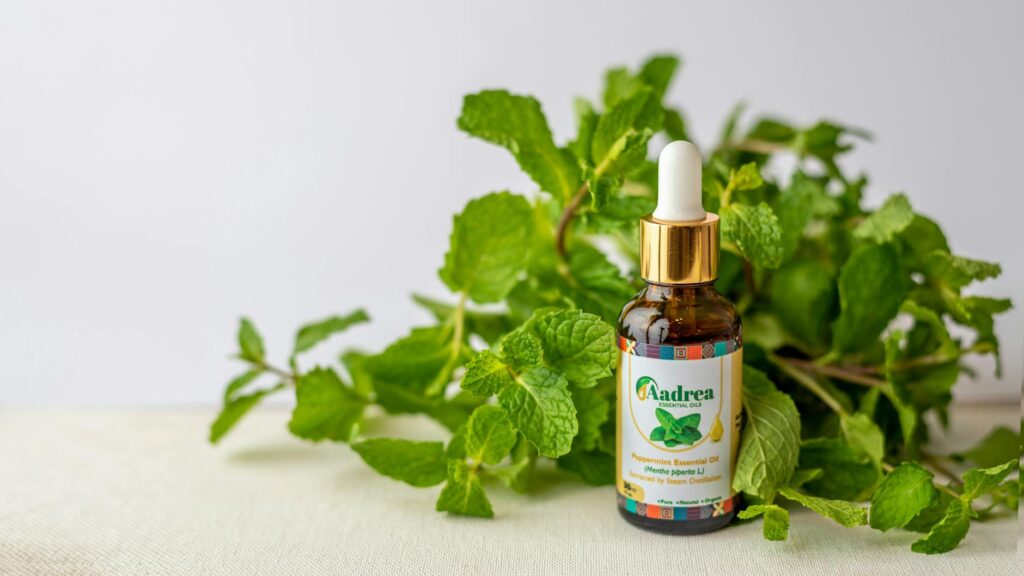
History and Origins of Peppermint Oil
Introduction
Peppermint oil, a popular essential oil within the realms of aromatherapy and natural wellness, possesses a rich history that dates back thousands of years. Its distinct aroma and flavor have made it a staple in culinary, medicinal, and cosmetic applications around the globe. This article explores the origins, benefits, uses, and safety considerations associated with peppermint oil, providing readers with a comprehensive understanding of this fascinating botanical extract.
What Is Peppermint Oil?
Peppermint oil is an essential oil derived from the leaves of the peppermint plant (Mentha × piperita), a hybrid of watermint (Mentha aquatica) and spearmint (Mentha spicata). The oil is extracted primarily through steam distillation, which captures the volatile compounds responsible for its characteristic scent and therapeutic properties.
The peppermint plant is native to Europe and the Mediterranean region but has since been cultivated worldwide. The oil itself contains a variety of active compounds, including menthol, menthone, and pulegone, which contribute to its unique characteristics and benefits.
Key Benefits and Properties
Peppermint oil is celebrated for its various beneficial properties, which can be attributed to its chemical composition. Some of the key properties include:
- Antimicrobial: Studies have shown that peppermint oil exhibits antimicrobial activity against a variety of pathogens, making it useful in cleaning applications and personal care products.
- Anti-inflammatory: The oil has been noted for its potential to reduce inflammation, which can be beneficial in soothing discomfort associated with minor aches and pains.
- Digestive Aid: Historically, peppermint has been used to alleviate digestive issues. The oil is often associated with relief from symptoms such as bloating and indigestion.
- Cooling Sensation: The presence of menthol creates a cooling effect when applied to the skin or inhaled, which can refresh and invigorate the senses.
- Culinary Uses: Peppermint oil is commonly used to flavor foods and beverages, particularly in desserts, teas, and candies. Its strong flavor is potent, so it is typically used in moderation.
- Cosmetics and Personal Care: The oil is found in many cosmetic products, including shampoos, lotions, and soaps, due to its refreshing scent and potential skin benefits.
- Cleaning Products: The antimicrobial properties of peppermint oil make it a popular ingredient in natural cleaning products, where it contributes both to effectiveness and fragrance.
- Insect Repellent: The scent of peppermint oil has been found to repel certain insects, making it a natural option for insect control.
- Diffusion: Adding peppermint oil to a diffuser can help create an energizing atmosphere, promoting alertness and concentration.
- Inhalation: Inhaling peppermint oil directly from the bottle or on a cotton ball may provide immediate relief from feelings of fatigue and mental fog.
- Massage: When diluted with a carrier oil, peppermint oil can be used in massage practices to alleviate muscle tension and promote relaxation.
- Baths: Adding a few drops of peppermint oil to bathwater can create a refreshing and invigorating experience, enhancing relaxation while providing a cooling sensation.
- Dilution: It is crucial to dilute peppermint oil with a carrier oil before applying it to the skin to avoid irritation. A common dilution ratio is 2-5% (2-5 drops of essential oil per teaspoon of carrier oil).
- Sensitivities: Some individuals may experience allergic reactions or skin sensitivities to peppermint oil. It is advisable to conduct a patch test on a small area of skin before widespread application.
- Pregnancy and Nursing: Pregnant and nursing women should consult a healthcare professional before using peppermint oil, as its effects during these periods are not well-documented.
- Children: Peppermint oil is not recommended for use on young children, particularly infants, due to the potential for respiratory distress and skin irritation.
- Containers: Store peppermint oil in a dark glass bottle to protect it from light and degradation.
- Cool Environment: Keep the oil in a cool, dry place away from direct sunlight and heat sources, which can accelerate oxidation.
- Shelf Life: When stored correctly, peppermint oil typically has a shelf life of 3 to 5 years. However, its efficacy may diminish over time, so it is advisable to check for changes in aroma or consistency before use.
Common Uses
Peppermint oil is versatile and can be utilized in various applications, including:
Aromatherapy Applications
In aromatherapy, peppermint oil is utilized for its uplifting and invigorating properties. Some common applications include:
Safety Considerations
While peppermint oil is generally regarded as safe for topical and aromatic use, several safety considerations are essential to keep in mind:
Storage and Shelf Life
To maintain the quality and efficacy of peppermint oil, proper storage is essential:
Frequently Asked Questions
1. Can peppermint oil be ingested?
While peppermint oil is used in culinary applications, it is essential to use food-grade essential oils and consult a knowledgeable source before ingesting. The concentration of the oil can vary, and incorrect dosages may lead to adverse effects.
2. Is peppermint oil safe for pets?
Peppermint oil should be used with caution around pets. Cats, in particular, are sensitive to essential oils, and ingestion or topical application can be harmful. Always consult with a veterinarian before using peppermint oil in a household with pets.
3. Can peppermint oil help with headaches?
Many individuals report that inhaling peppermint oil or applying a diluted form to the temples provides relief from tension headaches. However, results can vary, and it is not a guaranteed solution.
4. How can I incorporate peppermint oil into my wellness routine?
Consider using peppermint oil in a diffuser, adding it to bathwater, or diluting it for massage. Its invigorating scent can enhance focus during work or study sessions.
5. What should I do if I experience skin irritation after using peppermint oil?
If you experience skin irritation, immediately discontinue use and wash the affected area with soap and water. If irritation persists, consider consulting a healthcare professional.
Conclusion
The history and origins of peppermint oil are as rich as its myriad of uses and benefits. From ancient times to modern-day applications, this essential oil continues to be celebrated for its aromatic and therapeutic properties. Whether used in cooking, personal care, or aromatherapy, peppermint oil remains a beloved staple in many households around the world. Understanding its origins, benefits, and safety considerations can help individuals make informed decisions about incorporating this versatile oil into their daily lives.