
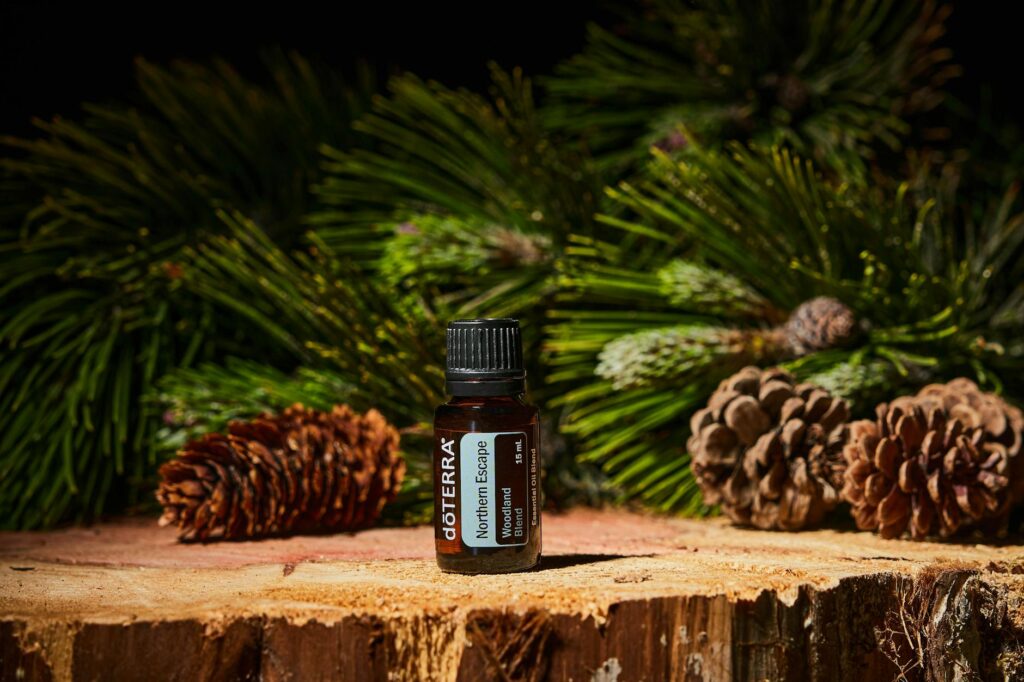
History and Origins of Pine Essential Oil
Introduction
Pine essential oil has been revered for centuries, both for its aromatic qualities and its numerous applications in various practices. This article explores the rich history and origins of pine essential oil, delving into its properties, uses, and significance in aromatherapy. From ancient civilizations to modern-day applications, the journey of pine essential oil reflects humanity’s enduring relationship with nature and its resources.
What Is Pine Essential Oil?
Pine essential oil is derived from the needles, twigs, and cones of various species of pine trees, which belong to the Pinaceae family. The most common species used for essential oil extraction include Pinus sylvestris (Scots pine), Pinus pinaster (maritime pine), and Pinus strobus (eastern white pine). The oil is typically extracted through steam distillation, a process that captures the volatile compounds that contribute to its distinctive fragrance and therapeutic properties.
The oil has a fresh, woody, and resinous scent, often associated with the great outdoors. Its chemical composition primarily includes monoterpenes such as α-pinene, β-pinene, and limonene, which are responsible for its uplifting aroma and various beneficial properties.
Key Benefits and Properties
Pine essential oil is celebrated for its numerous benefits, which can be categorized into physical, mental, and emotional properties:
1. Antimicrobial Properties: Research has suggested that pine essential oil possesses antimicrobial qualities, making it a popular choice for natural cleaning products and diffusers.
2. Respiratory Support: The fresh scent of pine is often associated with respiratory benefits. It is believed to help clear airways and promote easier breathing.
3. Mood Enhancement: The invigorating aroma of pine is known to uplift the spirit, reduce stress, and enhance overall mood, making it a favored choice in aromatherapy.
4. Anti-inflammatory Effects: Some studies have indicated that certain compounds in pine essential oil may help reduce inflammation, contributing to its use in topical applications.
5. Insect Repellent: The scent of pine is known to deter various insects, making it a natural alternative to chemical repellents.
Common Uses
Pine essential oil is versatile and can be used in various applications:
- Aromatherapy: Used in diffusers, inhalers, or during massage to promote relaxation and mental clarity.
- Cleaning Products: Incorporated into homemade cleaning solutions for its antimicrobial properties and refreshing scent.
- Topical Applications: Blended with carrier oils for use in massage or skin care, particularly for its soothing and anti-inflammatory properties.
- Bath Products: Added to bath oils or salts for a refreshing and revitalizing bathing experience.
- Dilution: Always dilute essential oils with a carrier oil before applying them to the skin to prevent irritation.
- Allergies: Conduct a patch test before using pine essential oil topically, as some individuals may have sensitivities or allergies.
- Pregnancy and Nursing: Pregnant or nursing women should consult a healthcare professional before using essential oils.
- Children: Essential oils should be used with caution around children, and it is advisable to consult with a healthcare provider for guidance.
- Storage: Proper storage of essential oils is essential to maintain their potency and effectiveness.
- Containers: Store the oil in dark glass bottles to protect it from light exposure, which can degrade its quality.
- Temperature: Keep the oil in a cool, dry place, away from direct sunlight and heat sources. Excessive heat can cause the oil to oxidize and lose its beneficial properties.
- Shelf Life: Generally, pine essential oil has a shelf life of about 3 to 4 years, depending on storage conditions and the specific species of pine. Regularly check for any changes in smell or appearance, which may indicate degradation.
Aromatherapy Applications
In aromatherapy, pine essential oil holds a special place due to its uplifting and energizing properties. Some common methods of application include:
1. Diffusion: Adding a few drops of pine essential oil to a diffuser can create a refreshing atmosphere, helping to purify the air and enhance mental clarity.
2. Inhalation: Inhaling the aroma directly from the bottle or a cotton ball can provide immediate emotional upliftment and clarity.
3. Massage: When diluted with a carrier oil, pine essential oil can be used for therapeutic massage, helping to ease tension and promote relaxation.
4. Bathing: Incorporating pine essential oil into baths can enhance the experience, providing a sense of calm and invigoration.
5. Meditation: The grounding scent of pine can create a serene environment conducive to meditation and mindfulness practices.
Safety Considerations
While pine essential oil is generally considered safe for most individuals when used appropriately, there are several important safety considerations:
Storage and Shelf Life
To ensure the longevity and quality of pine essential oil, proper storage practices are crucial:
Frequently Asked Questions
1. How is pine essential oil extracted?
Pine essential oil is typically extracted through steam distillation, where steam is passed through the plant material, vaporizing the volatile compounds. The steam is then cooled, allowing the oil to separate from the water.
2. Can I use pine essential oil in a diffuser?
Yes, pine essential oil can be used in a diffuser. Adding a few drops to a diffuser can create a refreshing and uplifting atmosphere.
3. Is pine essential oil safe for topical use?
Pine essential oil should be diluted with a carrier oil before topical application to minimize the risk of skin irritation. Conduct a patch test to check for any allergic reactions.
4. Can pine essential oil help with respiratory issues?
While many people find the aroma of pine helpful for respiratory support, it is important to consult a healthcare professional for any specific concerns or conditions.
5. How should I store pine essential oil?
Pine essential oil should be stored in a dark glass bottle in a cool, dry place, away from direct sunlight and heat to maintain its quality.
Conclusion
The history and origins of pine essential oil are deeply intertwined with human culture, tradition, and natural healing practices. Its invigorating scent and numerous applications in aromatherapy and wellness make it a beloved choice among essential oil enthusiasts. Understanding its benefits, uses, and safety considerations can enhance your appreciation for this remarkable oil and its place in the world of natural remedies. Whether you are a seasoned practitioner or new to essential oils, pine essential oil offers a refreshing connection to nature and its healing properties.