
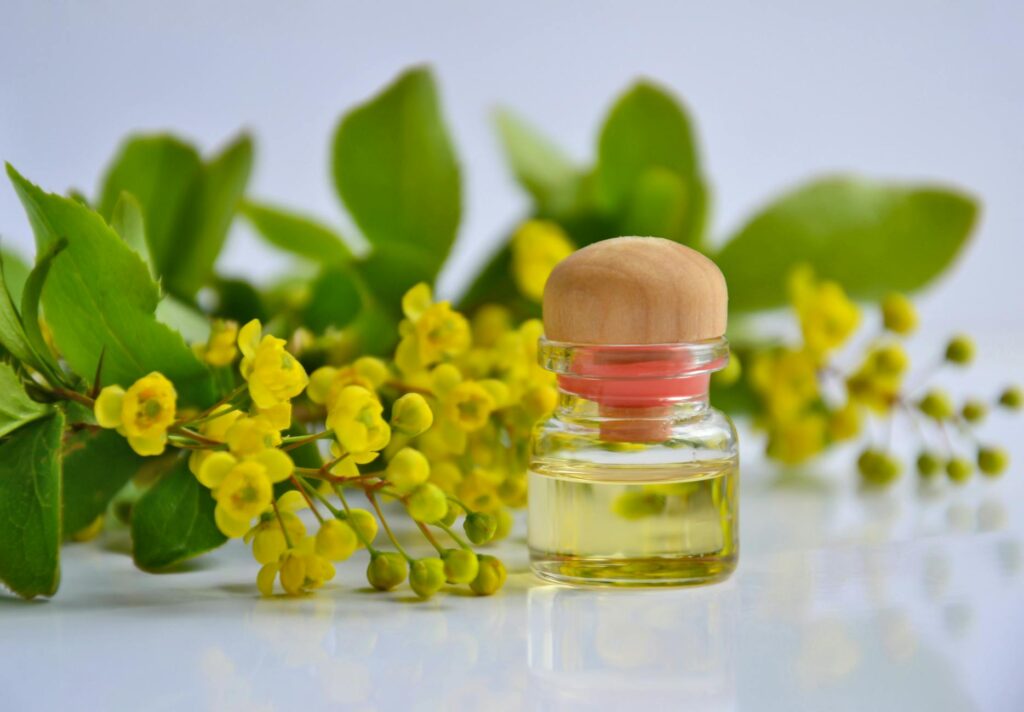
History and Origins of Pistachio Oil
Introduction
Pistachio oil, derived from the seeds of the Pistacia vera tree, is a lesser-known but increasingly popular oil in both culinary and therapeutic applications. With origins dating back thousands of years, this oil carries a rich history intertwined with ancient cultures and practices. As we explore the lineage and uses of pistachio oil, we will uncover its key benefits, applications in aromatherapy, and storage considerations.
What Is Pistachio Oil?
Pistachio oil is extracted from the nuts of the pistachio tree, a member of the Anacardiaceae family. This tree is native to the Middle East and Central Asia, with historical evidence suggesting a cultivation history that stretches back over 2,000 years. The oil is typically cold-pressed from the roasted or unroasted seeds, yielding a product that retains the rich flavor and nutritional profile of the pistachio nut.
Characterized by its distinct green hue and nutty aroma, pistachio oil is high in monounsaturated fats, essential fatty acids, and various antioxidants. It has gained recognition not only for its culinary properties but also for its potential benefits in skin care and holistic health practices.
Key Benefits and Properties
Pistachio oil is celebrated for its unique composition, which contributes to its numerous benefits:
1. Nutrient-Rich Profile: Rich in vitamins (such as Vitamin E) and minerals, pistachio oil supports overall health. Its high levels of monounsaturated fats, particularly oleic acid, are known to be heart-healthy.
2. Antioxidant Properties: The oil contains antioxidants that help combat oxidative stress and can support skin health by reducing the appearance of fine lines and promoting elasticity.
3. Moisturizing Agent: Its emollient properties make pistachio oil an effective moisturizer, ideal for dry or sensitive skin. It absorbs easily without leaving a greasy residue.
4. Anti-Inflammatory Effects: Some studies suggest that the oil may have anti-inflammatory properties, which can be beneficial in soothing irritated skin and promoting overall skin health.
5. Flavor Enhancer: In culinary applications, pistachio oil adds a distinctive nutty flavor that enhances various dishes, from salads to desserts.
Common Uses
Pistachio oil has several applications, both culinary and therapeutic:
Culinary Uses
- Salad Dressings: Its rich flavor makes it an excellent choice for salad dressings, often combined with vinegar or citrus juice.
- Cooking Oil: While it has a relatively low smoke point, it can be used for light sautéing or drizzling over finished dishes.
- Baking: Pistachio oil can be used in baking to impart a unique flavor to cookies, cakes, and pastries.
- Flavoring Agent: It can enhance the taste of sauces, marinades, and even ice creams.
- Skin Care: Due to its moisturizing properties, pistachio oil is commonly found in lotions, creams, and serums.
- Hair Care: It can be used as a hair oil to nourish and strengthen hair, providing shine and reducing frizz.
- Massage Oil: Its pleasant aroma and texture make it a popular choice for use in massage therapy.
- Allergies: Individuals with nut allergies should exercise caution, as pistachio oil may trigger allergic reactions.
- Skin Sensitivity: Conduct a patch test before applying the oil topically to ensure no adverse reactions occur. Diluting the oil with a carrier oil is recommended for those with sensitive skin.
- Pregnancy and Nursing: Pregnant or nursing women should consult a healthcare professional before using pistachio oil for therapeutic purposes.
- Cool, Dark Place: Store the oil in a cool, dark place away from direct sunlight. A pantry or cupboard is ideal.
- Sealed Container: Always keep the oil in a tightly sealed container to prevent oxidation and rancidity.
- Refrigeration: For long-term storage, refrigeration can help preserve the oil’s freshness. However, allowing the oil to return to room temperature before use is recommended, as cold oil can be thick and difficult to pour.
Cosmetic Uses
Aromatherapy Applications
In the realm of aromatherapy, pistachio oil is gaining attention for its calming and grounding properties. Although it is not as widely used as other essential oils, its unique scent can provide a comforting environment. Here are a few ways pistachio oil can be incorporated into aromatherapy:
1. Diffusion: When diffused, pistachio oil can create a soothing atmosphere, ideal for relaxation and stress relief. It can be blended with other essential oils such as lavender or chamomile for enhanced effects.
2. Inhalation: Inhaling the scent directly from the bottle or a cotton ball can help calm the mind and promote a sense of peace.
3. Massage Blends: Combining pistachio oil with essential oils can enhance the benefits of massage, creating a relaxing experience that helps relieve tension in the body.
Safety Considerations
When using pistachio oil, it is essential to keep a few safety considerations in mind:
Storage and Shelf Life
To maintain the quality and extend the shelf life of pistachio oil, proper storage is crucial:
The shelf life of pistachio oil is generally around 12 to 24 months, depending on the extraction method and storage conditions. Always check for any changes in smell, color, or consistency before using.
Frequently Asked Questions
Is pistachio oil safe for cooking?
Yes, pistachio oil can be used for cooking, but it is best suited for low-heat applications due to its low smoke point. It is excellent for drizzling over dishes or in salad dressings.
Can I use pistachio oil on my skin?
Pistachio oil is often used in skincare products and can be applied topically. However, it is advisable to conduct a patch test first to ensure compatibility with your skin.
How does pistachio oil compare to other nut oils?
Pistachio oil has a unique flavor profile and a rich nutrient composition compared to other nut oils. It is particularly high in monounsaturated fats and vitamin E, making it a heart-healthy option.
Where can I purchase pistachio oil?
Pistachio oil can be found at specialty grocery stores, health food stores, and online retailers. Always look for high-quality, cold-pressed oils for the best flavor and nutritional benefits.
Conclusion
Pistachio oil is a versatile and nutrient-rich oil with a history that spans thousands of years. From its culinary uses to its applications in aromatherapy and skin care, it offers a myriad of benefits. By understanding its origins, benefits, and proper usage, one can appreciate this unique oil and incorporate it into various aspects of daily life. As the interest in natural oils continues to grow, pistachio oil stands out as a delightful addition to both kitchens and holistic practices.