
History and Origins of Prickly Pear Seed Oil
Introduction
Prickly pear seed oil, also known as cactus seed oil, has garnered significant attention in recent years due to its myriad benefits and applications in the realms of beauty, skincare, and wellness. This oil is derived from the seeds of the prickly pear cactus (Opuntia ficus-indica), a plant native to arid regions of the Americas. Understanding the origins and historical significance of prickly pear seed oil provides valuable insight into its cultural relevance, extraction methods, and extensive benefits.
What Is Prickly Pear Seed Oil?
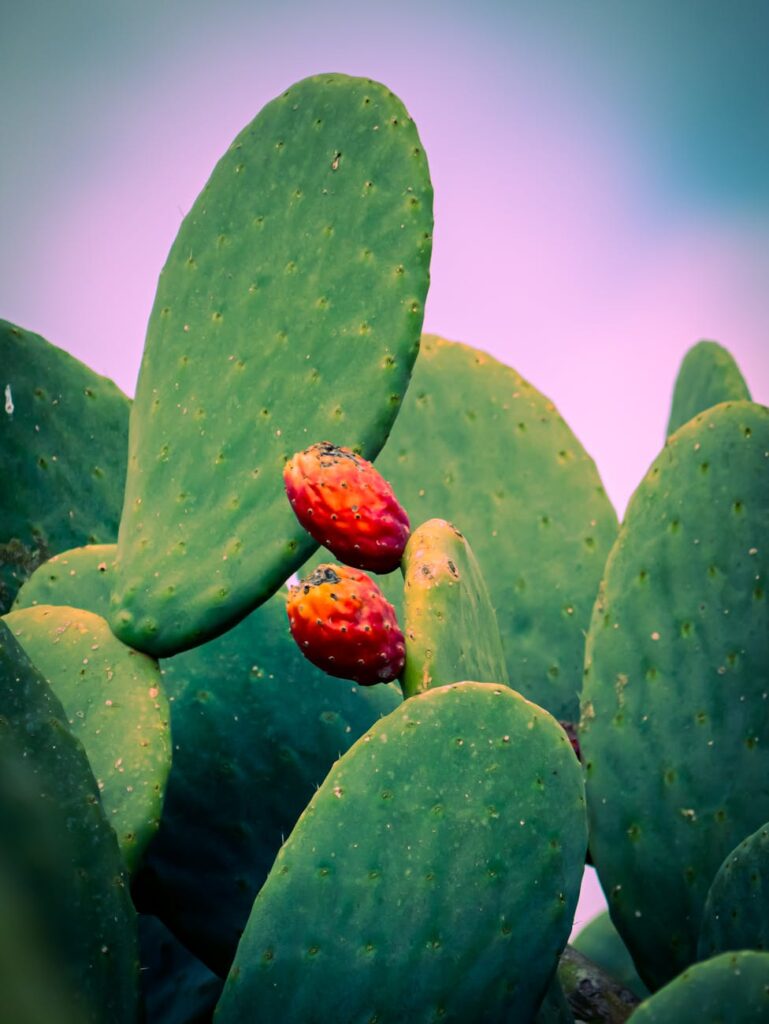
Prickly pear seed oil is a cold-pressed oil extracted from the seeds of the prickly pear cactus, a member of the Cactaceae family. The prickly pear, also known as the Indian fig or nopales, is characterized by its flat, paddle-like pads and vibrant fruits, which are sometimes referred to as “tunas.” The process of extracting oil from the seeds is labor-intensive, as it takes approximately 1,000 kilograms of prickly pear fruit to produce just one liter of oil.
Rich in essential fatty acids, vitamins, and antioxidants, prickly pear seed oil boasts a light texture that makes it particularly suitable for use in cosmetics and skincare formulations. Its unique composition makes it an appealing choice for those seeking natural alternatives to chemically-laden products.
Key Benefits and Properties
Prickly pear seed oil is celebrated for its impressive nutrient profile, which includes:
- Fatty Acids: High levels of linoleic acid (omega-6) and oleic acid (omega-9) contribute to its moisturizing properties. These fatty acids help to maintain the skin’s barrier function and prevent moisture loss.
- Vitamin E: A powerful antioxidant, vitamin E helps to combat oxidative stress and protect the skin from environmental damage. It also promotes skin healing and reduces inflammation.
- Phytosterols: These compounds have anti-inflammatory properties and are known to support skin barrier function, making prickly pear seed oil beneficial for sensitive or compromised skin.
- Antioxidants: The oil contains various antioxidants that help fight free radicals, promoting overall skin health and potentially delaying signs of aging.
- Moisturizers: Due to its lightweight texture and high levels of essential fatty acids, it is commonly used in facial oils and creams to provide hydration without clogging pores.
- Anti-Aging Products: The oil’s rich antioxidant content makes it a popular ingredient in serums and creams designed to combat signs of aging, such as fine lines and wrinkles.
- Scar Treatment: Its regenerative properties make prickly pear seed oil suitable for use on scars, stretch marks, and uneven skin tone.
- Hair Oils: The oil can be used as a leave-in conditioner or scalp treatment, providing nourishment to dry or damaged hair and promoting shine.
- Styling Products: It is often incorporated into hair serums and styling creams to add moisture and control frizz.
These properties make prickly pear seed oil a valuable ingredient in skincare formulations, known for its ability to hydrate, nourish, and improve skin elasticity.
Common Uses
Prickly pear seed oil has a wide range of applications across various industries, including:
Skincare
Haircare
Culinary Uses
While the oil is primarily known for its cosmetic applications, it is also gaining recognition in culinary contexts. Prickly pear seed oil can be used as a finishing oil in salad dressings or drizzled over dishes to add a unique flavor profile and nutritional benefits.
Aromatherapy Applications
In the field of aromatherapy, prickly pear seed oil is often used for its grounding and calming properties. Although it may not be as widely recognized in this context as other essential oils, its gentle nature makes it a suitable carrier oil for diluting essential oils. When blended with essential oils such as lavender or chamomile, prickly pear seed oil can enhance relaxation and promote emotional well-being.
It is important to note that prickly pear seed oil should not be used as a standalone essential oil; rather, it serves as a carrier that facilitates the application of more potent essential oils. Its light texture makes it an ideal base for creating aromatic blends for massage or skincare.
Safety Considerations
Prickly pear seed oil is generally considered safe for topical use. However, as with any new product, it is advisable to conduct a patch test before widespread application to rule out any allergic reactions. Individuals with known allergies to other cactus species should exercise caution.
For those interested in using prickly pear seed oil in culinary applications, it is essential to source food-grade oil from reputable suppliers to ensure quality and safety. As with any oil, moderation is key, and individuals should consult labeling guidelines and dietary recommendations.
Storage and Shelf Life
To maintain the quality and efficacy of prickly pear seed oil, proper storage is crucial. The oil should be kept in a cool, dark place, away from direct sunlight and heat sources. Storing it in a glass container, preferably amber or cobalt, can help protect it from light exposure, which may degrade its quality over time.
The shelf life of prickly pear seed oil is typically around 12 to 24 months when stored correctly. It is advisable to check for any signs of rancidity, such as off odors or changes in color, before use.
Frequently Asked Questions
How is prickly pear seed oil extracted?
Prickly pear seed oil is extracted through a cold-pressing process, where the seeds are mechanically pressed to release the oil. This method helps retain the oil’s beneficial properties without the use of heat or chemicals.
Can prickly pear seed oil be used on all skin types?
Yes, prickly pear seed oil is generally well-tolerated by all skin types, including sensitive skin. Its lightweight texture and moisturizing properties make it suitable for oily, dry, and combination skin.
Is prickly pear seed oil suitable for use during pregnancy?
While prickly pear seed oil is considered safe for topical use, it is always advisable for pregnant individuals to consult with a healthcare professional before introducing new products into their skincare routine.
How do I incorporate prickly pear seed oil into my skincare routine?
Prickly pear seed oil can be used as a standalone moisturizer or blended with other oils and skincare products. It can be applied directly to the skin or mixed into creams and serums for added hydration and nourishment.
Where can I purchase high-quality prickly pear seed oil?
High-quality prickly pear seed oil can be found at health food stores, specialty beauty retailers, and online marketplaces. It is important to look for pure, cold-pressed oil to ensure maximum benefits.
Conclusion
Prickly pear seed oil, with its rich history and impressive array of benefits, has established itself as a valuable ingredient in the beauty and wellness industries. Its origins in traditional cultures, coupled with modern applications, underscore its versatility and appeal. As interest in natural and sustainable products continues to grow, the significance of prickly pear seed oil is likely to expand, offering a glimpse into the rich tapestry of nature’s offerings.