
History and Origins of Pumpkin Seed Oil
Introduction
Pumpkin seed oil, known for its rich, nutty flavor and vibrant green hue, has a long history that intertwines with various cultural practices and culinary traditions. While commonly used today in cooking and as a supplement, its origins date back centuries, with numerous civilizations recognizing its benefits. This article explores the history and origins of pumpkin seed oil, including its production, benefits, uses, and the role it plays in aromatherapy.
What Is Pumpkin Seed Oil?
Pumpkin seed oil is derived from the seeds of the pumpkin (Cucurbita pepo), a plant native to North America but cultivated in various parts of the world. The oil is extracted through cold-pressing, a method that preserves the oil’s nutritional integrity by avoiding heat that can degrade its quality. This oil is characterized by its dark green color, nutty aroma, and distinct taste, making it a popular addition to salads, dressings, and various culinary dishes.
Historically, pumpkin seeds have been consumed for their health benefits, but it was not until the production of pumpkin seed oil became popular in the 18th century that it gained wider recognition for its culinary and medicinal properties.
Key Benefits and Properties
Pumpkin seed oil is rich in essential fatty acids, antioxidants, vitamins, and minerals. Some of its key constituents include:
- Omega Fatty Acids: Particularly omega-3 and omega-6 fatty acids, which are known for their role in maintaining heart health.
- Vitamins: Rich in vitamin E, a powerful antioxidant that helps combat oxidative stress in the body.
- Minerals: Contains important minerals such as zinc, magnesium, iron, and copper, which contribute to overall health.
- Supporting cardiovascular health
- Promoting healthy skin and hair
- Contributing to prostate health
- Aiding in digestive health
- Salad Dressings: Its robust taste enhances vinaigrettes and dressings.
- Drizzling: Often drizzled over roasted vegetables, soups, or pasta for added flavor.
- Baking: Incorporated into baked goods for a nutty flavor profile.
- Allergies: Individuals with allergies to pumpkin or related plants should avoid pumpkin seed oil.
- Quality: It is essential to choose high-quality, cold-pressed pumpkin seed oil to ensure maximum nutritional benefits and avoid potential additives or preservatives.
- Consultation: Those with existing health conditions or concerns should consult a qualified healthcare provider before incorporating new oils or supplements into their routines.
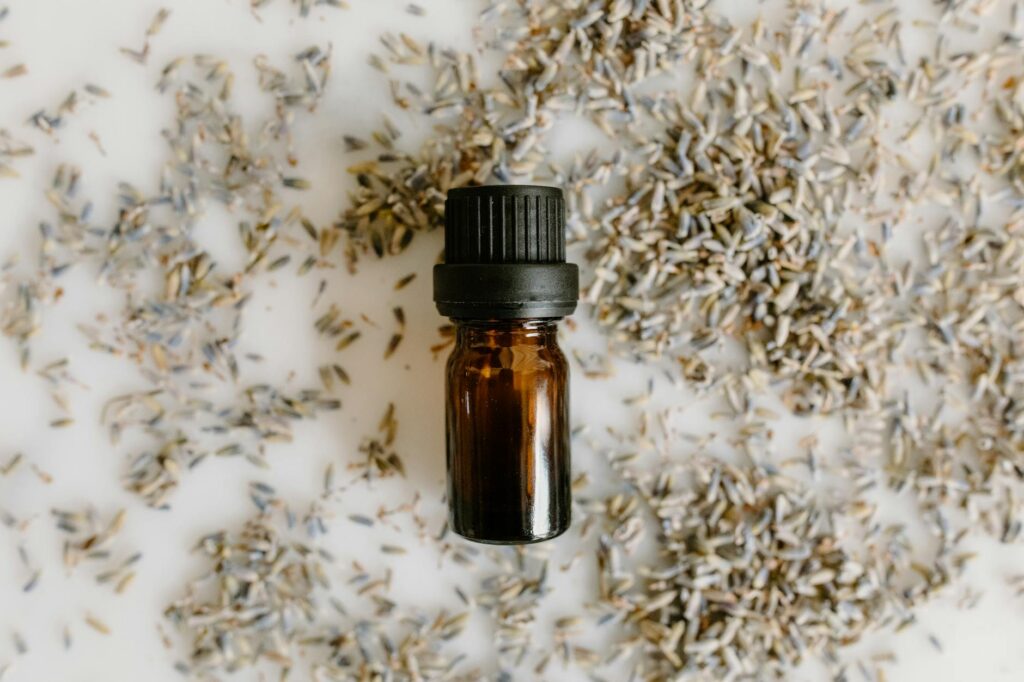
- Container: Store in a dark glass bottle to protect the oil from light, which can degrade its quality.
- Location: Keep the oil in a cool, dark place, such as a pantry or refrigerator, to prevent rancidity.
- Shelf Life: When properly stored, pumpkin seed oil typically has a shelf life of 6 to 12 months. Always check for changes in smell or appearance before use.
The combination of these nutrients gives pumpkin seed oil several potential benefits, including:
While many of these benefits are well-documented, it is essential to note that individual results may vary, and pumpkin seed oil should not be considered a substitute for professional medical advice.
Common Uses
Historically, pumpkin seed oil has been used in various applications, reflecting its versatility:
Culinary Uses
In culinary settings, pumpkin seed oil is valued for its unique flavor, which adds depth to dishes. It is commonly used in:
Traditional Medicine
In various cultures, pumpkin seeds and oil have been employed in traditional remedies. For instance, Native American tribes used pumpkin seeds for their nutritional benefits, while in Europe, the oil became a popular remedy for various ailments.
Aromatherapy Applications
While pumpkin seed oil is not as widely recognized in aromatherapy as other essential oils, its rich nutrient profile and potential therapeutic benefits have led to its inclusion in some holistic practices. In aromatherapy, it may be used in the following ways:
Carrier Oil
Pumpkin seed oil serves as an excellent carrier oil for essential oils due to its skin-nourishing properties. It can dilute stronger essential oils for topical applications, making it suitable for massage blends and skin treatments.
Aromatic Blends
Due to its mild, nutty scent, pumpkin seed oil can be blended with other essential oils to create unique aromatic experiences. It pairs well with oils such as lavender, cedarwood, and bergamot, enhancing both the fragrance and therapeutic properties of the blend.
Safety Considerations
While pumpkin seed oil is generally considered safe for consumption and topical use, a few considerations should be kept in mind:
Storage and Shelf Life
Proper storage is crucial to maintaining the quality and freshness of pumpkin seed oil. Here are some guidelines:
Frequently Asked Questions
1. How is pumpkin seed oil made?
Pumpkin seed oil is made by cold-pressing the seeds of the pumpkin plant. The seeds are cleaned, roasted, and then mechanically pressed to extract the oil.
2. Can pumpkin seed oil be used for cooking?
Yes, pumpkin seed oil can be used in cooking, particularly in salad dressings, marinades, and as a finishing oil. However, it is not recommended for high-heat cooking due to its low smoke point.
3. Is pumpkin seed oil suitable for all skin types?
Pumpkin seed oil is generally well-tolerated and can be beneficial for most skin types. However, those with specific skin concerns should conduct a patch test or consult a skin care professional.
4. How can I incorporate pumpkin seed oil into my diet?
You can incorporate pumpkin seed oil into your diet by using it in salad dressings, drizzling it over cooked vegetables, integrating it into smoothies, or using it in baking recipes.
5. Is there a difference between culinary and cosmetic pumpkin seed oil?
Culinary pumpkin seed oil is typically made from roasted seeds and has a stronger flavor, while cosmetic pumpkin seed oil is cold-pressed from raw seeds and is used for skin and hair care. Each type serves a different purpose based on its extraction method.
Conclusion
The history and origins of pumpkin seed oil reflect its significance across various cultures and its enduring appeal in modern culinary and wellness practices. This oil, with its rich nutrient profile and versatile applications, continues to provide benefits that resonate with both traditional wisdom and contemporary health trends. Whether used in cooking, as a supplement, or in aromatherapy, pumpkin seed oil holds a valued place in the world of natural oils and their myriad uses.