
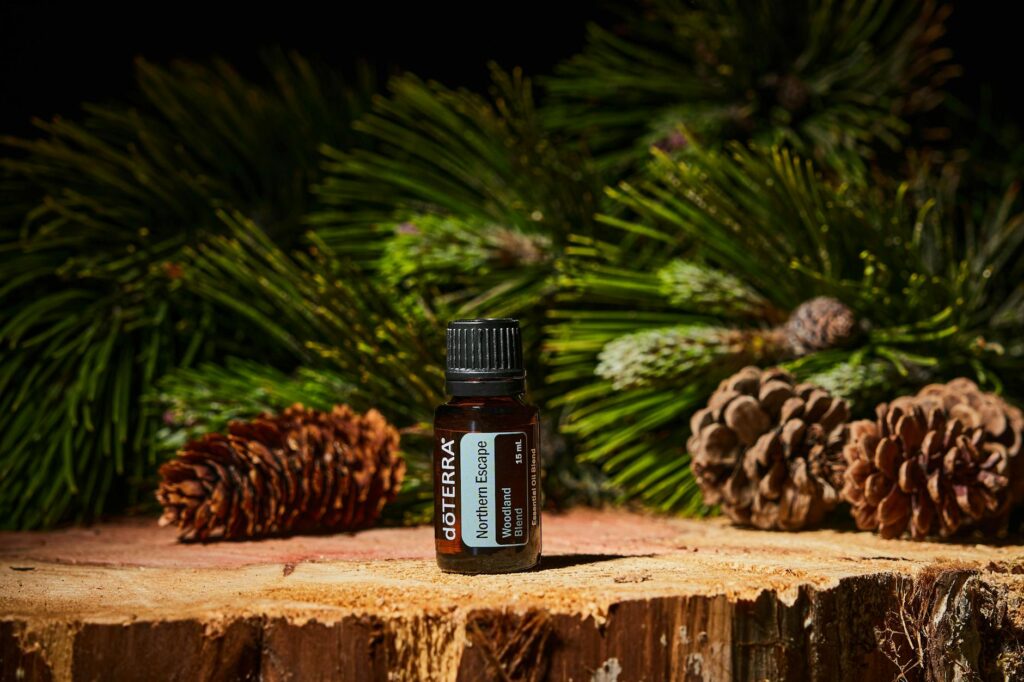
History and Origins of Relaxation Blends
Introduction
The use of essential oils and aromatherapy has roots that extend deep into ancient civilizations, where natural plant extracts were revered for their therapeutic properties. Among the diverse array of essential oil applications, relaxation blends have gained prominence as a popular choice for promoting calmness and tranquility. This article explores the history and origins of relaxation blends, delving into their composition, benefits, applications, and safety considerations.
What Is Relaxation Blends?
Relaxation blends are specifically formulated mixtures of essential oils designed to evoke feelings of calmness and reduce tension. The oils used in these blends are typically derived from various plant sources, each contributing unique aromatic and therapeutic properties. Common ingredients in relaxation blends include lavender, chamomile, bergamot, and frankincense, among others. These combinations can be applied in various forms, such as diffusers, massage oils, or bath products, to create an atmosphere conducive to relaxation.
Key Benefits and Properties
The primary purpose of relaxation blends is to promote mental and emotional well-being. While individual responses to essential oils can vary, several key benefits are often associated with these blends:
1. Stress Reduction: Many essential oils used in relaxation blends are known for their calming effects. They can help alleviate feelings of anxiety and stress, promoting a sense of peace.
2. Improved Sleep Quality: Relaxation blends are often employed to enhance sleep quality. Oils like lavender and chamomile are frequently associated with improved sleep and reduced insomnia symptoms.
3. Emotional Balance: Certain essential oils have mood-enhancing properties that can help stabilize emotions, providing a sense of emotional equilibrium.
4. Physical Relaxation: The soothing properties of relaxation blends may also aid in muscle relaxation, reducing physical tension and discomfort.
5. Enhanced Meditative Practices: Many individuals use relaxation blends to enhance meditation and mindfulness practices, creating a sensory environment that fosters deeper concentration and reflection.
Common Uses
Relaxation blends can be utilized in a variety of ways, each offering unique experiences and benefits:
- Diffusion: One of the most popular methods for using relaxation blends is through diffusion. Adding a few drops of the blend to a diffuser disperses the aroma into the air, creating a calming environment.
- Topical Application: When diluted with a carrier oil, relaxation blends can be applied to the skin for massage or localized relief. This method allows the essential oils to penetrate the skin and provide their benefits directly.
- Bathing: Incorporating relaxation blends into bath water can create a spa-like experience. The warm water helps to release the oils’ properties, enhancing relaxation.
- Inhalation: Simple inhalation of relaxation blends, either directly from the bottle or from a cotton ball, can provide immediate calming effects.
- Sleep Aids: Many individuals place relaxation blends on their pillows or use them in sleep sprays to aid in falling asleep more easily.
- Massage Therapy: In a therapeutic setting, relaxation blends can be combined with massage oils to enhance the overall relaxation experience and promote deeper tissue relaxation.
- Yoga and Meditation: Many practitioners incorporate relaxation blends into their yoga and meditation practices, using the aromas to ground their focus and enhance their spiritual connection.
- Spa Treatments: Spa facilities frequently utilize relaxation blends in treatments such as facials, body wraps, and aromatherapy baths, providing clients with a holistic relaxation experience.
- Home Environment: Relaxation blends can be integrated into home environments through candles, potpourri, or room sprays, creating a calming atmosphere conducive to relaxation.
- Dilution: Essential oils are potent substances that should be diluted before topical application. Carrier oils such as jojoba, coconut, or sweet almond oil are commonly used for this purpose.
- Patch Testing: Before applying a new blend to a larger area of the skin, it is advisable to conduct a patch test. Apply a small amount of the diluted blend to an inconspicuous area and observe for any adverse reactions.
- Pregnancy and Nursing: Certain essential oils may not be safe for use during pregnancy or nursing. Always consult a qualified professional if in doubt.
- Allergies and Sensitivities: Individuals with allergies or sensitivities should be cautious, as some essential oils can trigger allergic reactions. It is advisable to research the specific oils used in a relaxation blend.
- Consultation with Professionals: For those with underlying health conditions or concerns, consulting with a qualified aromatherapist or healthcare professional is recommended before using essential oils.
- Dark Glass Containers: Essential oils should be stored in dark glass containers to protect them from light, which can degrade their quality over time.
- Cool and Dry Environment: Keeping essential oils in a cool, dry place away from direct sunlight and heat sources will help prolong their shelf life.
- Expiration Dates: While essential oils do not have a strict expiration date, they can degrade over time. Most essential oils have a shelf life of 1 to 2 years, while some might last longer. Regularly checking for changes in aroma or consistency can help determine their viability.
Aromatherapy Applications
The applications of relaxation blends in aromatherapy are vast and varied. Aromatherapy practitioners often tailor blends to individual preferences and needs, allowing for a personalized approach to relaxation. Here are some common applications:
Safety Considerations
While relaxation blends can be highly beneficial, it is essential to approach their use with caution. Here are some safety considerations to keep in mind:
Storage and Shelf Life
Proper storage of essential oils and relaxation blends is crucial for maintaining their efficacy and potency. Here are some guidelines:
Frequently Asked Questions
1. What are the most common essential oils used in relaxation blends?
Common essential oils in relaxation blends include lavender, chamomile, bergamot, frankincense, ylang-ylang, and sandalwood. Each oil has unique properties that contribute to the calming effects of the blend.
2. Can I create my own relaxation blend?
Yes, creating your own relaxation blend can be a rewarding experience. Start with a base oil and add essential oils that resonate with you. Experiment with different ratios until you find a combination you enjoy.
3. How can I use relaxation blends for better sleep?
To use relaxation blends for sleep, consider diffusing the blend in your bedroom, applying it to your pillow, or adding it to a warm bath before bedtime.
4. Are there any allergens in relaxation blends?
Some essential oils may trigger allergies in sensitive individuals. It is important to research the specific oils in a blend and conduct patch tests to ensure safety.
5. Can children use relaxation blends?
Some essential oils are safe for children, while others are not. It is advisable to consult guidelines or a qualified professional before using essential oils around children.
6. How often can I use relaxation blends?
The frequency of use depends on individual preferences and sensitivities. Many people use relaxation blends daily, while others may reserve them for specific occasions.
Conclusion
Relaxation blends, steeped in a rich history of aromatherapy, serve as valuable tools for promoting peace and tranquility in our busy lives. By understanding their origins, benefits, and safe applications, individuals can harness the power of these aromatic compounds to enhance their emotional and physical well-being. Whether through diffusion, topical application, or integration into wellness practices, relaxation blends continue to evolve, offering timeless support for relaxation and mindfulness.