
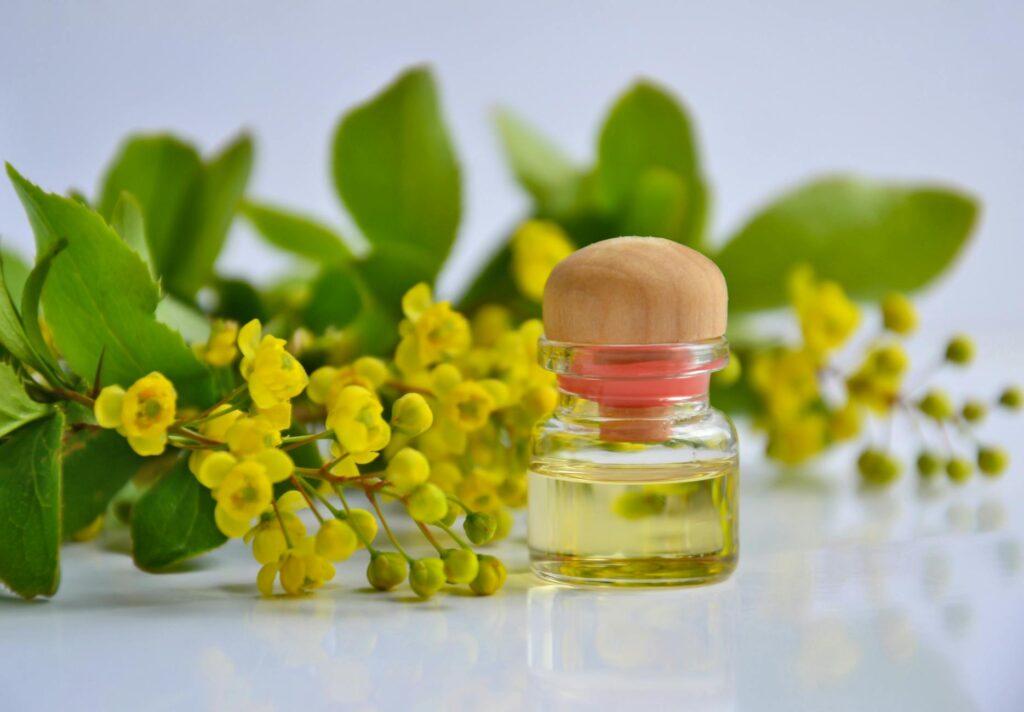
History and Origins of Resin Extracts
Introduction
The world of aromatherapy and essential oils is rich with history, tradition, and a unique tapestry of cultural practices. Among the various sources of essential oils, resin extracts hold a special place due to their ancient origins and multifaceted properties. This article delves into the history and origins of resin extracts, exploring their definition, benefits, common uses, and applications in aromatherapy, while also addressing safety considerations and storage practices.
What Is Resin Extracts?
Resin extracts are natural substances that exude from certain trees, particularly coniferous species, as a protective response to injury or environmental stress. These viscous substances are composed of a complex mixture of volatile compounds, essential oils, terpenes, and other organic materials. When harvested and processed, resin can be transformed into essential oils, tinctures, and other aromatic products.
Several types of resins are well-known in the aromatherapy and perfumery industries, including:
- Frankincense: Derived from the Boswellia tree, frankincense has been used for thousands of years in religious ceremonies and traditional medicine.
- Myrrh: Extracted from the Commiphora tree, myrrh has a rich history in incense and healing practices.
- Pine Resin: Often sourced from various pine species, this resin is commonly used in traditional practices and modern applications.
- Benzoin: Obtained from the Styrax tree, benzoin resin is valued for its sweet, balsamic aroma.
- Incense: Historically, resins have been burned as incense in religious and spiritual ceremonies, creating a sacred atmosphere and enhancing meditation practices.
- Perfumes: Due to their complex aromas, resin extracts are often used in the formulation of perfumes and fragrances, adding depth and richness.
- Traditional Medicine: Many cultures have employed resins in traditional healing practices, utilizing their antimicrobial and anti-inflammatory properties.
- Crafts and Art: Resins can be used in art, such as in the creation of varnishes, coatings, and even jewelry making.
- Diffusion: Resin oils can be diffused in a room to create an inviting atmosphere. They are often blended with other essential oils to enhance their effects.
- Massage: Diluted resin extracts can be used in massage oils to promote relaxation and relieve muscle tension.
- Bath Additives: Adding resin oils to bathwater can create a soothing experience, promoting relaxation and stress relief.
- Inhalation: Direct inhalation of resin extracts can support respiratory health and enhance emotional well-being.
- Dilution: Essential oils derived from resin should always be diluted with a carrier oil before topical application to prevent skin irritation.
- Allergies: Individuals with known allergies to specific resins should avoid using those particular extracts. A patch test is recommended before widespread use.
- Pregnancy and Nursing: Pregnant and nursing individuals should consult a healthcare professional before using resin extracts, as some may not be suitable during these times.
- Quality of Product: Ensure that the resin extracts are sourced from reputable suppliers and are free from additives and synthetic ingredients.
- Cool, Dark Place: Store resin extracts in a cool, dark place away from direct sunlight and heat sources, which can degrade their quality.
- Airtight Containers: Use airtight containers to prevent oxidation and contamination. Amber or dark glass bottles are ideal for protecting the oils from light.
- Shelf Life: The shelf life of resin extracts varies based on the type and processing method. Generally, most resin oils can last for 2 to 5 years when stored properly. Always check for changes in aroma or consistency as indicators of spoilage.
These resins are typically harvested by making incisions in the tree bark, allowing the sap to flow out and harden into a solid form. After collection, the resin can be distilled to extract essential oils or used in its raw form for various applications.
Key Benefits and Properties
Resin extracts are celebrated for their diverse range of benefits and properties. While individual benefits may vary based on the type of resin, some common characteristics include:
1. Antimicrobial Properties: Many resins possess natural antimicrobial qualities, making them useful for purifying the air and combating infections.
2. Anti-inflammatory Effects: Certain resins, such as frankincense and myrrh, are known for their anti-inflammatory properties, which can support overall wellness.
3. Mood Enhancement: The aromatic compounds in resin extracts can influence mood and emotional states, promoting relaxation and reducing stress.
4. Spiritual Significance: Resins have been utilized in spiritual practices for centuries, often used in incense to facilitate meditation and connect with higher states of consciousness.
5. Skin Benefits: Resins like myrrh are commonly used in skincare products for their potential to soothe and heal the skin.
Common Uses
Resin extracts have a variety of applications across different domains, including:
Aromatherapy Applications
In aromatherapy, resin extracts are highly valued for their aromatic profiles and therapeutic properties. Common applications include:
Safety Considerations
While resin extracts are generally considered safe for use, there are several important safety considerations to keep in mind:
Storage and Shelf Life
Proper storage of resin extracts is essential for maintaining their quality and potency. Here are some guidelines to consider:
Frequently Asked Questions
1. How are resin extracts harvested?
Resin extracts are typically harvested by making incisions in the bark of trees, allowing the sap to flow out. Once it hardens, it is collected for further processing.
2. Can resin extracts be used internally?
While some traditions may use resin extracts internally, it is essential to consult with a qualified practitioner before considering internal use, as not all resins are safe for ingestion.
3. Are there any contraindications for using resin extracts?
Certain individuals, such as those with specific allergies, pregnant or nursing women, and those with certain medical conditions, should exercise caution. Always consult a healthcare professional for personalized advice.
4. What is the difference between essential oils and resin extracts?
Essential oils are concentrated aromatic compounds extracted from various plant parts, including flowers, leaves, and bark. Resin extracts are specifically derived from the sap of trees and may contain a different composition of compounds.
5. Can resin extracts be blended with other essential oils?
Yes, resin extracts can be blended with other essential oils to create custom formulations for various purposes, including relaxation, mood enhancement, and skincare.
Conclusion
Resin extracts are a fascinating component of the aromatic landscape, steeped in history and rich in diverse applications. From incense to skincare, their therapeutic properties and enchanting aromas have captivated cultures worldwide for centuries. As interest in aromatherapy continues to grow, understanding the origins and benefits of resin extracts enriches our appreciation for these remarkable natural substances. Whether used in spiritual practices, personal care, or simply to create a pleasant atmosphere, resin extracts remain a timeless treasure in the world of essential oils.