
History and Origins of Rosemary Essential Oil
Introduction
Rosemary essential oil, derived from the leaves of the Rosmarinus officinalis plant, has a rich history intertwined with culinary, medicinal, and aromatic uses. Its distinctive fragrance and numerous benefits have made it a staple in both traditional and modern practices. This article delves into the origins, uses, and properties of rosemary essential oil, providing a comprehensive overview for those interested in exploring this versatile essential oil.
What Is Rosemary Essential Oil?
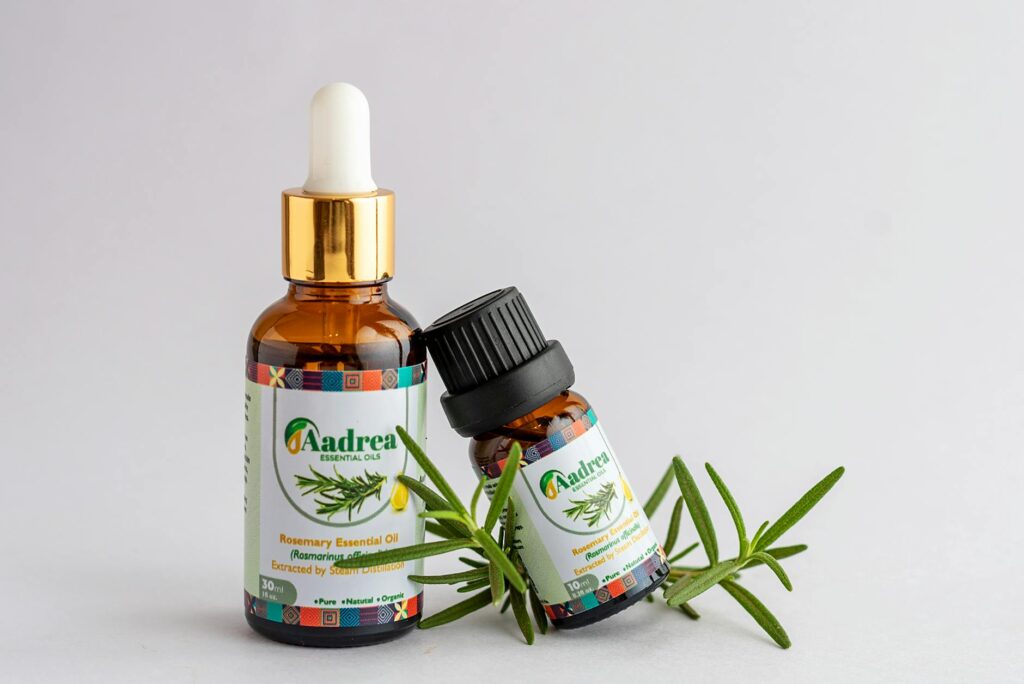
Rosemary essential oil is extracted from the needle-like leaves of the rosemary plant, a member of the mint family, Lamiaceae. The oil is obtained through steam distillation, which involves passing steam through the plant material to vaporize the volatile compounds, which are then condensed back into liquid form. The resulting oil is characterized by its fresh, herbaceous aroma, often described as woody and slightly floral.
The chemical composition of rosemary essential oil is complex, containing various compounds such as 1,8-cineole, camphor, and rosmarinic acid. These constituents contribute to its unique scent and potential therapeutic properties.
Key Benefits and Properties
Rosemary essential oil has garnered attention for its diverse range of benefits. Some of the key properties include:
1. Antioxidant Activity: Rosemary contains potent antioxidants that may help protect cells from oxidative stress.
2. Anti-inflammatory Effects: The oil is known for its anti-inflammatory properties, which may support overall wellness.
3. Antimicrobial Properties: Research has indicated that rosemary essential oil possesses antimicrobial qualities, making it effective against certain bacteria and fungi.
4. Cognitive Support: Some studies suggest that the aroma of rosemary may enhance memory and concentration, making it a popular choice for study or work environments.
5. Mood Enhancement: The invigorating scent of rosemary is often used in aromatherapy to uplift mood and promote mental clarity.
Common Uses
Rosemary essential oil has a multitude of applications across various domains:
Culinary Uses
In cooking, rosemary is commonly used as a seasoning for meats, vegetables, and breads. Its essential oil can also be used sparingly to impart a concentrated flavor in culinary creations.
Personal Care
The oil is often incorporated into cosmetic products, such as shampoos and lotions, for its aromatic and purported hair-strengthening properties.
Household Cleaning
Due to its antimicrobial properties, rosemary essential oil is frequently added to homemade cleaning products. Its pleasant scent also serves to freshen the air.
Aromatherapy Applications
In the realm of aromatherapy, rosemary essential oil is utilized for its invigorating and stimulating effects. It is often diffused in living spaces to enhance focus and clarity. Additionally, it can be blended with carrier oils for topical applications, such as massage, to promote relaxation while alleviating muscle tension.
Diffusion
Using a diffuser, rosemary essential oil can be dispersed into the air, creating an uplifting environment. Recommended blends include mixing it with oils like lemon or lavender for a balanced aroma.
Inhalation
Direct inhalation of rosemary essential oil can provide immediate benefits, particularly for mental clarity and focus. A few drops on a tissue or a cotton ball can be a simple and effective method.
Topical Application
When combined with carrier oils (such as jojoba or coconut oil), rosemary essential oil can be applied to the skin. It is often used in massages to relieve tension and improve circulation.
Safety Considerations
While rosemary essential oil is generally considered safe for most individuals when used properly, some precautions should be taken:
1. Dilution: Always dilute rosemary essential oil with a carrier oil before applying it to the skin to reduce the risk of irritation.
2. Pregnancy and Nursing: Pregnant and nursing individuals should consult a healthcare professional before using rosemary essential oil, as its effects during these periods are not fully understood.
3. Allergies and Sensitivities: It is advisable to perform a patch test before using rosemary essential oil topically, especially for individuals with sensitive skin or allergies.
4. Medical Conditions: Individuals with certain medical conditions, particularly those involving epilepsy or high blood pressure, should consult a healthcare professional before use.
5. Children: Rosemary essential oil is not recommended for children under the age of two.
Storage and Shelf Life
To maintain the quality of rosemary essential oil, proper storage is essential. It should be kept in a cool, dark place, away from direct sunlight and heat. Essential oils are typically stored in amber or cobalt blue glass bottles, which help protect them from light degradation.
The shelf life of rosemary essential oil is generally around three to four years when stored correctly. However, it is advisable to check for any changes in scent or consistency before use, as these may indicate that the oil has degraded.
Frequently Asked Questions
1. Can rosemary essential oil be ingested?
While some culinary uses exist, ingesting essential oils should only be done under the guidance of a qualified professional.
2. What are the best essential oil blends with rosemary?
Rosemary blends well with various essential oils, including lavender, lemon, peppermint, eucalyptus, and thyme for different aromatic effects.
3. How can I use rosemary essential oil for hair care?
Adding a few drops of rosemary essential oil to your shampoo or conditioner or mixing it with a carrier oil and massaging it into the scalp can promote healthy hair.
4. Is rosemary essential oil safe for pets?
Caution is advised when using essential oils around pets. Some oils can be toxic to animals. It is recommended to consult a veterinarian before using rosemary essential oil in a pet-friendly environment.
5. Can rosemary essential oil help with headaches?
While some individuals report relief from headaches using aromatherapy, results can vary. It is advisable to explore its effects individually and consult a healthcare professional for persistent headaches.
Conclusion
Rosemary essential oil is a multifaceted oil with a rich history and a variety of applications. From its culinary roots to its role in aromatherapy, the oil continues to be valued for its invigorating scent and potential benefits. By understanding its properties and using it safely, individuals can integrate rosemary essential oil into their daily routines, enhancing both their wellness and lifestyle. As with any essential oil, education and caution are key to unlocking its full potential.