
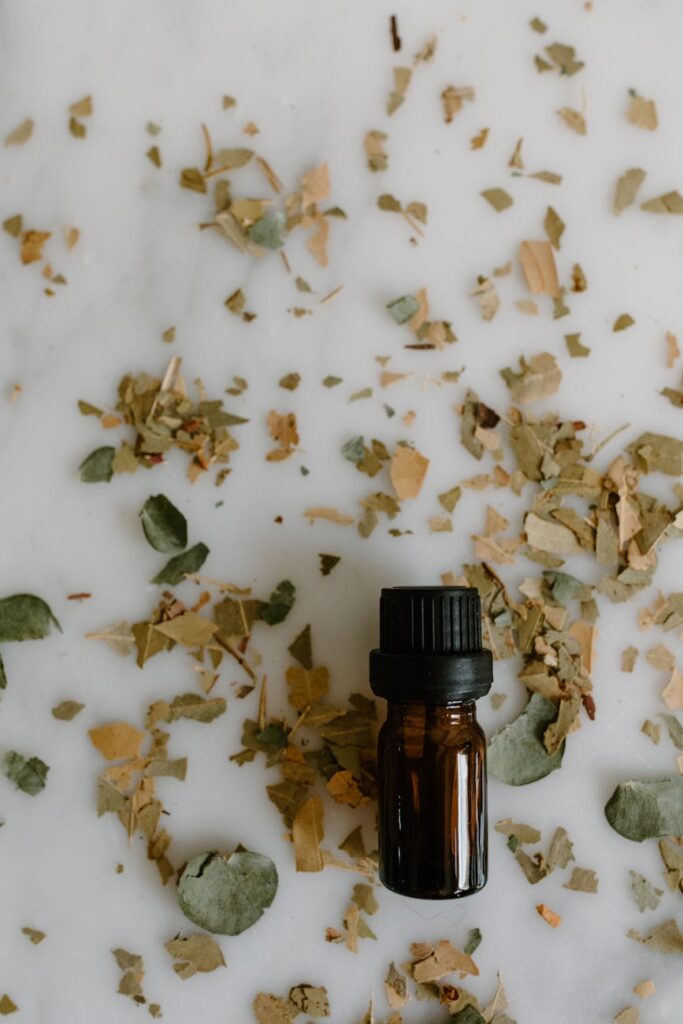
History and Origins of Saffron Extract
Introduction
Saffron, derived from the flower of Crocus sativus, commonly known as the saffron crocus, has been revered for centuries as one of the most valuable spices in the world. This article delves into the rich history and origins of saffron extract, exploring its cultural significance, extraction methods, and applications in various fields, including aromatherapy.
What Is Saffron Extract?
Saffron extract is derived from the stigmas of the saffron crocus flower, which blooms in the fall. Each flower produces three vivid crimson stigmas, which are hand-harvested and dried to create the spice known as saffron. The extraction process for saffron is labor-intensive; it takes approximately 150,000 flowers to produce just one kilogram of saffron, making it one of the most expensive spices by weight.
The extract is often used in cooking for its flavor and color, but it also finds applications in cosmetics, fragrances, and wellness products due to its aromatic properties. Saffron contains several bioactive compounds, including crocin, picrocrocin, and safranal, which contribute to its unique flavor, color, and potential health benefits.
Key Benefits and Properties
Saffron extract is noted for its vibrant color and distinctive flavor, but it also possesses several key benefits that have been recognized throughout history:
1. Antioxidant Properties: Saffron is rich in antioxidants, which help combat oxidative stress in the body. Compounds like crocin and safranal are known for their ability to neutralize free radicals.
2. Mood Enhancement: Traditionally, saffron has been associated with mood enhancement and has been used in various cultures to promote emotional well-being.
3. Anti-Inflammatory Effects: Some studies suggest that saffron may exhibit anti-inflammatory properties, contributing to overall health and wellness.
4. Potential Cognitive Benefits: Preliminary research indicates that saffron may support cognitive function and memory, though more studies are needed to confirm these effects.
5. Skin Benefits: Due to its antioxidant and anti-inflammatory properties, saffron extract is increasingly utilized in skin care products, promoting a radiant complexion and addressing various skin concerns.
Common Uses
Saffron extract is versatile and can be used in several different contexts:
- Culinary Applications: Saffron is primarily known as a culinary spice, imparting a distinct flavor and bright yellow hue to dishes such as risotto, paella, and various desserts.
- Cosmetics: The extract is often included in skin care formulations for its purported skin-brightening and anti-aging effects.
- Fragrance: Saffron’s unique aroma makes it a popular ingredient in perfumes and scented products.
- Traditional Medicine: In various cultures, saffron has been used in traditional medicine for its potential therapeutic properties, although scientific validation of these uses is still ongoing.
- Citrus Oils: Such as orange or lemon, to create uplifting blends.
- Floral Oils: Like lavender or rose, for a soothing effect.
- Woodsy Oils: Such as sandalwood or cedarwood, to ground and stabilize emotions.
- Allergic Reactions: Some individuals may experience allergic reactions to saffron. It is advisable to perform a patch test before using saffron-based products on the skin.
- Pregnancy and Breastfeeding: Pregnant or breastfeeding women should consult healthcare professionals before using saffron extract, as its effects during these periods are not thoroughly studied.
- Dosage: When using saffron as a supplement, adhering to recommended dosages is crucial to avoid potential side effects.
- Storage Conditions: Saffron should be stored in a cool, dark place, away from moisture and direct sunlight. Airtight containers are recommended to prevent exposure to air.
- Shelf Life: When stored properly, saffron extract can retain its potency for up to two years. However, its flavor and aroma may diminish over time, so it’s best used within a year of purchase.
Aromatherapy Applications
In the realm of aromatherapy, saffron extract is valued for its warm, earthy, and slightly sweet aroma. It is believed to have calming and uplifting effects, making it a popular choice in diffusers and personal fragrance blends.
Blending with Other Essential Oils
Saffron can be blended with various essential oils to enhance its aromatic profile and therapeutic potential. Common pairings include:
Usage in Diffusion and Inhalation
Saffron extract can be used in aromatherapy through diffusers or inhalation techniques. When diffused, it may help create a serene and inviting atmosphere, ideal for relaxation or meditation.
Safety Considerations
While saffron is generally considered safe for culinary use, caution should be exercised when using saffron extract in concentrated forms:
Storage and Shelf Life
Proper storage is essential to maintain the quality and potency of saffron extract:
Frequently Asked Questions
1. What is the main component of saffron that gives it its color?
The main component responsible for saffron’s vibrant color is crocin, a carotenoid pigment that has antioxidant properties.
2. How is saffron harvested?
Saffron is harvested by hand during the flowering season. Workers carefully pluck the delicate stigmas from each flower, a process that is labor-intensive and time-consuming.
3. Can saffron extract be used in cooking?
Yes, saffron extract is commonly used in cooking to add flavor and color to a variety of dishes. It is often steeped in warm water or broth to release its color and flavor before being added to recipes.
4. Is saffron extract safe for everyone?
While saffron extract is generally safe for culinary use, individuals with allergies or specific health conditions should consult a healthcare professional before using it in concentrated forms.
5. How does saffron compare to other essential oils in terms of aroma?
Saffron has a unique, warm, and slightly sweet aroma that sets it apart from other essential oils. Its complex scent profile can add depth to various aromatic blends.
Conclusion
The history and origins of saffron extract reflect its remarkable journey from ancient civilizations to modern wellness practices. While it is often celebrated for its culinary applications, its multifaceted properties extend into the realms of aromatherapy and cosmetics. As interest in natural remedies continues to grow, saffron remains a cherished ingredient, steeped in tradition and enriched with potential benefits. Understanding its history enhances our appreciation for this extraordinary extract, allowing us to incorporate it into our lives thoughtfully and respectfully.