
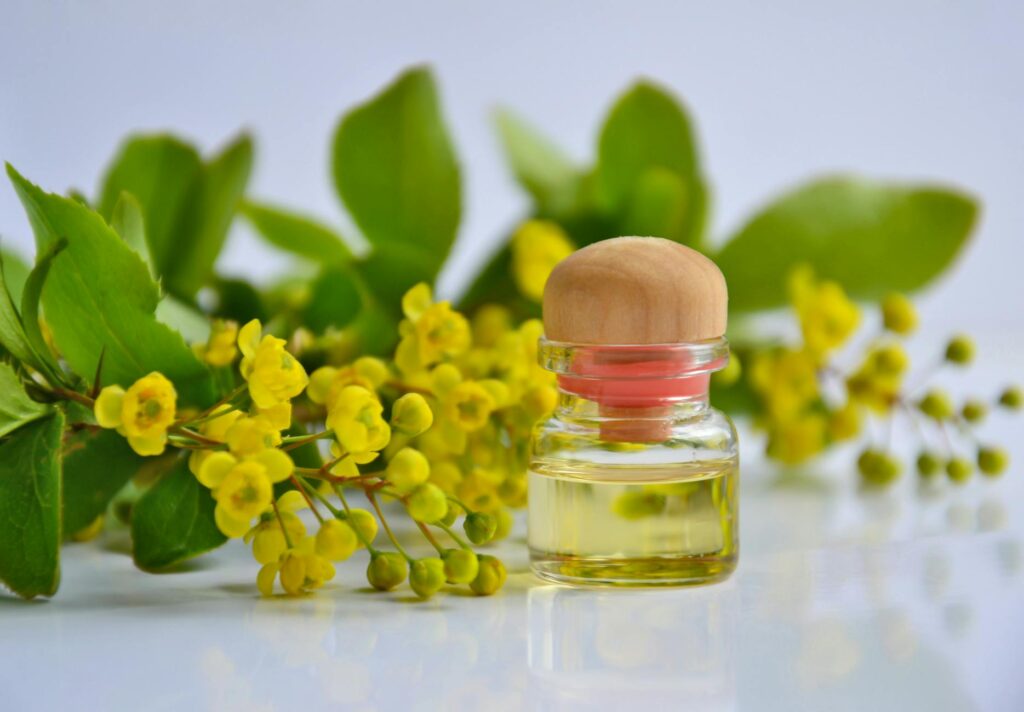
History and Origins of Sage Extract
Introduction
Sage extract, derived from the leaves of the Salvia officinalis plant, has played a significant role in various cultures throughout history. Known for its culinary and medicinal properties, sage has long been valued for its aromatic qualities and health benefits. This article explores the rich history and origins of sage extract, examining its uses, benefits, and applications in aromatherapy, while addressing safety considerations and storage recommendations.
What Is Sage Extract?
Sage extract is an essential oil obtained from the leaves of the sage plant, a member of the mint family (Lamiaceae). The plant is native to the Mediterranean region, but it has since been cultivated worldwide. The leaves are typically steam-distilled or cold-pressed to produce an oil rich in active compounds, including thujone, camphor, and various terpenes. The resultant extract is characterized by its earthy, herbaceous aroma and is commonly used in cooking, traditional medicine, and aromatherapy.
Key Benefits and Properties
Sage extract is renowned for its numerous beneficial properties, making it a staple in both culinary and therapeutic applications. Some of the key benefits include:
1. Antioxidant Properties: Sage extract contains powerful antioxidants that help neutralize free radicals in the body, which can contribute to cellular damage.
2. Anti-inflammatory Effects: The compounds within sage are believed to possess anti-inflammatory properties, potentially aiding in reducing inflammation.
3. Antimicrobial Activity: Sage has been shown to exhibit antimicrobial properties, making it useful in inhibiting the growth of certain bacteria and fungi.
4. Digestive Aid: Traditionally, sage has been used to support digestive health, often employed to relieve bloating and discomfort.
5. Cognitive Support: Some studies suggest that sage extract may enhance cognitive function and memory, although further research is needed.
Common Uses
Sage extract is versatile, with applications spanning culinary, medicinal, and cosmetic fields. Some common uses include:
- Culinary Applications: Sage is a popular herb in Mediterranean cuisine, often used in dishes such as stuffing, sauces, and marinades. Its extract can enhance flavors and add a distinctive aroma to various recipes.
- Traditional Medicine: Historically, sage has been used in herbal remedies for ailments such as sore throats, digestive issues, and respiratory conditions.
- Cosmetic Products: The extract is often incorporated into skincare products due to its antioxidant and antimicrobial properties, contributing to healthier skin.
- Household Cleaning: Sage’s antimicrobial properties make it a popular ingredient in natural cleaning products.
- Stress Relief: The aroma of sage is believed to promote relaxation and reduce anxiety, making it a popular choice for aromatherapy sessions.
- Mental Clarity: Many practitioners use sage extract to enhance mental clarity and focus during meditation or yoga practices.
- Emotional Balance: The scent of sage is thought to help stabilize emotions, providing a sense of balance and grounding during stressful situations.
- Dilution: Essential oils are highly concentrated and should be diluted with a carrier oil before topical application to prevent skin irritation.
- Pregnancy and Nursing: Pregnant or nursing individuals should consult with a qualified healthcare professional before using sage extract, as some compounds may not be safe during these periods.
- Allergic Reactions: Always perform a patch test before using sage extract on the skin to check for any allergic reactions.
- Interactions: Sage extract may interact with certain medications, including those for diabetes and blood pressure. Consult with a healthcare provider if you have any concerns.
- Cool, Dark Place: Store sage extract in a cool, dark place away from sunlight, as light and heat can degrade the oil.
- Tightly Sealed Container: Use a tightly sealed glass container to minimize exposure to air, which can oxidize the oil and reduce its effectiveness.
- Shelf Life: When stored correctly, sage extract can last for several years. However, it is advisable to check for any changes in aroma or consistency, as these may indicate that the oil has gone rancid.
Aromatherapy Applications
In aromatherapy, sage extract is valued for its calming and grounding effects. The oil is often used in diffusers, candles, and massage oils. Some applications include:
Safety Considerations
While sage extract offers various benefits, it is essential to use it responsibly. Here are some safety considerations to keep in mind:
Storage and Shelf Life
Proper storage of sage extract is crucial for maintaining its potency and integrity. Here are some tips for optimal storage:
Frequently Asked Questions
1. What is the difference between dried sage and sage extract?
Dried sage is the whole, dehydrated leaves of the sage plant, commonly used in cooking and herbal remedies. Sage extract, on the other hand, is a concentrated oil derived from the leaves through distillation or pressing, offering a more potent aroma and therapeutic properties.
2. Can sage extract be used in cooking?
Yes, sage extract can be used in cooking, but due to its concentrated nature, it should be used sparingly. A few drops can provide a robust flavor, but it’s essential to balance it with other ingredients.
3. Is sage extract safe for children?
While sage extract can be beneficial, it is advisable to consult a healthcare professional before using it for children. Its potency may necessitate diluted forms or alternative remedies.
4. How can I incorporate sage extract into my wellness routine?
Sage extract can be added to a diffuser for aromatherapy, blended into massage oils, or included in homemade skincare products. Always ensure that it is properly diluted and safe for use.
5. Are there any contraindications for using sage extract?
Individuals with certain medical conditions, such as epilepsy or hormone-sensitive conditions, should exercise caution and consult a healthcare provider before using sage extract. It is also advisable to consult with a professional if you are taking any medications.
Conclusion
The history and origins of sage extract reflect its significance across various cultures and eras. From its culinary applications to its use in traditional medicine and aromatherapy, sage extract continues to be a valuable resource today. By understanding its properties, benefits, and safe usage, individuals can appreciate the multifaceted nature of this remarkable herb.