
History and Origins of Sage Oil Safety
Introduction
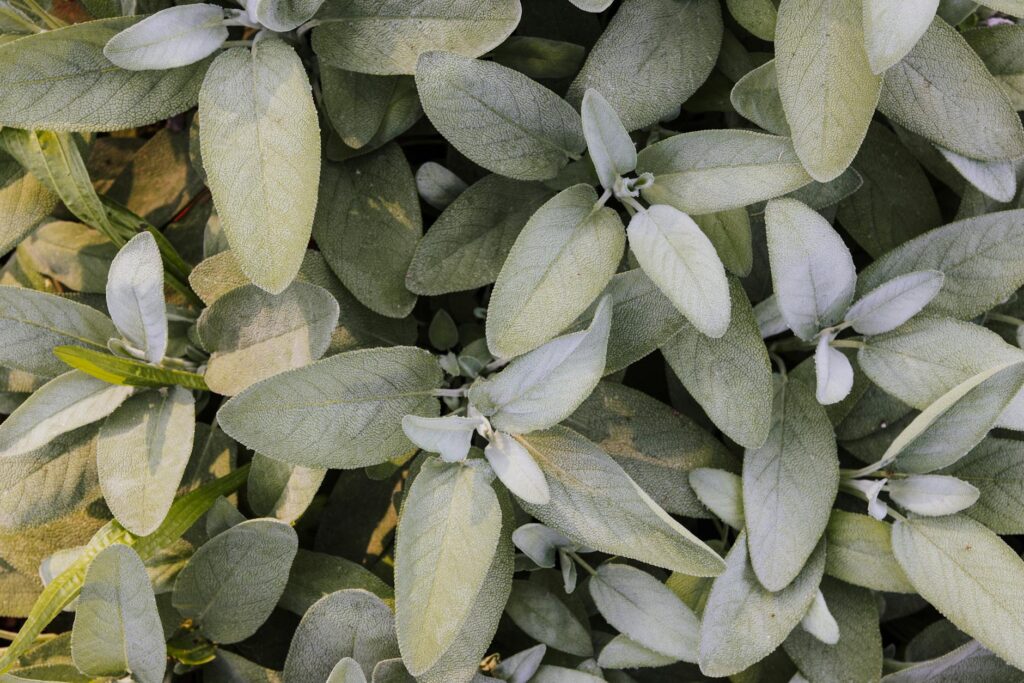
Sage oil, derived from the leaves of the Salvia officinalis plant, has been valued for centuries for its aromatic properties and potential benefits. This essential oil, recognized for its warm, herbaceous scent, plays a significant role in both culinary and medicinal traditions worldwide. However, with its benefits come considerations for safe usage, particularly in aromatherapy and topical applications. Understanding the history and origins of sage oil safety provides a nuanced perspective on its application and the precautions necessary for its responsible use.
What Is Sage Oil Safety?
Sage oil safety refers to the guidelines and best practices for using sage essential oil to minimize any potential risks associated with its application. This encompasses understanding its chemical composition, potential side effects, contraindications, and the correct methods of dilution and application. The concept of safety in the context of essential oils involves ensuring that users can enjoy the therapeutic benefits while mitigating any adverse reactions.
Key Benefits and Properties
Sage oil is renowned for its diverse range of beneficial properties:
1. Antioxidant Properties
Sage oil contains compounds such as rosmarinic acid and other polyphenols, contributing to its antioxidant capabilities. These properties help combat oxidative stress in the body.
2. Anti-inflammatory Effects
Research suggests that sage oil may possess anti-inflammatory properties, potentially aiding in the reduction of inflammation both topically and when inhaled.
3. Antimicrobial Activity
Sage oil has been shown to possess antimicrobial qualities, making it a popular choice for natural cleaning solutions and personal care products.
4. Mental Clarity and Mood Enhancement
Sage oil is often used in aromatherapy for its uplifting scent, which may help improve mood and cognitive function.
Common Uses
Sage oil has a rich history of use across various cultures:
1. Culinary Uses
In many cuisines, particularly Mediterranean, sage is used as a flavoring herb. Its essential oil is sometimes incorporated into culinary applications, although it should be used sparingly due to its potency.
2. Traditional Medicine
Historically, sage has been employed in traditional medicine systems to treat a variety of ailments, from digestive issues to respiratory conditions.
3. Natural Cleaning
Due to its antimicrobial properties, sage oil is often included in DIY cleaning recipes, providing a natural alternative to chemical cleaners.
4. Personal Care Products
Sage oil is a common ingredient in skincare and haircare products, valued for its soothing and balancing effects.
Aromatherapy Applications
In the realm of aromatherapy, sage oil is often used for its calming yet invigorating scent. Some applications include:
1. Diffusion
Sage oil can be used in a diffuser to create a calming atmosphere, especially during meditation or yoga practices.
2. Inhalation
Inhaling sage oil directly or through steam can help promote mental clarity and relaxation.
3. Massage
When diluted with a carrier oil, sage oil can be used for massage, potentially providing relief from muscle tension and stress.
Safety Considerations
While sage oil offers a range of benefits, safety is paramount. Here are key considerations:
1. Skin Sensitivity
Sage oil may cause skin irritation in some individuals, especially when applied undiluted. It’s essential to perform a patch test before widespread use.
2. Pregnancy and Nursing
Women who are pregnant or nursing should exercise caution with sage oil, as certain compounds may not be suitable during these periods. Consulting a healthcare professional is advisable.
3. Interaction with Medications
Sage oil may interact with certain medications, particularly those affecting hormone levels. It is crucial to consult with a healthcare provider if you are on medication.
4. Ingestion
While sage oil has culinary uses, it is highly concentrated and should be used sparingly. Ingesting large quantities can lead to toxic effects.
5. Children and Pets
Special caution should be exercised when using sage oil around children and pets, as they may be more sensitive to essential oils.
Storage and Shelf Life
Proper storage is essential to maintain the integrity and safety of sage oil:
1. Storage Conditions
Sage oil should be stored in a cool, dark place, away from direct sunlight and heat sources. This helps preserve its aromatic properties and efficacy.
2. Container
Using dark glass bottles can help protect the oil from light exposure, which can degrade its quality.
3. Shelf Life
Typically, sage oil has a shelf life of 1-3 years, depending on storage conditions. Always check for changes in scent, color, or viscosity before use.
Frequently Asked Questions
1. Can I use sage oil for cooking?
While sage oil can be used in cooking, it is highly concentrated. It is advisable to use it in moderation and consider using dried sage or fresh leaves for culinary purposes.
2. Is sage oil safe for children?
Sage oil can be used around children, but it should be heavily diluted and used with caution. Always consult a pediatrician before use.
3. How can I dilute sage oil for topical use?
To dilute sage oil for topical application, mix a few drops with a carrier oil such as coconut or jojoba oil. A common dilution ratio is 1-2 drops of essential oil per teaspoon of carrier oil.
4. Can sage oil help with stress or anxiety?
Many users find sage oil beneficial for stress relief when used in aromatherapy, but individual experiences may vary. It’s essential to approach essential oil use as a complementary practice, not a primary treatment.
5. Are there any contraindications for using sage oil?
Yes, individuals with certain health conditions, especially hormonal disorders or those on specific medications, should consult a healthcare professional before using sage oil.
Conclusion
The history and origins of sage oil safety reflect a long-standing relationship between humans and this aromatic herb. While sage oil offers numerous benefits, understanding its safety considerations is crucial for responsible use. By adhering to best practices for dilution, storage, and application, users can enjoy the rich heritage of sage oil while prioritizing their health and well-being. Whether used in culinary applications, aromatherapy, or personal care, sage oil remains a cherished element of many cultures, embodying both tradition and the pursuit of wellness.