
History and Origins of Sage Oil
Introduction
Sage oil, derived from the leaves of the Salvia species, particularly Salvia officinalis (common sage), has a rich history that intertwines with various cultures and traditions. Renowned for its aromatic properties and diverse applications, sage oil has been valued for centuries in culinary, medicinal, and spiritual practices. This article delves into the history and origins of sage oil, exploring its significance through the ages, its chemical composition, benefits, and uses in modern aromatherapy.
What Is Sage Oil?
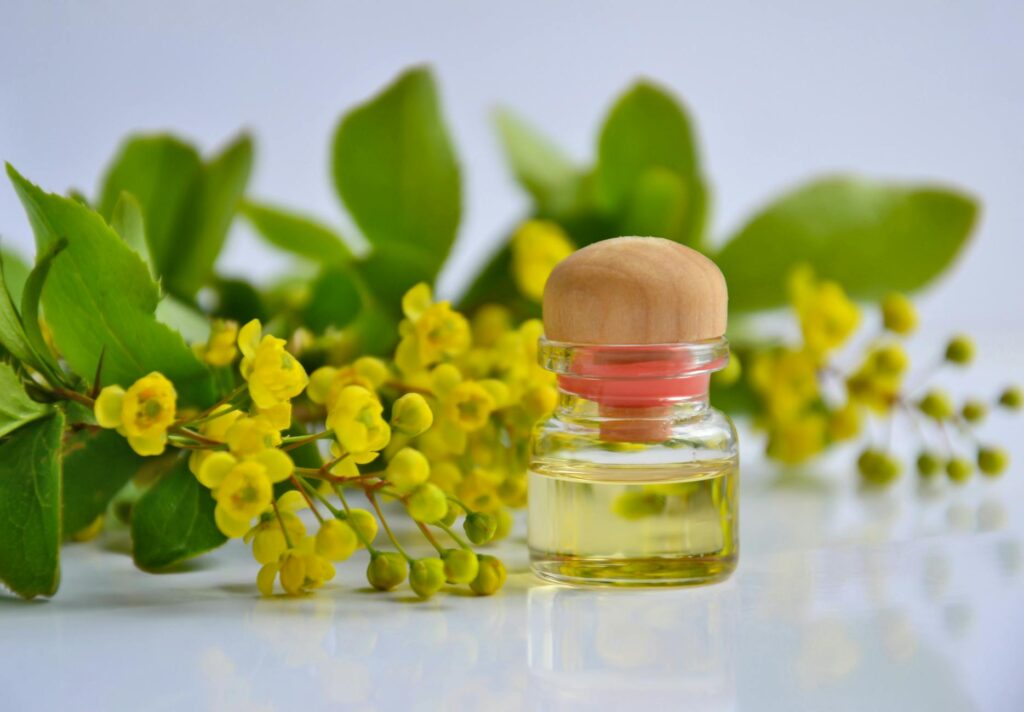
Sage oil is an essential oil extracted from the leaves of the sage plant through steam distillation. Characterized by its potent aroma, sage oil carries a warm, herbaceous scent with earthy undertones. The primary component of sage oil is thujone, which contributes to its distinctive fragrance and potential properties. Other significant constituents include camphor, borneol, and 1,8-cineole, all of which add to its aromatic complexity.
The sage plant, belonging to the mint family (Lamiaceae), is native to the Mediterranean region but has spread globally due to its culinary and medicinal value. Its historical significance can be traced back to ancient civilizations, where it was often associated with wisdom, protection, and purification.
Key Benefits and Properties
Sage oil is celebrated for its diverse range of properties, which can be attributed to its unique chemical composition. Some of the key benefits associated with sage oil include:
- Antimicrobial Properties: Sage oil has demonstrated antimicrobial activity against various pathogens, making it a popular choice for natural cleaning solutions.
- Anti-inflammatory Effects: The oil is often used for its potential to reduce inflammation, which can be beneficial in various applications, from skincare to muscle relief.
- Astringent Qualities: Sage oil can tighten tissues, which may help in toning the skin and promoting overall skin health.
- Mood Enhancement: The uplifting aroma of sage oil is thought to have a positive impact on mood and mental clarity, contributing to its use in aromatherapy.
- Culinary Applications: Sage has long been used as a culinary herb, and sage oil can enhance flavors in various dishes. It is particularly popular in Mediterranean cuisine.
- Cosmetic Products: Due to its astringent and antimicrobial properties, sage oil is often incorporated in skincare products, including creams, lotions, and toners.
- Household Cleaners: Many natural cleaning products utilize sage oil for its antimicrobial properties, making it a popular choice for homemade cleaning solutions.
- Incense and Smudging: In various spiritual practices, sage is burned as incense or used in smudging rituals for purification and protection.
- Diffusion: Adding sage oil to a diffuser can help create an uplifting atmosphere, enhancing focus and clarity.
- Massage: When diluted with a carrier oil, sage oil can be used in massage to promote relaxation and alleviate muscle tension.
- Bathing: Incorporating sage oil into bathwater can provide a soothing experience, promoting a sense of tranquility and ease.
- Dilution: Sage oil should be diluted with a carrier oil before topical application to avoid skin irritation.
- Pregnancy and Nursing: Pregnant or nursing individuals should consult a healthcare professional before using sage oil, as certain components may not be suitable during these stages.
- Allergies: Individuals with allergies to plants in the Lamiaceae family should exercise caution and conduct a patch test before using sage oil.
- Thujone Content: High concentrations of thujone can be toxic, so it is crucial to use sage oil in moderation and avoid ingestion.
- Dark Glass Bottles: Sage oil should be stored in dark glass bottles to protect it from light exposure, which can degrade its quality.
- Cool, Dry Place: Keep the oil in a cool, dry location, away from direct sunlight and heat sources.
- Shelf Life: The shelf life of sage oil typically ranges from 1 to 3 years, depending on storage conditions. Always check for any changes in aroma or appearance before use.
Common Uses
Sage oil has a wide array of applications, stemming from its historical and cultural significance. Some common uses include:
Aromatherapy Applications
In the realm of aromatherapy, sage oil is utilized for its calming and invigorating effects. It is often blended with other essential oils to create unique blends tailored to specific needs. Common applications include:
Safety Considerations
While sage oil is generally regarded as safe for use, it is essential to observe certain precautions:
Storage and Shelf Life
To ensure the longevity and efficacy of sage oil, proper storage is essential. Here are some guidelines:
Frequently Asked Questions
1. Can I use sage oil for cooking?
While sage oil can be used in cooking, it is essential to use it sparingly due to its concentrated nature. The flavor can be potent, and a little goes a long way.
2. Is sage oil safe for children?
Sage oil should be used with caution around children. It is advisable to consult a healthcare professional for guidance on appropriate use.
3. How can I incorporate sage oil into my skincare routine?
You can add a few drops of sage oil to your regular moisturizer or mix it with a carrier oil for a rejuvenating facial treatment. Always perform a patch test to ensure there are no adverse reactions.
4. Can sage oil help with stress relief?
Many individuals find the aroma of sage oil to be calming and grounding, making it a popular choice for stress relief and relaxation.
5. Is it necessary to dilute sage oil before topical use?
Yes, sage oil should always be diluted with a carrier oil before applying it to the skin to prevent irritation.
Conclusion
The history and origins of sage oil reveal a rich tapestry of cultural significance, medicinal use, and aromatic appreciation. From ancient rituals to modern aromatherapy, sage oil continues to be a valuable resource in various aspects of health and wellness. By understanding its properties, benefits, and uses, individuals can appreciate the timeless value of this remarkable essential oil and incorporate it into their lives in safe and meaningful ways.