
History and Origins of Sandalwood Essential Oil
Introduction
Sandalwood essential oil, derived from the heartwood of the Santalum tree, has been cherished for millennia for its aromatic, medicinal, and spiritual properties. This oil is deeply embedded in various cultural practices and traditions, spanning continents and civilizations. Understanding the history and origins of sandalwood essential oil not only enriches its appeal but also provides insight into its enduring significance in both ancient and modern contexts.
What Is Sandalwood Essential Oil?
Sandalwood essential oil is obtained primarily from the Santalum album tree, although other species such as Santalum austrocaledonicum and Santalum paniculatum are also used. The extraction process typically involves steam distillation of the heartwood, which is the dense, inner part of the tree. This oil is characterized by its warm, woody, and creamy aroma, making it a prominent choice in perfumery, cosmetics, and aromatherapy.
The scent profile of sandalwood is complex, with its base notes often described as rich, smooth, and slightly sweet. The oil is also known for its pale yellow to colorless appearance. Its chemical composition is primarily made up of santalol, a sesquiterpenoid that contributes to its distinctive fragrance and therapeutic properties.
Key Benefits and Properties
Sandalwood essential oil is celebrated for its numerous benefits and properties, which have made it a staple in various cultural and therapeutic practices. Some of the key properties include:
- Calming and Grounding: Sandalwood is known for its soothing aroma, which can promote relaxation and reduce anxiety. It is often used in meditation practices to create a tranquil environment.
- Antiseptic and Anti-inflammatory: The oil possesses antiseptic qualities, making it useful for minor skin irritations and wounds. Its anti-inflammatory properties may also aid in soothing the skin.
- Mood Enhancer: The aroma of sandalwood has been associated with uplifting moods and enhancing emotional well-being. It is frequently employed in perfumes and incense to create a pleasant atmosphere.
- Spiritual Significance: In many cultures, sandalwood is used in rituals and ceremonies, believed to facilitate spiritual connection and enhance meditation.
- Perfumery: Its rich and harmonious scent makes sandalwood a popular base note in perfumes, adding depth and longevity to fragrance compositions.
- Cosmetics: The oil is often incorporated into skincare products due to its moisturizing and soothing properties. It can be found in creams, lotions, and facial oils.
- Incense and Rituals: Sandalwood is a key ingredient in traditional incense sticks, used in religious ceremonies and rituals in cultures around the world.
- Aromatherapy: The oil is frequently diffused or inhaled to promote relaxation and emotional balance, making it a staple in many aromatherapy practices.
- Diffusion: Adding a few drops of sandalwood oil to a diffuser can create a serene atmosphere, ideal for meditation or relaxation.
- Topical Application: When diluted with a carrier oil, sandalwood can be applied to pulse points or areas of concern on the skin. It is often used in massage oils for its soothing properties.
- Bathing: A few drops of sandalwood oil in bathwater can enhance the bathing experience, providing a tranquil and aromatic environment.
- Inhalation: Inhaling sandalwood oil directly from the bottle or using a personal inhaler can offer immediate calming effects.
- Dilution: Always dilute sandalwood oil with a carrier oil before applying it to the skin to avoid irritation.
- Patch Test: Conduct a patch test on a small area of skin to check for allergic reactions or sensitivities.
- Pregnancy and Nursing: Pregnant or nursing individuals should consult with a healthcare professional before using sandalwood essential oil.
- Allergic Reactions: Individuals with known allergies to sandalwood or related species should avoid using the oil altogether.
- Quality Considerations: The purity and quality of sandalwood oil can vary significantly. It is advisable to purchase from reputable suppliers to ensure you are getting high-quality oil.
- Keep It Cool: Store the oil in a cool, dark place, away from direct sunlight and heat sources, as light and heat can degrade the oil over time.
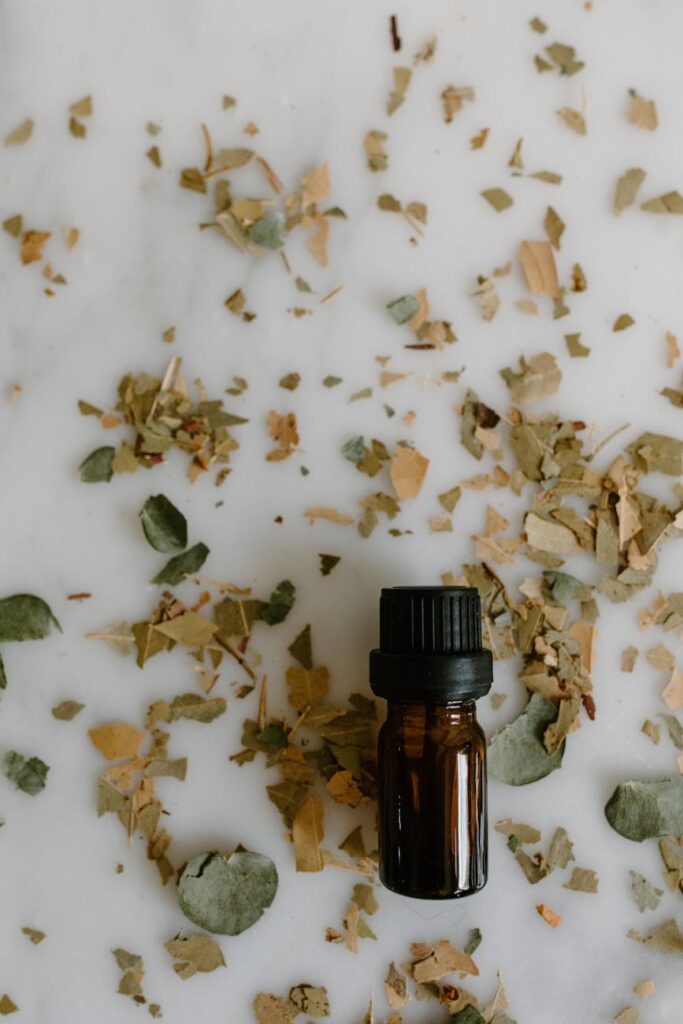
- Use Dark Glass Bottles: Amber or cobalt blue glass bottles are ideal for storing essential oils, as they help protect the oil from light exposure.
- Seal Tightly: Ensure the bottle is tightly sealed to prevent oxidation and contamination.
Common Uses
Sandalwood essential oil has a diverse range of applications across various domains, including:
Aromatherapy Applications
In aromatherapy, sandalwood essential oil is utilized for its calming and balancing effects. Its applications include:
Safety Considerations
While sandalwood essential oil is generally regarded as safe for most individuals, it is essential to observe certain safety precautions:
Storage and Shelf Life
Proper storage is crucial for maintaining the integrity of sandalwood essential oil. To ensure longevity:
The shelf life of sandalwood essential oil can vary depending on storage conditions, but it typically lasts for 5 to 10 years. Over time, the aroma may change, and the oil may lose some of its therapeutic properties.
Frequently Asked Questions
1. What is the origin of sandalwood trees?
Sandalwood trees are native to parts of India, Indonesia, and Australia. The most well-known species, Santalum album, originates from India and has been harvested for its heartwood for thousands of years.
2. Is sandalwood essential oil sustainable?
Due to overharvesting and habitat loss, the sustainability of sandalwood has become a concern. Ethical sourcing and cultivation practices are crucial for ensuring the long-term availability of sandalwood essential oil.
3. Can sandalwood oil be used in cooking?
Sandalwood essential oil is not intended for culinary use and should not be ingested. Its primary applications lie in aromatherapy, perfumery, and topical use.
4. Is there a difference between Indian sandalwood and Australian sandalwood?
Yes, there are differences in aroma, chemical composition, and therapeutic properties between Indian sandalwood (Santalum album) and Australian sandalwood (Santalum austrocaledonicum). Indian sandalwood is often considered superior in scent and quality, but Australian sandalwood is gaining popularity due to its sustainability.
5. How can I tell if my sandalwood oil is pure?
To ensure the purity of sandalwood essential oil, purchase from reputable suppliers, check for third-party testing, and look for oils that specify the botanical name and extraction method on the label.
Conclusion
The history and origins of sandalwood essential oil reveal its deep-rooted significance in various cultures and practices. From ancient rituals to contemporary aromatherapy, sandalwood continues to captivate and inspire. Its unique properties and rich aroma make it a cherished component in the realms of perfumery, cosmetics, and holistic wellness. Understanding its heritage and applications not only enhances appreciation for this extraordinary oil but also promotes responsible and sustainable practices in its use.