
History and Origins of Schisandra Berry Extract
Introduction
Schisandra berry extract, derived from the Schisandra chinensis plant, has a rich history rooted in traditional Chinese medicine (TCM). Known as the “five-flavor fruit,” Schisandra has been celebrated for its unique taste and diverse benefits. This article delves into the historical context, properties, uses, and applications of Schisandra berry extract, providing a comprehensive understanding of its significance in both ancient and modern practices.
What Is Schisandra Berry Extract?
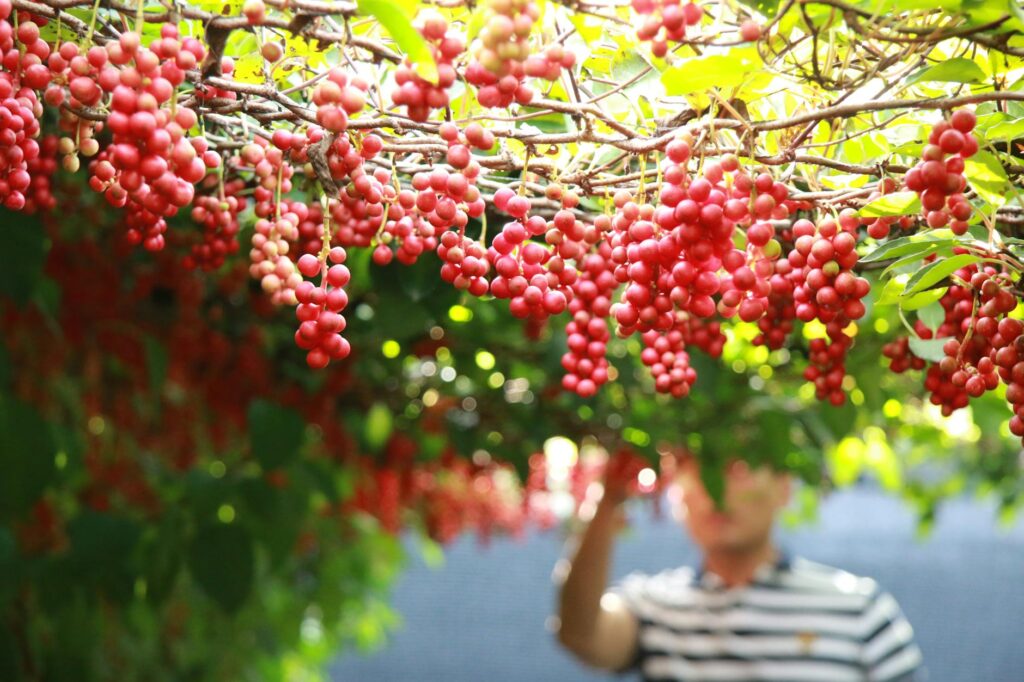
Schisandra berry extract is obtained from the dried berries of the Schisandra chinensis, a perennial vine native to northeastern China and parts of Russia. This plant is a member of the Schisandraceae family and is characterized by its clusters of small red berries, which contain a complex profile of bioactive compounds.
The berries are notable for their five distinct flavors: sweet, sour, salty, bitter, and pungent. This unique flavor profile is a reflection of the diverse phytochemicals present in the berries, including lignans, vitamins, and minerals. The extract is typically produced through a process of steam distillation or solvent extraction, concentrating its beneficial properties for use in various applications.
Key Benefits and Properties
Schisandra berry extract is recognized for its array of potential benefits, attributed to its rich composition of active compounds. Some key components include:
- Lignans: These are polyphenolic compounds that have antioxidant properties. Schisandra contains specific lignans such as schisandrin, which may contribute to the extract’s health-promoting qualities.
- Vitamins and Minerals: Schisandra berries are rich in vitamins A, C, and E, as well as essential minerals like magnesium and calcium, which play vital roles in overall health.
- Adaptogenic Qualities: Schisandra is often categorized as an adaptogen, a natural substance that may help the body adapt to stress and promote balance.
- Dietary Supplements: Available in capsules, powders, and tinctures, Schisandra berry extract is often marketed as a dietary supplement aimed at supporting overall wellness.
- Cosmetics and Skincare: Due to its antioxidant properties, Schisandra extract is incorporated into skincare products to combat free radicals and promote a youthful appearance.
- Culinary Applications: In some cultures, Schisandra berries are used in cooking and beverages, adding a unique flavor and nutritional benefits to dishes.
- Traditional Remedies: In traditional Chinese medicine, Schisandra has been used to address various ailments, including fatigue, respiratory issues, and digestive problems.
- Diffusion: Schisandra can be added to diffusers to create a calming atmosphere, potentially aiding in stress relief and promoting mental clarity.
- Massage Oils: When blended with carrier oils, Schisandra extract can be used in massage therapies, contributing both to the aroma and the skin-nourishing properties of the oil.
- Inhalation: The extract can be used in steam inhalation methods, which may help clear the airways and promote respiratory health.
- Allergic Reactions: Some individuals may experience allergic reactions to Schisandra. It is advisable to perform a patch test before using the extract topically.
- Pregnancy and Breastfeeding: Due to limited research on its safety during pregnancy and lactation, it is recommended that pregnant or breastfeeding individuals consult a healthcare professional before using Schisandra products.
- Interactions with Medications: Schisandra may interact with certain medications, particularly those affecting liver function. Individuals taking such medications should exercise caution and consult a healthcare provider.
- Storage Conditions: The extract should be stored in a cool, dark place, away from moisture and direct sunlight. This helps prevent degradation of its active compounds.
- Shelf Life: Depending on the formulation and storage conditions, Schisandra berry extract typically has a shelf life of 1 to 3 years. Always check expiration dates and discard any product that shows signs of spoilage or changes in appearance.
The potential benefits of Schisandra berry extract are numerous, including support for liver health, enhancement of cognitive function, and improvement of physical endurance. However, while these properties are well-documented in traditional practices, scientific research is ongoing to substantiate these claims.
Common Uses
Schisandra berry extract is utilized in various forms and formulations. Some common uses include:
Aromatherapy Applications
In aromatherapy, Schisandra berry extract is valued for its rich, complex scent and its potential emotional and psychological benefits. When incorporated into essential oil blends, it can enhance the sensory experience, offering a grounding and balancing effect.
Safety Considerations
While Schisandra berry extract is generally considered safe for most people, certain precautions should be noted:
Storage and Shelf Life
Proper storage is crucial to maintain the quality and effectiveness of Schisandra berry extract:
Frequently Asked Questions
1. What forms does Schisandra berry extract come in?
Schisandra berry extract is available in various forms, including capsules, powders, tinctures, and essential oils. The choice of form often depends on personal preference and intended use.
2. Can Schisandra berry extract be used topically?
Yes, Schisandra berry extract can be used topically in skincare formulations or diluted in carrier oils for massage. However, it is essential to perform a patch test to check for any allergic reactions.
3. How do I incorporate Schisandra berry extract into my diet?
Schisandra berry extract can be added to smoothies, teas, or used in cooking. It is essential to follow the recommended dosage provided by the manufacturer or a qualified practitioner.
4. Is Schisandra berry extract safe for everyone?
While Schisandra is generally safe for most individuals, those who are pregnant, breastfeeding, or taking specific medications should consult a healthcare professional before use.
5. What should I look for when purchasing Schisandra berry extract?
When purchasing Schisandra berry extract, look for products from reputable manufacturers that provide information on sourcing, extraction methods, and third-party testing to ensure quality and potency.
Conclusion
The history of Schisandra berry extract is intertwined with the traditions of ancient herbal medicine, particularly in China. Over centuries, it has gained recognition for its diverse benefits and applications, from dietary supplements to aromatherapy. As interest in natural remedies continues to grow, understanding the origins, properties, and uses of Schisandra berry extract can enhance its appreciation and integration into contemporary wellness practices. Whether used for its nutritional benefits or aromatic qualities, Schisandra remains a fascinating subject of study and exploration in the world of botanical extracts.