
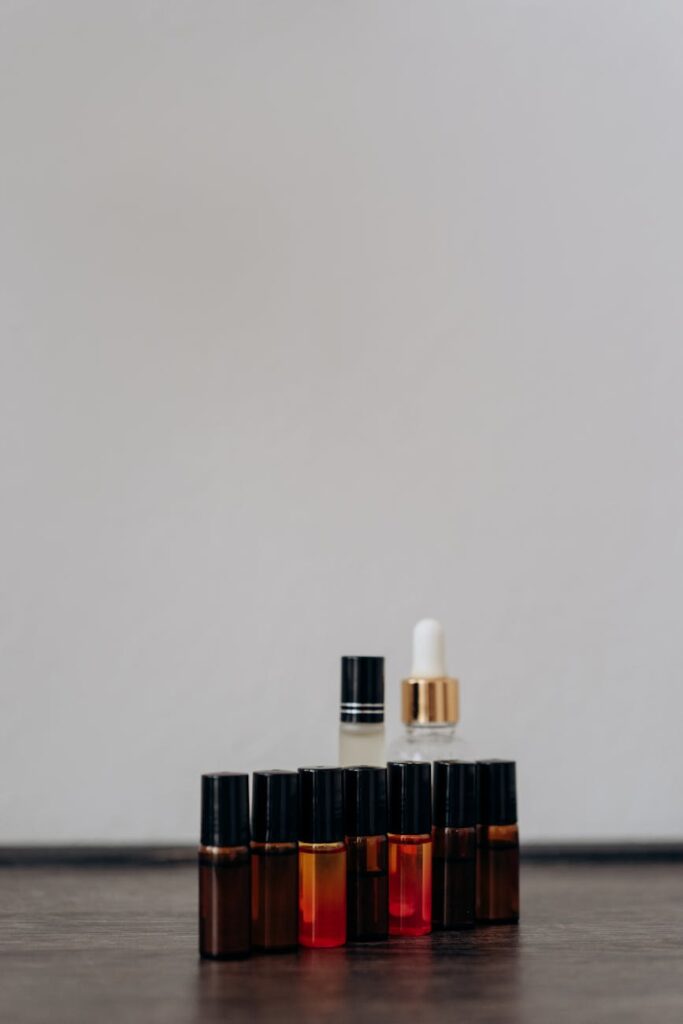
History and Origins of Self-Care Blends
Introduction
The pursuit of well-being has been an intrinsic part of human existence for millennia. Among the myriad methods for achieving physical, emotional, and spiritual balance, self-care blends—combinations of essential oils designed to enhance relaxation, uplift mood, and promote overall wellness—have gained significant popularity in recent years. The historical roots of these blends can be traced back to ancient civilizations, where aromatic plants were revered for their healing properties. This article delves into the history and origins of self-care blends, exploring their evolution and significance across cultures.
What Is Self-Care Blends?
Self-care blends are mixtures of essential oils that are specifically crafted to support individual well-being. These blends capitalize on the unique properties of each essential oil, creating a synergistic effect that enhances their benefits. Typically, self-care blends can be used in various forms, including diffusers, topical applications, and bath additives, to create a holistic approach to self-care.
Historically, the art of blending essential oils has been practiced in various cultures, including the Egyptians, Greeks, and Romans, who utilized aromatic substances for both therapeutic and spiritual purposes. This rich heritage forms the foundation of modern self-care blends, which continue to evolve in response to contemporary wellness trends.
Key Benefits and Properties
Self-care blends offer a wide range of benefits, both physiological and psychological. The properties of essential oils are diverse, and when combined thoughtfully, they can address multiple aspects of well-being:
1. Relaxation and Stress Relief: Many essential oils, such as lavender and chamomile, are known for their calming effects, making them ideal components of self-care blends aimed at reducing anxiety and promoting relaxation.
2. Mood Enhancement: Oils like citrus (e.g., bergamot and orange) are often included in blends for their uplifting properties, helping to improve mood and combat feelings of sadness or fatigue.
3. Mental Clarity and Focus: Certain essential oils, such as rosemary and peppermint, can enhance cognitive function and concentration, making them valuable additions to blends designed for mental clarity.
4. Emotional Support: Blends can also be formulated to address emotional needs, using oils like ylang-ylang and frankincense, which are thought to foster emotional healing and spiritual growth.
5. Physical Comfort: Some self-care blends may include oils known for their analgesic or anti-inflammatory properties, such as eucalyptus and peppermint, providing relief from tension and discomfort.
Common Uses
Self-care blends can be utilized in various ways, allowing individuals to integrate aromatic therapy into their daily routines. Common applications include:
1. Aromatherapy Diffusion: Using a diffuser, self-care blends can fill a space with soothing scents, creating a calming environment ideal for relaxation, meditation, or focused work.
2. Topical Application: When diluted with a carrier oil, self-care blends can be applied to the skin, targeting specific areas of tension or discomfort.
3. Bath Additives: Adding self-care blends to bathwater can transform a simple bathing routine into a luxurious, therapeutic experience, enhancing relaxation and promoting self-reflection.
4. Inhalation: Direct inhalation of self-care blends from a bottle or a personal inhaler can provide immediate benefits, particularly for stress relief and mood enhancement.
5. Massage: Incorporating self-care blends into massage oils can enhance the therapeutic effects of touch, further promoting relaxation and emotional healing.
Aromatherapy Applications
The practice of aromatherapy is intrinsically linked to the use of self-care blends. Aromatherapy employs essential oils to improve physical and emotional health through inhalation and topical application. Here are some common aromatherapy applications using self-care blends:
1. Stress Relief: Blends that include oils like lavender, bergamot, and sandalwood can be diffused to alleviate stress and create a peaceful atmosphere.
2. Sleep Support: Blends designed for sleep often incorporate calming oils such as cedarwood, chamomile, and marjoram, helping to establish a restful environment conducive to sleep.
3. Focus and Clarity: For tasks requiring concentration, blends that contain rosemary, peppermint, and lemon can invigorate the mind and enhance focus.
4. Emotional Balance: Oils such as geranium, jasmine, and frankincense are often utilized in blends aimed at promoting emotional balance and reducing feelings of anxiety or sadness.
5. Energy Boost: To combat fatigue, blends with energizing oils like citrus and peppermint can be used to uplift spirits and rejuvenate the mind and body.
Safety Considerations
While self-care blends can offer numerous benefits, it is essential to consider safety precautions to ensure a positive experience:
1. Dilution: Essential oils are potent and should always be diluted with a carrier oil before topical application to prevent skin irritation.
2. Allergies and Sensitivities: Conduct a patch test on a small area of skin prior to using a new blend to check for allergic reactions or sensitivities.
3. Pregnancy and Medical Conditions: Pregnant individuals and those with specific medical conditions should consult a qualified healthcare professional before using essential oils.
4. Children and Pets: Certain essential oils can be toxic to children and pets. It is advisable to research the safety of specific oils before use in homes with children or animals.
5. Quality of Essential Oils: Ensuring the quality and purity of essential oils is crucial. Opt for reputable suppliers that provide quality assurance and transparency regarding sourcing and distillation processes.
Storage and Shelf Life
Proper storage of self-care blends is essential for maintaining their effectiveness and longevity. Here are some guidelines:
1. Containers: Store self-care blends in dark glass bottles to protect them from light, which can degrade the oils.
2. Cool Environment: Keep blends in a cool, dry place away from direct sunlight and heat sources, which can alter the oils’ chemical properties.
3. Shelf Life: The shelf life of self-care blends varies depending on the oils used, but most can last from 1 to 3 years when stored properly. Regularly check for changes in aroma or consistency, which may indicate that the blend has expired.
Frequently Asked Questions
1. Can I create my own self-care blends?
Yes, creating your own self-care blends can be a rewarding experience. Experimenting with different essential oils allows you to personalize blends according to your specific needs and preferences. Always research the properties of each oil and consider safety guidelines.
2. How many essential oils can I blend together?
Most self-care blends contain between 3 to 5 different essential oils. This allows for a harmonious balance without overwhelming the senses. Start with small quantities to test the blend before making larger amounts.
3. Are self-care blends suitable for everyone?
While many individuals can benefit from self-care blends, some people may have sensitivities or allergies to certain essential oils. It is advisable to conduct patch tests and consult healthcare professionals if there are any concerns.
4. Can self-care blends be used in a diffuser?
Yes, self-care blends are commonly used in diffusers. Follow the manufacturer’s instructions for the appropriate number of drops to use based on the diffuser’s capacity.
5. How can I enhance the effectiveness of self-care blends?
To enhance the effectiveness of self-care blends, consider incorporating mindfulness practices such as meditation, deep breathing, or yoga during use. Creating a calm environment can amplify the benefits of aromatherapy.
Conclusion
The history and origins of self-care blends reveal a rich tapestry of cultural practices that have evolved over time, reflecting humanity’s enduring quest for well-being. As we continue to embrace the benefits of essential oils and aromatherapy, understanding the foundations of these blends can deepen our appreciation for their role in self-care. Whether used for relaxation, emotional support, or mental clarity, self-care blends provide individuals with a powerful tool to enhance their personal wellness journeys.