
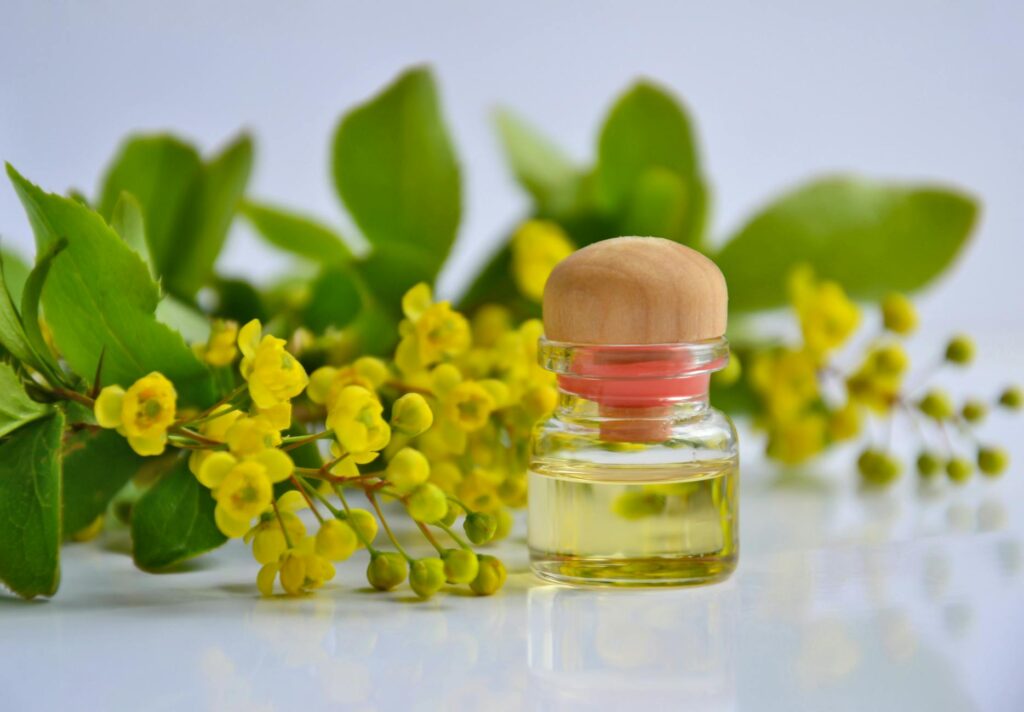
History and Origins of Solvent Extraction Oils
Introduction
The use of essential oils has a rich and varied history, marked by a variety of extraction methods that have evolved over the centuries. Among these methods, solvent extraction has emerged as a significant technique, particularly for extracting delicate aromatic compounds from plant materials. This article delves into the history and origins of solvent extraction oils, exploring their characteristics, benefits, applications, and safety considerations.
What Is Solvent Extraction Oils?
Solvent extraction is a process that involves using a solvent—typically a hydrocarbon or alcohol—to dissolve essential oils from plant materials. Unlike steam distillation, which can alter the chemical composition of certain delicate oils due to heat, solvent extraction preserves the full spectrum of aromatic compounds, including those that are more fragile.
This method is particularly beneficial for extracting oils from flowers, leaves, and other botanicals that may be sensitive to heat. The result is an absolute, which is a highly concentrated form of the essential oil that retains the original fragrance and therapeutic qualities of the plant.
The Process of Solvent Extraction
1. Preparation of Plant Material: The plant material is first cleaned and cut into small pieces to maximize the surface area for extraction.
2. Solvent Application: The plant material is then soaked in a solvent, allowing the essential oils to dissolve into the liquid.
3. Separation: After sufficient soaking, the plant material is removed, and the solvent is evaporated, leaving behind a concentrated oil known as an absolute.
4. Purification: The resulting oil may undergo further purification processes to remove any residual solvent, ensuring that the final product is suitable for use.
Key Benefits and Properties
Solvent extraction oils have several distinct advantages, making them highly sought after in various industries:
- Preservation of Aroma: One of the primary benefits is the ability to preserve the full aroma profile of the plant, including its more volatile compounds that may be lost during distillation.
- Diverse Applications: These oils can be used in a myriad of applications, from perfumery to culinary uses, enhancing the versatility of the extracted compounds.
- High Yield: Solvent extraction tends to yield a higher quantity of oil compared to other methods, such as steam distillation.
- Perfumery: The fragrance industry often relies on absolutes for their rich and complex scent profiles, which are essential for crafting high-quality perfumes.
- Cosmetics: Many cosmetic products incorporate these oils for their aromatic properties and potential skin benefits.
- Flavors and Food: In the culinary world, solvent extraction oils can be used to flavor foods and beverages, adding depth and character to various dishes.
- Household Products: Cleaning products, candles, and air fresheners also benefit from the aromatic qualities of solvent-extracted oils.
- Diffusion: Adding solvent-extracted oils to a diffuser allows for the dispersal of aromatic compounds throughout a room, creating a calming or invigorating atmosphere.
- Massage: When diluted with a carrier oil, these oils can be used in massage therapy to enhance relaxation and alleviate tension.
- Bathing: Adding a few drops of solvent extraction oils to bathwater can create a luxurious, aromatic experience.
- Jasmine Absolute: Known for its sweet, floral scent, jasmine oil is often used in perfumes and aromatherapy.
- Rose Absolute: This oil captures the essence of roses, providing a rich aroma that is both soothing and uplifting.
- Vanilla Absolute: Derived from vanilla beans, this oil is popular for its warm, comforting scent and is frequently used in both food and fragrance applications.
- Quality of Solvent: The choice of solvent can impact the safety of the final oil. It is important to select high-quality, food-grade solvents to avoid potential contamination.
- Skin Sensitivity: Some individuals may experience skin sensitivities or allergic reactions to certain oils. Conducting a patch test before widespread use is advisable.
- Pregnancy and Nursing: Pregnant or nursing individuals should consult with a qualified professional before using any essential oils, including those obtained through solvent extraction.
- Ingestion: Not all solvent extraction oils are safe for internal use. It is crucial to research and verify the safety of any oil before ingestion.
- Container: Store oils in dark glass bottles to protect them from light, which can degrade the oil over time.
- Temperature: Keep the oils in a cool, dry place, away from direct sunlight and heat sources.
- Shelf Life: The shelf life of solvent extraction oils can vary based on the type of oil and storage conditions. Generally, oils should be used within 1-3 years, although some may last longer if stored properly.
Chemical Composition
The essential oils obtained through solvent extraction are often richer in certain compounds, contributing to a more complex scent profile. This complexity can enhance the effectiveness of the oils in various applications.
Common Uses
Solvent extraction oils are widely used in numerous fields, including:
Aromatherapy Applications
In the context of aromatherapy, solvent extraction oils serve as an important resource for practitioners seeking to harness the therapeutic properties of plants. These oils can be used in various forms, including:
Popular Solvent Extraction Oils
Some well-known solvent extraction oils include:
Safety Considerations
Although many solvent extraction oils are safe for use, it is essential to be aware of certain safety considerations:
Storage and Shelf Life
The proper storage of solvent extraction oils is essential for maintaining their quality and longevity. Here are some best practices:
Frequently Asked Questions
1. Are solvent extraction oils the same as essential oils?
While both solvent extraction oils and essential oils are derived from plants, they differ in their extraction methods. Essential oils are typically obtained through steam distillation, whereas solvent extraction oils are extracted using a solvent.
2. Can I use solvent extraction oils in cooking?
Some solvent extraction oils, such as vanilla absolute, can be used in culinary applications. However, it is essential to verify the safety and quality of the specific oil before use.
3. How do I know if an oil is safe for aromatherapy?
To ensure safety, always purchase oils from reputable suppliers who provide information about the oil’s origin, extraction method, and quality testing.
4. Are there any environmental concerns related to solvent extraction?
The environmental impact of solvent extraction can vary depending on the source of the solvent and the sustainability of the plant materials used. Opting for products that adhere to sustainable practices can help mitigate these concerns.
5. Can I blend solvent extraction oils with other essential oils?
Yes, solvent extraction oils can be blended with other essential oils to create unique aromatherapy blends, provided that all oils used are compatible.
Conclusion
The history and origins of solvent extraction oils are rooted in a quest for preserving the full aromatic profile of plants. This method has provided a valuable resource for various applications, including perfumery, cosmetics, and aromatherapy. Understanding the benefits, uses, and safety considerations associated with solvent extraction oils can enhance one’s appreciation of these complex and fragrant substances. As the demand for natural products continues to rise, solvent extraction will likely remain a key player in the world of essential oils and aromatherapy.