
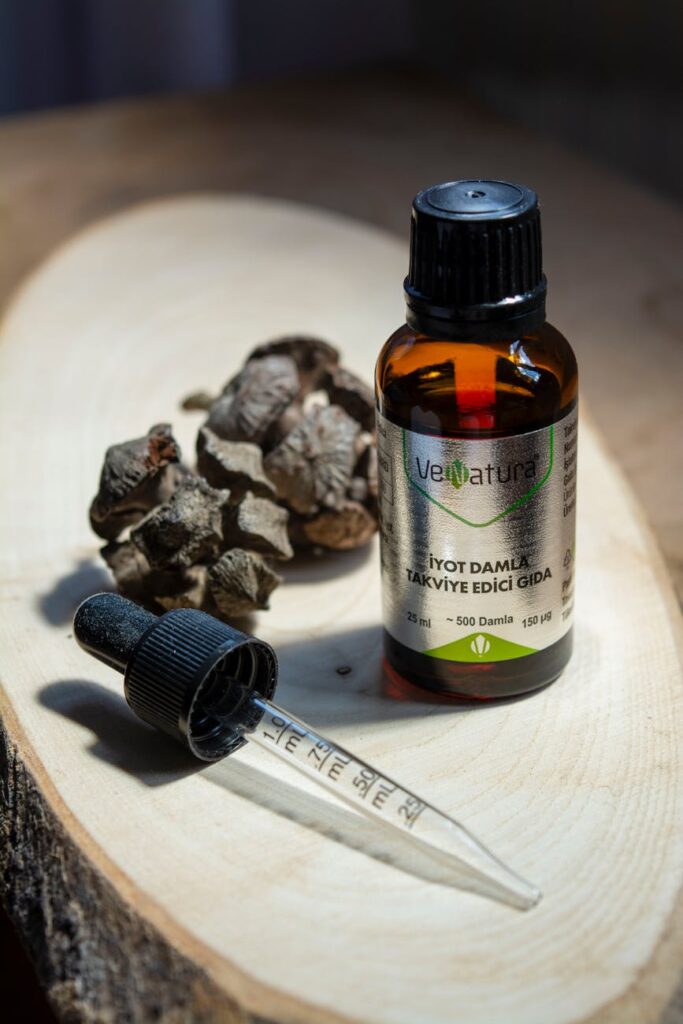
History and Origins of Soursop Extract
Introduction
Soursop, scientifically known as Annona muricata, is a tropical fruit native to the Caribbean and parts of Central and South America. Its unique flavor, reminiscent of a combination of strawberry, pineapple, and citrus, has made it a beloved delicacy in various cultures. Beyond its culinary uses, soursop has garnered attention for its potential health benefits and applications in aromatherapy. This article delves into the history and origins of soursop extract, exploring its botanical background, properties, and uses in modern practices.
What Is Soursop Extract?
Soursop extract is derived from the leaves, fruit, and seeds of the soursop tree. The extraction process typically involves using solvents or cold-press methods to concentrate the beneficial compounds present in the plant. These compounds include alkaloids, flavonoids, tannins, and other phytochemicals that contribute to the extract’s aroma and potential properties.
The extract is often available in various forms, including essential oils, tinctures, and powdered forms, each carrying distinct characteristics and applications. Its aromatic profile is complex, featuring sweet, fruity, and slightly musky notes that are appealing in both culinary and therapeutic contexts.
Key Benefits and Properties
Soursop extract is rich in a variety of bioactive compounds that contribute to its popularity. Among the most notable components are:
- Antioxidants: Soursop is known for its high levels of antioxidants, which help neutralize free radicals and reduce oxidative stress in the body.
- Anti-inflammatory Properties: Some studies suggest that compounds in soursop may have anti-inflammatory effects, potentially aiding in the reduction of inflammation-related conditions.
- Antimicrobial Activity: Preliminary research indicates that soursop extract may possess antimicrobial properties, making it a candidate for use against certain pathogens.
- Mood Enhancement: The aromatic profile of soursop is believed to have mood-lifting qualities, contributing to its application in aromatherapy.
- Culinary Uses: The extract is often incorporated into beverages, desserts, and sauces for its sweet and tangy flavor. It can be found in smoothies, ice creams, and even traditional dishes in tropical cuisines.
- Herbal Remedies: Many cultures have used soursop leaves and fruit in traditional remedies for various ailments, such as digestive issues, fevers, and respiratory conditions, although scientific validation of these uses is ongoing.
- Cosmetic Applications: Due to its antioxidant properties, soursop extract is increasingly found in skincare products, where it is touted for its potential to nourish and rejuvenate the skin.
- Allergic Reactions: As with any extract, individuals may have sensitivities or allergies. A patch test is recommended before applying the extract topically.
- Pregnancy and Breastfeeding: Pregnant and breastfeeding women should consult healthcare professionals before using soursop extract, as limited research is available on its safety in these populations.
- Interactions with Medications: Soursop may interact with certain medications, particularly those affecting blood pressure or blood sugar levels. It is advisable to consult with a healthcare provider if you are taking medication.
- Dosage: When using soursop extract, it is vital to follow recommended dosages, especially in concentrated forms.
- Cool, Dark Place: Store the extract in a cool, dark place, away from direct sunlight and heat sources. This helps prevent degradation of its beneficial compounds.
- Sealed Containers: Keep the extract in sealed containers to minimize exposure to air, which can lead to oxidation.
- Check Expiration Dates: Always check the expiration dates on products and consume them within the recommended timeframe.
These properties contribute to the growing interest in soursop extract for both culinary and therapeutic purposes.
Common Uses
Soursop extract is versatile and can be utilized in various ways:
Aromatherapy Applications
In aromatherapy, soursop extract is valued for its unique fragrance and potential psychological benefits. The scent is often described as uplifting and refreshing, which can enhance mood and promote a sense of well-being.
Diffusion
Soursop extract can be added to a diffuser, blending harmoniously with other essential oils such as citrus or floral varieties. This method disperses the aroma throughout a space, creating an inviting atmosphere.
Massage
Mixed with carrier oils, soursop extract can be used in massage oils. The combination of its pleasant scent and potential anti-inflammatory properties may enhance relaxation and relieve tension in the muscles.
Bath Soaks
Adding soursop extract to bath products can create an aromatic and soothing experience. The extract may enhance the sensory experience of bathing, promoting relaxation and mental clarity.
Safety Considerations
While soursop extract is generally considered safe for culinary and topical use, it is essential to adhere to guidelines to ensure safe usage. Some points to consider include:
Storage and Shelf Life
Proper storage is crucial for maintaining the quality and potency of soursop extract. Here are some guidelines:
Generally, when stored correctly, soursop extract can last for several months to a few years, depending on the form in which it is preserved.
Frequently Asked Questions
What does soursop extract smell like?
Soursop extract has a complex aroma, often described as sweet, fruity, and slightly musky. Its unique scent profile makes it appealing for both culinary and aromatic applications.
Is soursop extract safe for children?
While soursop extract is generally regarded as safe, it is advisable to consult with a healthcare professional before introducing it to children, particularly in concentrated forms.
Can soursop extract be used in cooking?
Yes, soursop extract can be used in various culinary applications, including beverages, desserts, and sauces, to enhance flavor.
Where can I purchase soursop extract?
Soursop extract is available at health food stores, online retailers, and specialty shops that focus on herbal products and essential oils.
How do I incorporate soursop extract into my routine?
You can incorporate soursop extract into your routine by using it in culinary dishes, adding it to aromatherapy diffusers, or using it in massage oils. Always follow recommended dosages and guidelines.
Conclusion
Soursop extract, with its rich history and diverse applications, has emerged as a noteworthy element in both culinary and wellness practices. Its unique flavor and potential benefits make it an intriguing subject for further exploration. As interest in natural remedies and aromatherapy continues to grow, soursop extract is likely to maintain its place as a valued component in holistic health approaches. Understanding its history and properties allows for a more profound appreciation of this tropical gem and its role in modern practices.