
History and Origins of Spice Essential Oil Blends
Introduction
The world of essential oils is rich with history, tradition, and cultural significance. Spice essential oil blends, in particular, have been utilized for centuries, tracing back to ancient civilizations that recognized their aromatic and therapeutic properties. This article explores the origins of spice essential oil blends, their composition, benefits, applications, and safety considerations.
What Is Spice Essential Oil Blends?
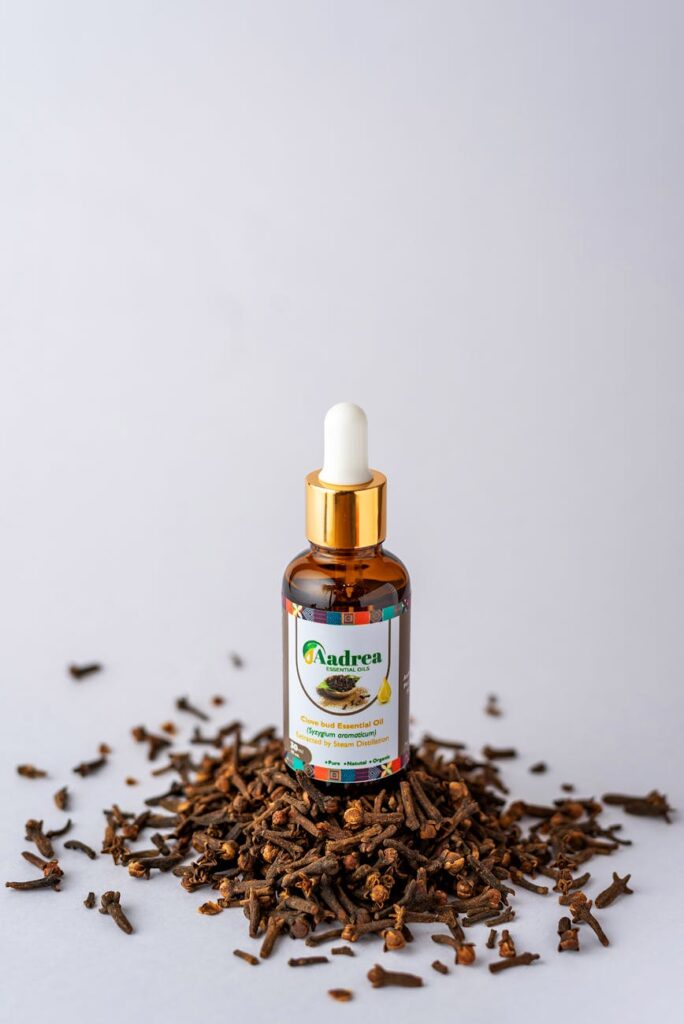
Spice essential oil blends are formulations derived from the aromatic compounds found in various spices. These oils are typically extracted through steam distillation or cold pressing, capturing the potent fragrances and potential therapeutic properties of the spices. Common spices used in these blends include cinnamon, clove, ginger, nutmeg, and cardamom. The resulting blends can vary widely, combining different spices to enhance their aromatic profile and potential benefits.
Key Benefits and Properties
The benefits of spice essential oil blends are multi-faceted, largely stemming from the unique chemical compositions of the individual spices. Some notable properties include:
1. Antioxidant Properties: Many spices, such as clove and cinnamon, are rich in antioxidants, which help protect cells from oxidative stress.
2. Anti-inflammatory Effects: Certain spices are renowned for their anti-inflammatory properties, which can aid in reducing discomfort and promoting overall well-being.
3. Antimicrobial Activity: Spice essential oils often exhibit antimicrobial properties, making them useful in various applications, from household cleaning to personal care products.
4. Mood Enhancement: The warm, comforting aromas of spices can evoke feelings of coziness and relaxation, often used in aromatherapy to enhance mood and alleviate stress.
5. Digestive Support: Some spices, like ginger and cardamom, have a long history of use in traditional practices for their potential digestive benefits.
Common Uses
Spice essential oil blends are versatile and can be utilized in various ways, including:
- Aromatherapy: Used in diffusers, candles, or oil burners to create a specific ambiance.
- Personal Care Products: Incorporated into lotions, creams, and shampoos for their aromatic and potential skin benefits.
- Household Cleaning: Blends with antimicrobial properties can be added to cleaning solutions for a natural alternative to chemical cleaners.
- Cooking and Culinary Applications: While not as common in essential oil form, some blends can be used to enhance flavors in culinary dishes.
- Dilution: Essential oils are highly concentrated and should be diluted before topical application to prevent skin irritation.
- Patch Testing: It is advisable to conduct a patch test before using a new essential oil blend on the skin. Apply a small amount to a discreet area and watch for any adverse reactions.
- Pregnancy and Nursing: Pregnant or nursing individuals should consult with a qualified professional before using essential oils, as certain oils may not be suitable during these times.
- Children and Pets: Some essential oils can be harmful to children and pets. Always research and seek guidance on which oils are safe to use around them.
- Medical Conditions: Individuals with certain medical conditions or those taking medications should exercise caution and consult with a healthcare provider before using essential oils.
- Cool, Dark Place: Essential oils should be stored in a cool, dark place away from direct sunlight and heat sources, as light and heat can degrade their quality.
- Tightly Sealed Containers: Always keep essential oils in tightly sealed containers to prevent evaporation and contamination.
- Glass Containers: Preferably, use amber or cobalt glass bottles that can protect the oils from UV light and help preserve their properties.
- Shelf Life: The shelf life of spice essential oil blends can vary depending on the specific oils used. Generally, they can last from 1 to 5 years, but it is advisable to check for any signs of degradation, such as changes in scent or appearance.
Aromatherapy Applications
In aromatherapy, spice essential oil blends are valued for their ability to influence emotional and psychological states. Here are some common applications:
1. Stress Relief: A blend of cinnamon, clove, and nutmeg can create a warm and comforting environment, helping to alleviate stress and anxiety.
2. Focus and Concentration: Blends that include ginger and cardamom may enhance alertness and concentration, making them suitable for study or work environments.
3. Warmth and Comfort: The rich, spicy aromas can evoke feelings of warmth, making them popular during colder months.
4. Meditation and Relaxation: Certain spice blends can be used during meditation practices to promote relaxation and mental clarity.
Safety Considerations
While spice essential oil blends are generally regarded as safe for use, it is essential to consider the following safety guidelines:
Storage and Shelf Life
Proper storage of spice essential oil blends is crucial to maintain their integrity and efficacy. Here are some tips for optimal storage:
Frequently Asked Questions
1. How are spice essential oils extracted?
Spice essential oils are primarily extracted through steam distillation or cold pressing. Steam distillation involves passing steam through plant materials, while cold pressing involves mechanically pressing the plant to release the oils.
2. Can I use spice essential oil blends in cooking?
While some spice essential oils are safe for culinary use, it is essential to ensure they are food-grade and specifically labeled as such. Always use them sparingly, as they are highly concentrated.
3. Are spice essential oil blends safe for children?
Some spice essential oils may not be suitable for children. It is crucial to research individual oils and consult with a professional before using them around children.
4. How can I incorporate spice essential oil blends into my daily routine?
You can incorporate spice essential oil blends into your daily routine through aromatherapy, adding them to personal care products, or using them in household cleaning solutions.
5. What should I do if I experience an adverse reaction to a spice essential oil?
If you experience any adverse reactions, such as irritation or an allergic response, discontinue use immediately and consult with a healthcare provider if necessary.
Conclusion
The history and origins of spice essential oil blends are deeply intertwined with human culture and tradition. From ancient civilizations to modern practices, these aromatic compounds have been celebrated for their diverse benefits and uses. As you explore the world of spice essential oils, remember to approach them with knowledge, respect, and a commitment to safety. Whether enhancing your well-being or enriching your environment, spice essential oil blends offer a fascinating glimpse into the intersection of nature and human experience.