
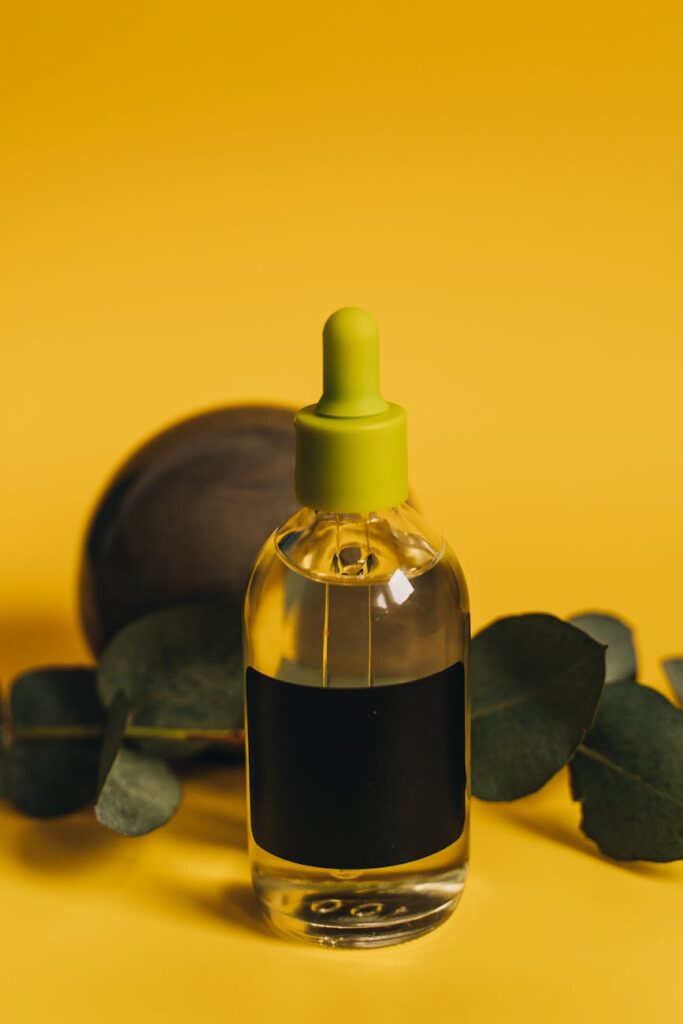
History and Origins of Squalane Oil
Introduction
Squalane oil has gained significant popularity in recent years, becoming a staple in the skincare and wellness industries. Its unique properties and versatility in various applications have made it a sought-after ingredient in cosmetic formulations and aromatherapy practices. This article delves into the history and origins of squalane oil, exploring its extraction processes, benefits, and uses, while providing a comprehensive understanding of this remarkable substance.
What Is Squalane Oil?
Squalane is a saturated derivative of squalene, a naturally occurring organic compound found in various sources, including shark liver oil and plant oils. Squalene itself is a polyunsaturated hydrocarbon that plays a vital role in human skin health, helping to maintain moisture and provide a protective barrier. The conversion of squalene to squalane involves hydrogenation, resulting in a more stable and shelf-stable oil.
Squalane is primarily derived from two sources: animal and plant. Historically, the most common source was shark liver oil, which contains a high concentration of squalene. However, ethical and environmental concerns have led to a growing preference for plant-based sources, such as olive oil, rice bran oil, and sugarcane.
Key Benefits and Properties
Squalane oil is celebrated for its numerous benefits and properties, which contribute to its widespread use in skincare and wellness applications. Some of the key benefits include:
1. Moisturization: Squalane is an excellent emollient, helping to lock in moisture and prevent water loss from the skin. Its lightweight texture makes it suitable for all skin types, including oily and acne-prone skin.
2. Anti-Aging Properties: As a natural antioxidant, squalane helps combat oxidative stress, which can lead to premature aging. Its ability to enhance skin elasticity and reduce the appearance of fine lines makes it a valuable ingredient in anti-aging formulations.
3. Non-Comedogenic: Squalane is non-comedogenic, meaning it does not clog pores, making it ideal for those with sensitive or acne-prone skin.
4. Skin Barrier Support: Squalane aids in strengthening the skin’s natural barrier, promoting overall skin health and resilience.
5. Antimicrobial Properties: Some studies have suggested that squalane may possess mild antimicrobial properties, helping to protect the skin from harmful bacteria and environmental stressors.
Common Uses
Squalane oil is highly versatile and can be found in a variety of products and applications. Common uses include:
1. Skincare Products: Squalane is a popular ingredient in moisturizers, serums, and facial oils due to its hydrating and nourishing properties.
2. Hair Care: Squalane can be used in hair oils and conditioners to enhance moisture, reduce frizz, and promote shine.
3. Makeup: Some makeup products incorporate squalane for its moisturizing benefits, providing a smooth application and a radiant finish.
4. Body Care: Squalane is often included in body lotions and creams to improve skin hydration and overall texture.
5. Aromatherapy: Squalane can act as a carrier oil in aromatherapy, diluting essential oils for topical application while providing additional moisturizing benefits.
Aromatherapy Applications
In aromatherapy, squalane oil serves as an effective carrier oil for essential oils. Its lightweight and non-greasy texture allows for easy absorption, making it a preferred choice among aromatherapists. When blended with essential oils, squalane enhances their therapeutic benefits while providing a moisturizing base for skin application.
When using squalane in aromatherapy, it is important to consider the following:
1. Dilution: Essential oils should always be diluted in a carrier oil like squalane before topical application. This not only ensures safety but also maximizes the efficacy of the essential oils.
2. Customization: Squalane’s neutral scent and properties allow for versatile blending with various essential oils, enabling users to create personalized blends for specific needs.
3. Skin Compatibility: Squalane is well-tolerated by most skin types, making it a safe choice for incorporating essential oils in skincare routines.
Safety Considerations
While squalane oil is generally considered safe for topical use, there are a few safety considerations to keep in mind:
1. Patch Test: Individuals with sensitive skin or allergies should perform a patch test before using squalane oil to check for any adverse reactions.
2. Essential Oil Interactions: When using squalane as a carrier oil, it’s essential to be aware of potential interactions between essential oils and any existing skin conditions or medications.
3. Storage: Proper storage is crucial for maintaining the quality and efficacy of squalane oil, as exposure to heat, light, and air can lead to degradation.
Storage and Shelf Life
Squalane oil has a relatively long shelf life, typically lasting between 12 to 24 months when stored properly. To ensure the longevity of the oil, consider the following storage tips:
1. Cool, Dark Place: Store squalane oil in a cool, dark environment, away from direct sunlight and heat sources.
2. Tightly Sealed Containers: Ensure the container is tightly sealed to minimize exposure to air, which can lead to oxidation.
3. Check Expiration Dates: Always check the expiration date on the packaging and avoid using the oil if it has exceeded this date.
Frequently Asked Questions
1. Is squalane oil suitable for all skin types?
Yes, squalane oil is suitable for all skin types, including oily, dry, and sensitive skin. Its lightweight texture and non-comedogenic properties make it a versatile option for various skin concerns.
2. Can squalane oil help with acne?
Squalane oil is non-comedogenic, meaning it does not clog pores. Its moisturizing properties can help balance oil production, making it a beneficial option for individuals with acne-prone skin.
3. How can I incorporate squalane oil into my skincare routine?
Squalane oil can be used as a moisturizer, serum, or facial oil. It can be applied directly to the skin or mixed with other skincare products for added hydration.
4. Is squalane oil derived from animals?
While squalane can be derived from shark liver oil, most commercially available squalane today is sourced from plants, making it a more ethical and sustainable option.
5. Can I use squalane oil in my hair care routine?
Yes, squalane oil can be used in hair care products to enhance moisture, reduce frizz, and improve overall hair texture. It can be applied directly to the hair or mixed with other hair care products.
Conclusion
The rich history and versatile applications of squalane oil highlight its importance in both skincare and aromatherapy. Derived from natural sources, squalane oil offers a multitude of benefits while being gentle on the skin. As interest in sustainable and ethically sourced products continues to grow, squalane oil stands out as a valuable ingredient with a bright future in the wellness and beauty industries. Whether used on its own or in conjunction with essential oils, squalane oil is an essential addition to any holistic approach to skincare.