
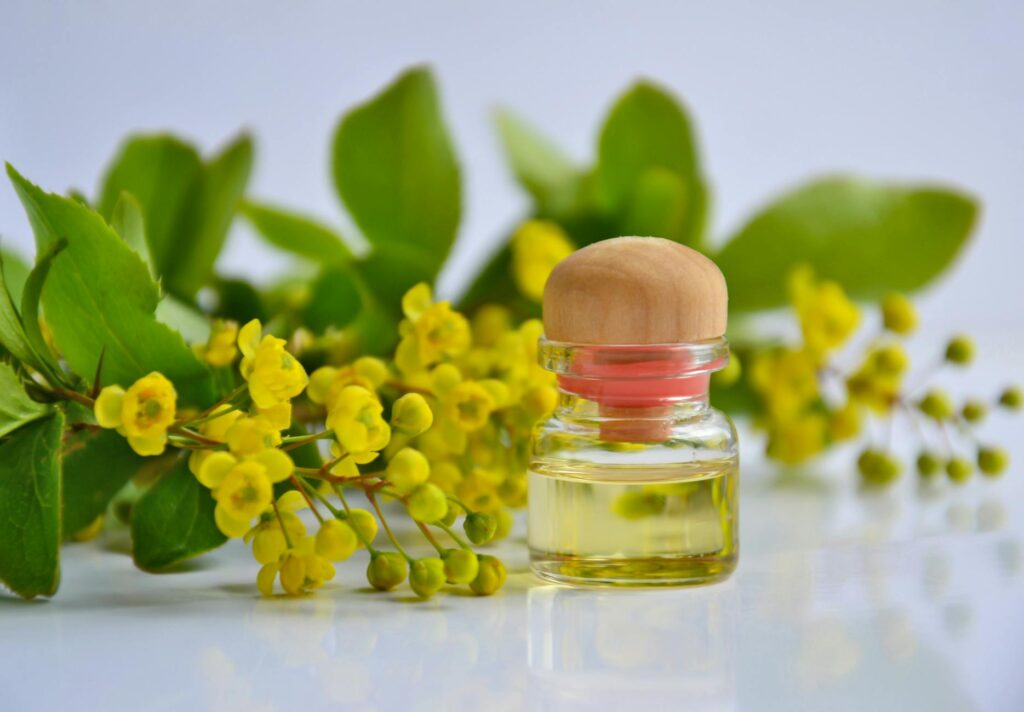
History and Origins of St. John’s Wort Extract
Introduction
St. John’s Wort (Hypericum perforatum) is a perennial herb that has captivated human interest for centuries. Known for its vibrant yellow flowers and historical significance, this plant has played a notable role in traditional medicine and folklore across various cultures. The extract derived from its flowers and leaves has gained popularity in modern herbalism and aromatherapy, valued for its potential therapeutic properties. This article delves into the rich history and origins of St. John’s Wort extract, exploring its uses, benefits, and applications in aromatherapy.
What Is St. John’s Wort Extract?
St. John’s Wort is a flowering plant native to Europe but has spread to various parts of the world, including North America and Asia. The extract is primarily obtained from the flowering tops and leaves of the plant, which are rich in active compounds such as hypericin, hyperforin, and flavonoids. These compounds contribute to the extract’s distinctive properties and potential health benefits.
Historically, St. John’s Wort has been utilized for its purported ability to alleviate various ailments, particularly those related to mood and emotional well-being. The name “St. John’s Wort” is believed to have originated from its traditional flowering time around the feast of St. John the Baptist, celebrated on June 24. The term “wort” is an Old English word meaning “plant.”
Key Benefits and Properties
St. John’s Wort extract is renowned for several key properties, which have been the subject of various studies and anecdotal reports. While research is ongoing, the following benefits are commonly associated with the extract:
1. Mood Enhancement
One of the most well-known uses of St. John’s Wort is its potential to support emotional well-being. Many people have turned to this herb to manage mild to moderate depressive symptoms, as it is thought to influence neurotransmitters in the brain, particularly serotonin.
2. Antioxidant Activity
St. John’s Wort contains flavonoids and other compounds that exhibit antioxidant properties. Antioxidants play a crucial role in neutralizing free radicals, which can lead to cellular damage and contribute to various health issues.
3. Anti-inflammatory Effects
Some studies suggest that St. John’s Wort may possess anti-inflammatory properties, making it a subject of interest for those exploring natural remedies for inflammation-related conditions.
4. Antimicrobial Properties
Research has indicated that certain components of St. John’s Wort may have antimicrobial effects, potentially aiding in the body’s defense against infections.
Common Uses
St. John’s Wort extract has been traditionally used for various purposes, including:
- Mood Support: As mentioned earlier, many individuals use it to help manage feelings of sadness or anxiety.
- Topical Applications: Some people apply St. John’s Wort oil or infused oil to minor wounds or skin irritations, as it is thought to have soothing properties.
- Digestive Aid: Historically, it has also been used to support digestive health, though more research is needed in this area.
- Cool, Dark Place: Store the extract in a cool, dark area to protect it from light and heat, which can degrade its active compounds.
- Tightly Sealed Containers: Use airtight containers to minimize exposure to air, which can also affect the extract’s quality.
- Check Expiry Dates: Always pay attention to expiry dates and consume or use the product before that date to ensure its effectiveness.
Aromatherapy Applications
In aromatherapy, St. John’s Wort is often used in the form of infused oils rather than essential oils, as it does not yield a true essential oil. The infused oil is made by soaking the flowers and leaves in a carrier oil, such as olive or jojoba oil, allowing the beneficial compounds to infuse into the oil.
1. Relaxation and Stress Relief
The aroma of St. John’s Wort-infused oil is often used in aromatherapy sessions to promote relaxation and reduce stress. When diffused or applied topically, it may contribute to a calming atmosphere.
2. Massage Therapy
Due to its reputed anti-inflammatory properties, St. John’s Wort-infused oil is sometimes added to massage oils. Practitioners believe it may help soothe sore muscles and alleviate tension.
3. Skin Care
Incorporating St. John’s Wort-infused oil into skincare routines can provide a natural way to address minor skin irritations. Its possible soothing qualities may support skin health when used carefully.
Safety Considerations
While St. John’s Wort is generally considered safe for most individuals when used appropriately, there are some important safety considerations to keep in mind:
1. Interactions with Medications
St. John’s Wort is known to interact with a range of medications, including antidepressants, birth control pills, and blood thinners. It may affect how these medications work, leading to decreased efficacy or increased side effects. Always consult a healthcare professional before combining St. John’s Wort with any prescription medications.
2. Photosensitivity
Some individuals may experience increased sensitivity to sunlight when using St. John’s Wort, particularly in concentrated forms. It is advisable to avoid excessive sun exposure when using products containing this herb.
3. Allergic Reactions
As with any herbal remedy, some individuals may experience allergic reactions to St. John’s Wort. It is recommended to perform a patch test before using it topically.
Storage and Shelf Life
To maintain the potency and quality of St. John’s Wort extract, proper storage is essential. Here are some guidelines:
The shelf life of St. John’s Wort extract can vary based on its form (liquid, capsule, etc.) and storage conditions. Generally, properly stored extracts can last for 1 to 2 years.
Frequently Asked Questions
1. Is St. John’s Wort Extract Safe for Everyone?
While many people can use St. John’s Wort without issues, it is essential to consult a healthcare professional, especially for pregnant or breastfeeding individuals, those with existing health conditions, or those taking medications.
2. Can I Use St. John’s Wort Extract for Severe Depression?
St. John’s Wort is often used for mild to moderate depressive symptoms. For severe depression, it is crucial to seek professional help and discuss treatment options with a qualified healthcare provider.
3. How Do I Use St. John’s Wort Infused Oil?
St. John’s Wort infused oil can be used in various ways, including topical application for skin irritations, as part of massage oils, or in homemade skincare products. Always perform a patch test to check for any adverse reactions.
4. Where Can I Buy St. John’s Wort Extract?
St. John’s Wort extract is widely available in health food stores, herbal shops, and online retailers. Look for high-quality products that specify the concentration of active compounds.
5. Can I Make My Own St. John’s Wort Extract?
Yes, individuals interested in herbalism can make their own St. John’s Wort infused oil by soaking the flowers and leaves in a carrier oil for several weeks in a dark, cool place. Strain the mixture before use.
Conclusion
St. John’s Wort extract boasts a rich history, rooted in ancient herbal traditions and folklore. Its diverse applications in emotional support, topical care, and aromatherapy make it a fascinating subject for both herbalists and enthusiasts alike. While it offers various potential benefits, it is crucial to use this extract responsibly and with awareness of its safety considerations. As with any herbal remedy, informed choices and professional guidance are key to unlocking the full potential of St. John’s Wort.