
History and Origins of Steam Distilled Peppermint Oil
Introduction
Peppermint oil, renowned for its invigorating aroma and myriad applications, has a rich history that spans centuries. This essential oil is derived from the peppermint plant, a hybrid of watermint and spearmint, known scientifically as Mentha × piperita. Steam distillation, a technique perfected over time, is the primary method for extracting peppermint oil. This article delves into the historical roots of this aromatic oil, its production process, benefits, and applications, providing a comprehensive understanding for enthusiasts and practitioners alike.
What Is Steam Distilled Peppermint Oil?
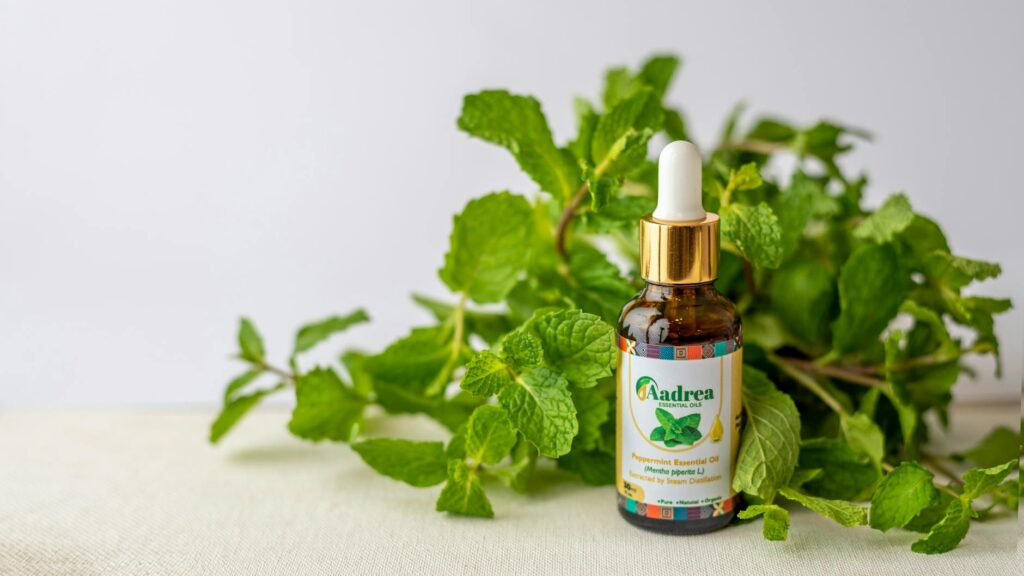
Steam distilled peppermint oil is an essential oil obtained through the steam distillation process of the leaves and flowering tops of the peppermint plant. This method involves passing steam through the plant material, which helps to release volatile compounds. The steam is then cooled, condensing into liquid, where the oil separates from the water due to its lighter density.
The resulting oil is a clear to pale yellow liquid with a characteristic minty aroma, rich in menthol, menthone, and other beneficial compounds. The quality of peppermint oil can vary based on factors such as plant variety, geographical location, and extraction techniques.
Key Benefits and Properties
Peppermint oil is celebrated for its diverse array of properties:
- Cooling Sensation: The prominent menthol content creates a cooling effect, often used for its soothing qualities on the skin.
- Aromatherapy Benefits: The invigorating scent of peppermint oil is known to promote mental clarity and alertness, making it a popular choice in aromatherapy.
- Digestive Support: Historically, peppermint has been used to aid digestion, though these uses are typically based on tradition rather than scientific validation.
- Antimicrobial Properties: Some studies suggest that peppermint oil may possess antimicrobial effects, making it a subject of interest in natural cleaning products.
- Cosmetics and Personal Care: Its cooling properties and pleasant scent make it a common ingredient in skincare products, shampoos, and dental hygiene items.
- Food and Beverage: Peppermint oil is often used as a flavoring agent in candies, gums, teas, and other culinary delights.
- Household Products: The oil’s antimicrobial qualities lead to its incorporation in cleaning formulations, air fresheners, and pest repellents.
- Diffusion: Adding a few drops of peppermint oil to a diffuser can invigorate a space, promoting alertness and clarity.
- Inhalation: Inhaling peppermint oil directly from the bottle or via a cotton ball can provide immediate cognitive benefits.
- Massage Blends: When diluted with carrier oils, peppermint oil can be included in massage blends to offer a cooling sensation, particularly useful after physical exertion.
- Dilution: Essential oils are potent and should typically be diluted with a carrier oil before topical application to avoid skin irritation.
- Pregnancy and Nursing: Pregnant or nursing women should consult healthcare professionals before using peppermint oil.
- Children and Sensitivity: Use caution when applying peppermint oil around children and individuals with sensitive skin, as it may cause irritation.
- Allergies: A patch test is recommended before widespread use, particularly for those with known allergies to mint family plants.
- Container: Store the oil in a dark glass bottle to protect it from light, which can degrade its quality.
- Temperature: Keep the oil in a cool, dry place, away from direct sunlight and heat sources.
- Shelf Life: When stored correctly, peppermint oil generally has a shelf life of 3 to 5 years. However, it is advisable to check for changes in aroma or consistency, which may indicate degradation.
Common Uses
Steam distilled peppermint oil has found its way into various applications across multiple industries:
Aromatherapy Applications
In the realm of aromatherapy, steam distilled peppermint oil is frequently utilized for its stimulating and uplifting effects. It is believed to enhance focus, boost energy, and alleviate feelings of fatigue or mental fog. Common practices include:
Safety Considerations
While steam distilled peppermint oil is generally regarded as safe for most individuals when used appropriately, there are some important safety considerations to keep in mind:
Storage and Shelf Life
Proper storage of steam distilled peppermint oil is crucial for maintaining its quality and potency. Here are some guidelines for optimal storage:
Frequently Asked Questions
How is steam distilled peppermint oil made?
Steam distilled peppermint oil is produced by passing steam through the leaves and flowering tops of the peppermint plant. This process extracts the volatile compounds, which are then condensed into liquid, allowing the oil to separate from the water.
Can I use peppermint oil directly on my skin?
While peppermint oil can be used topically, it is essential to dilute it with a carrier oil to prevent skin irritation. A patch test is advisable before widespread application.
Is peppermint oil safe for children?
Precaution is advised when using peppermint oil around children. Due to its potency, it should be diluted and used sparingly. Consulting a healthcare professional is recommended for individualized advice.
What are the differences between peppermint oil and spearmint oil?
Peppermint oil contains higher levels of menthol, giving it a stronger, more intense aroma compared to spearmint oil, which has a sweeter, milder scent. The chemical composition of the two oils also differs, leading to varied uses and effects.
Can peppermint oil help with headaches?
Peppermint oil is often used in aromatherapy to alleviate headache discomfort due to its cooling properties. However, individual experiences may vary, and it is not a substitute for professional medical advice.
Conclusion
The history and origins of steam distilled peppermint oil reveal a deep-rooted connection between nature and human experience. From ancient herbal practices to modern aromatherapy, peppermint oil has maintained its significance as a versatile essential oil. Its diverse benefits, applications, and rich aromatic properties continue to captivate enthusiasts, making it a staple in both personal care and holistic practices. Through understanding its history, benefits, and safe usage, individuals can appreciate the full spectrum of what steam distilled peppermint oil has to offer.