
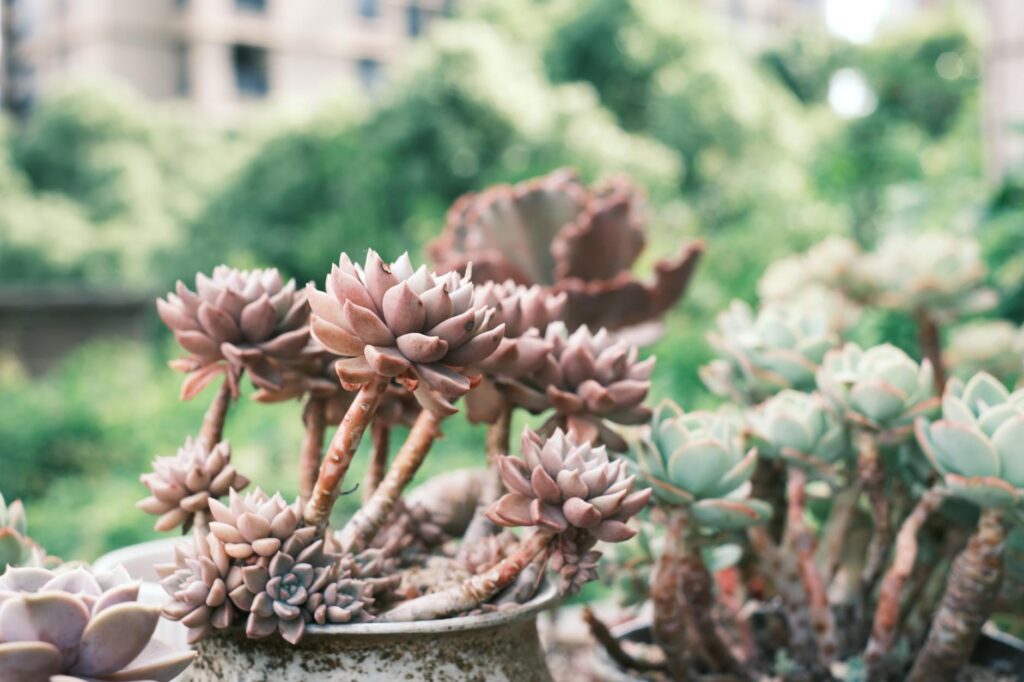
History and Origins of Succulent Plants
Introduction
Succulent plants, known for their unique ability to store water in their leaves, stems, or roots, have fascinated botanists, horticulturists, and plant enthusiasts for centuries. With their striking appearances and diverse forms, succulents have established themselves not only as resilient flora in arid climates but also as popular ornamental plants around the globe. This article delves into the history and origins of succulent plants, exploring their classification, benefits, uses, and the role they play in aromatherapy, while also touching on safety considerations and storage.
What Are Succulent Plants?
Succulent plants are characterized by their fleshy parts that enable them to retain water, making them highly adaptable to dry environments. They belong to various families within the plant kingdom, with the most notable being Cactaceae (cacti), Crassulaceae (stonecrops), and Aizoaceae (ice plants). Succulents vary widely in size, shape, and color, exhibiting a stunning array of adaptations that allow them to thrive in arid conditions.
Despite the common misconception that all succulents are cacti, not all succulents belong to this family. The term “succulent” refers to any plant with thickened, fleshy tissues adapted to store water. This characteristic can be found in many plant families, including Aloe, Echeveria, and Sedum.
Key Benefits and Properties
Succulent plants offer various benefits that extend beyond their ornamental appeal. Some of these include:
1. Water Conservation: Their ability to store water allows them to survive in environments with minimal rainfall, making them an excellent choice for low-water gardens.
2. Drought Resistance: Succulents are inherently resilient, capable of withstanding extreme temperatures and prolonged periods of drought.
3. Air Purification: Certain succulent species can help improve indoor air quality by absorbing carbon dioxide and releasing oxygen, contributing to a healthier living environment.
4. Aesthetic Appeal: With their diverse shapes, colors, and textures, succulents add visual interest to gardens, homes, and office spaces.
5. Ease of Care: Succulents generally require low maintenance, making them suitable for beginners and busy individuals.
Common Uses
Succulent plants have been utilized in various ways throughout history, including:
1. Ornamental Gardening: Succulents are prized for their unique appearances and are often used in landscaping, container gardening, and decorative arrangements.
2. Culinary Uses: Some succulent plants, like Aloe vera and certain species of Agave, are used in culinary applications, providing ingredients for beverages and health products.
3. Cultural Significance: In many cultures, succulents hold symbolic meanings, representing endurance and resilience. They are often gifted to convey good luck and prosperity.
4. Traditional Medicine: While not intended as medical advice, certain succulent plants have been historically used in traditional remedies, particularly in indigenous cultures.
Aromatherapy Applications
While succulents are primarily valued for their aesthetic qualities, some species, particularly those in the Aloe family, are associated with aromatherapy applications. Aloe vera, for instance, is known for its soothing properties and is often used in skin-care products. The gel extracted from its leaves has a mild fragrance and is sometimes included in aromatic blends for its calming effects.
However, it is essential to note that not all succulents are used in aromatherapy. Unlike aromatic plants such as lavender or eucalyptus, succulents do not typically produce essential oils. Nevertheless, the mere presence of these plants can contribute to a calming and visually appealing environment, indirectly enhancing well-being and relaxation.
Safety Considerations
While many succulents are safe to handle and cultivate, some species can be toxic to pets and humans if ingested. It is crucial to research specific plants before introducing them into your home or garden, especially if children or pets are present.
Common succulents like Aloe vera are generally safe for topical use; however, ingestion can lead to gastrointestinal upset in some individuals. Always consult reliable sources for information on plant toxicity and be cautious when using any plant for culinary or topical purposes.
Storage and Shelf Life
Succulent plants are relatively easy to care for and can thrive indoors or outdoors, depending on their species. Here are some storage and maintenance tips:
1. Light Requirements: Most succulents prefer bright, indirect sunlight. Ensure they receive adequate light to maintain their vibrant colors and healthy growth.
2. Watering: Succulents should be watered sparingly. Allow the soil to dry out completely between watering to prevent root rot. During the winter months, many succulents enter a dormant phase and require even less water.
3. Soil Conditions: Use a well-draining soil mix designed for succulents or cacti. This helps prevent water accumulation, which can lead to root decay.
4. Temperature and Humidity: Succulents generally prefer warm, dry conditions. Avoid exposing them to extreme cold or high humidity environments.
5. Repotting: As succulents grow, they may outgrow their containers. Repot when necessary, using fresh soil to provide essential nutrients.
Succulents can live for several years with proper care; however, their longevity can vary depending on species, environmental conditions, and maintenance practices.
Frequently Asked Questions
1. What are the most popular types of succulents?
Some of the most popular types of succulents include Echeveria, Sedum, Aloe, Haworthia, and Jade plants (Crassula ovata). Each has its unique characteristics and care requirements.
2. How often should I water my succulents?
Watering frequency depends on the species and environmental conditions. Generally, succulents should be watered thoroughly and then allowed to dry out completely before the next watering, which may be every 1-3 weeks.
3. Can succulents survive indoors?
Yes, many succulents thrive indoors as long as they receive adequate light and proper care. Placing them near a window that receives bright, indirect sunlight is ideal.
4. Are there any succulents that are safe for pets?
While many succulents are non-toxic, some, like Aloe vera and certain species of Euphorbia, can be harmful to pets if ingested. Always research specific plant species before introducing them to your home.
5. How do I propagate succulents?
Succulents can be propagated through leaf cuttings, offsets, or seeds, depending on the species. Leaf cuttings are a common method; simply remove a healthy leaf, let it dry for a few days to form a callus, and then place it in well-draining soil.
Conclusion
Succulent plants boast a rich history and have evolved to thrive in some of the most challenging environments on Earth. Their unique features, coupled with their resilience and low maintenance, make them a favorite among gardeners and plant enthusiasts. Whether used as ornamental elements in homes or gardens or appreciated for their cultural significance, succulents continue to captivate people around the world. Understanding their origins, benefits, and care can enhance our appreciation for these remarkable plants and the role they play in our lives.