
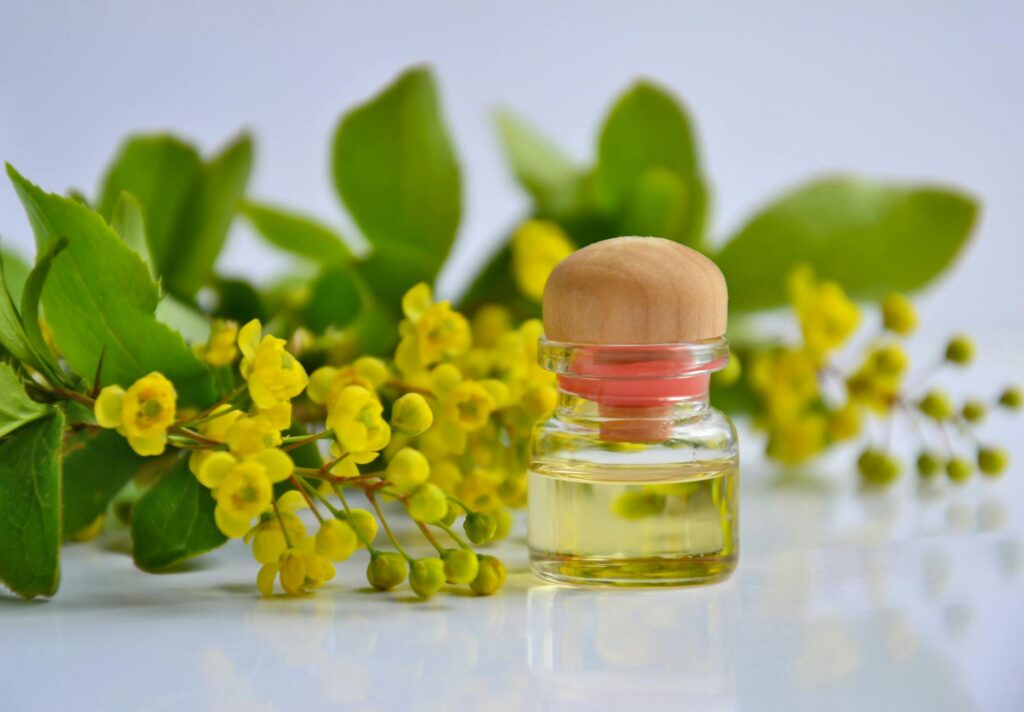
History and Origins of Supercritical Fluid Extraction
Introduction
Supercritical Fluid Extraction (SFE) is a sophisticated technique that has gained significant attention in the fields of chemistry, food science, and herbal medicine, particularly in the realm of essential oils and aromatherapy. This process utilizes supercritical fluids—substances that are above their critical temperature and pressure—to extract valuable compounds from various materials. The history and development of SFE reveal a fascinating intersection of scientific innovation and practical application, leading to its current status as a preferred method for extracting essential oils and other botanical compounds.
What Is Supercritical Fluid Extraction?
Supercritical fluids possess unique properties that distinguish them from gases and liquids. When a substance is heated and pressurized beyond its critical point, it enters a state where it can diffuse through solids like a gas while dissolving materials like a liquid. Carbon dioxide (CO2) is the most commonly used supercritical fluid due to its non-toxic nature, low cost, and ability to selectively extract compounds.
In SFE, the supercritical fluid is passed through the material from which the compounds are to be extracted. As it moves through the plant material, it dissolves essential oils, terpenes, and other valuable compounds. This process is highly efficient and can be finely tuned by adjusting temperature and pressure, allowing for selective extraction of desired constituents.
Key Benefits and Properties
The advantages of supercritical fluid extraction over traditional methods such as steam distillation or solvent extraction are numerous:
1. Efficiency: SFE can extract higher yields of essential oils in a shorter time frame compared to conventional methods.
2. Selectivity: By adjusting the pressure and temperature, specific compounds can be targeted, resulting in a more refined product.
3. Solvent-Free: Since supercritical CO2 is often used without additional solvents, the final product is more pure and free from residual solvents.
4. Preservation of Aroma: SFE tends to preserve the delicate aroma and therapeutic properties of essential oils better than other methods.
5. Environmental Impact: The use of CO2 as a solvent is environmentally friendly, as it is a naturally occurring gas that can be recycled.
6. Scalability: SFE systems can be scaled from laboratory settings to industrial production, making it versatile for various applications.
Common Uses
Supercritical fluid extraction has a wide range of applications across different industries:
1. Food and Beverage: SFE is used to extract flavors, colors, and active compounds such as caffeine from coffee beans and essential oils from spices.
2. Pharmaceuticals: In the pharmaceutical industry, SFE is utilized for extracting active ingredients from plants, ensuring high purity and bioavailability.
3. Cosmetics: Many cosmetic products incorporate essential oils derived from supercritical extraction, benefiting from their enhanced properties.
4. Aromatherapy: The method is particularly valued for producing high-quality essential oils used in aromatherapy, providing a richer sensory experience.
Aromatherapy Applications
The application of supercritical fluid extraction in aromatherapy has transformed how essential oils are sourced and utilized. The ability to selectively extract compounds means that aromatherapists can obtain oils that carry specific therapeutic benefits. For example:
1. Lavender Oil: Supercritical extraction can yield a more concentrated form of lavender oil, preserving its calming and relaxing properties.
2. Peppermint Oil: The extraction process can enhance the menthol content, making the oil more effective for its invigorating and refreshing qualities.
3. Citrus Oils: Oils such as orange and lemon can be extracted with minimal loss of their bright, uplifting scents, which are essential in aromatherapy.
Furthermore, the preserved chemical profile of oils extracted through SFE often leads to better synergy among the various compounds, enhancing the overall effectiveness of the oils when used in aromatherapy practices.
Safety Considerations
While supercritical fluid extraction is generally regarded as a safe method, certain considerations should be kept in mind:
1. Equipment Safety: The high pressures involved in SFE require specialized equipment designed to handle these conditions. Proper training and adherence to safety protocols are essential.
2. Purity of CO2: The quality of the CO2 used in the process must be monitored to avoid contamination of the final product.
3. End Product Testing: Regular testing of the extracted oils is crucial to ensure they meet safety standards and are free from contaminants.
4. Allergies and Sensitivities: Individuals should be aware of any allergies or sensitivities to specific essential oils, regardless of the extraction method used.
Storage and Shelf Life
The storage and shelf life of essential oils extracted via supercritical fluid extraction can influence their efficacy and aroma. Proper storage conditions are vital:
1. Dark Containers: Essential oils should be stored in dark glass containers to protect them from light, which can degrade their properties.
2. Cool Temperatures: Oils should be kept in a cool, dry place to prevent oxidation and loss of quality.
3. Sealed Containers: Ensure that containers are tightly sealed to minimize exposure to air, which can lead to oxidation.
The shelf life of supercritical extracted oils can vary based on the specific oil and storage conditions, but generally, they can last from one to several years if stored correctly.
Frequently Asked Questions
1. Is supercritical fluid extraction safe for food products?
Yes, when performed under controlled conditions, SFE is considered safe for food products, as it typically does not involve harmful solvents.
2. Can I perform supercritical fluid extraction at home?
Due to the specialized equipment and safety requirements, SFE is not recommended for home use. It is best conducted in professional or industrial settings.
3. What is the difference between SFE and traditional extraction methods?
SFE is generally more efficient, selective, and environmentally friendly than traditional methods like steam distillation or solvent extraction.
4. Are there any downsides to supercritical fluid extraction?
While SFE offers many advantages, it requires significant investment in equipment and expertise, which may limit access for smaller producers or home users.
5. How do I know if an essential oil is extracted using supercritical fluid extraction?
Manufacturers may indicate the extraction method on product labels. Look for terms like “supercritical CO2 extracted” for assurance.
Conclusion
The history and origins of supercritical fluid extraction highlight its evolution from a scientific curiosity to a cornerstone technique in various industries, especially in the extraction of essential oils for aromatherapy. With its distinct advantages, SFE is not merely a method of extraction but a means to enhance the quality and efficacy of botanical products. Understanding this process allows consumers, practitioners, and producers alike to appreciate the complexity and value of the essential oils they use.