
History and Origins of Sweet Almond Oil
Introduction
Sweet almond oil, derived from the seeds of the Prunus amygdalus dulcis tree, has a storied history and numerous applications in various fields, including culinary arts, cosmetics, and aromatherapy. This oil has been cherished for centuries for its beneficial properties and versatility. Understanding the history and origins of sweet almond oil not only enhances our appreciation of this natural product but also informs its modern uses in wellness practices today.
What Is Sweet Almond Oil?
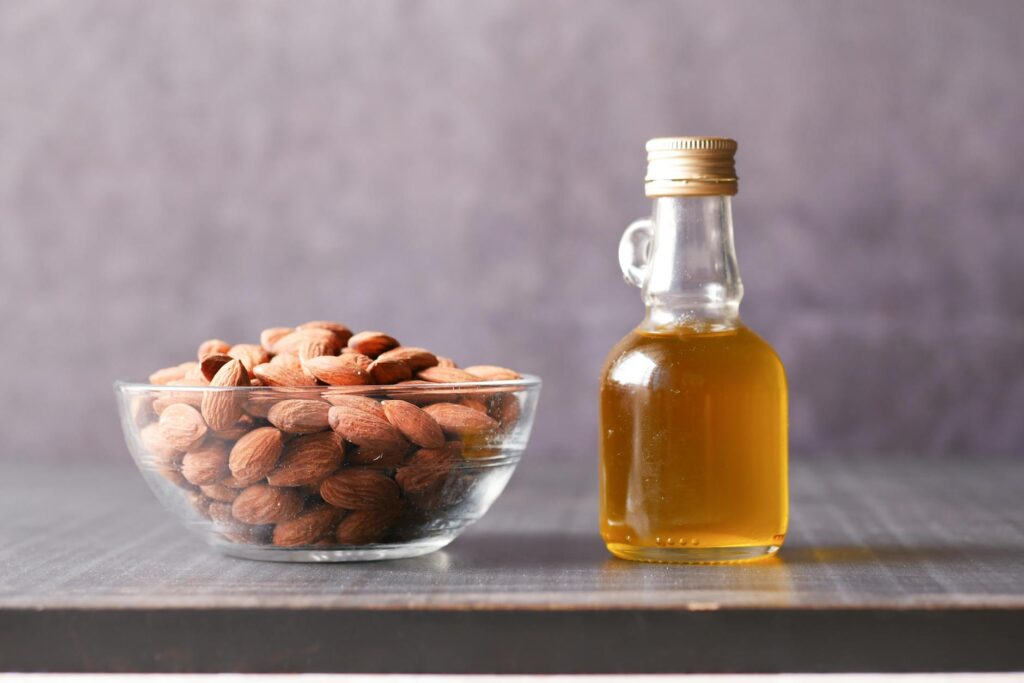
Sweet almond oil is a pale yellow, light oil extracted from the dried kernels of the sweet almond tree. The sweet almond tree is native to the Mediterranean regions of Europe, Western Asia, and the Indian subcontinent. Distinct from bitter almond oil, which is derived from the seeds of the bitter almond tree (Prunus amygdalus var. amara) and contains toxic compounds, sweet almond oil is safe for consumption and topical use.
The oil is typically cold-pressed, a method that preserves its nutritional value and delicate flavor. Sweet almond oil is rich in mono- and polyunsaturated fatty acids, vitamins, and minerals, making it a prized ingredient in many health and beauty applications.
Key Benefits and Properties
Sweet almond oil is renowned for its myriad benefits, which stem primarily from its composition. Some of its key properties include:
- Nutrient-Rich: It contains essential fatty acids, such as oleic and linoleic acid, which promote skin health. Additionally, it is rich in vitamins E and A, which are known for their antioxidant properties.
- Moisturizing: Due to its emollient properties, sweet almond oil is an excellent moisturizer that can help soothe dry skin and improve overall skin texture.
- Anti-Inflammatory: The oil has mild anti-inflammatory properties, making it suitable for calming irritated skin and reducing redness.
- Antioxidant: Vitamin E in sweet almond oil acts as an antioxidant, protecting skin cells from oxidative stress and environmental damage.
- Cosmetics and Skincare: Due to its moisturizing properties, it is commonly used in lotions, creams, and massage oils. It can also be found in makeup products, hair conditioners, and soaps.
- Culinary Uses: In cooking, sweet almond oil serves as a flavorful oil for salad dressings, marinades, and baking. Its mild, nutty flavor enhances various dishes without overpowering them.
- Massage Therapy: As a base oil for massage therapy, sweet almond oil glides smoothly over the skin, allowing for easy application and absorption.
- Nutritive Supplements: Sweet almond oil can be consumed for its health benefits, providing a natural source of energy and nutrients.
- Blending with Essential Oils: Sweet almond oil is frequently mixed with essential oils such as lavender, chamomile, or tea tree oil for various therapeutic effects. This combination enhances the aroma while providing the skin-nourishing benefits of almond oil.
- Massage Blends: Many aromatherapists use sweet almond oil as a base for massage blends, as it provides a smooth application and allows for the absorption of essential oils into the skin.
- Diffusion: While sweet almond oil is not typically used in diffusers, it can be included in bath oils or inhalation blends to enhance the overall experience of relaxation and well-being.
- Allergies: Individuals with nut allergies should exercise caution and consult a healthcare professional before using sweet almond oil. Allergic reactions can occur in sensitive individuals.
- Skin Sensitivity: It is advisable to conduct a patch test before applying sweet almond oil topically, especially for individuals with sensitive skin, to ensure no adverse reactions occur.
- Quality and Purity: When purchasing sweet almond oil, it is important to choose high-quality, cold-pressed oil to ensure that it is free from additives and contaminants. Organic options are often recommended for those seeking purity.
- Storage Conditions: Store sweet almond oil in a cool, dark place, away from direct sunlight and heat sources. A dark glass container is ideal for preserving its integrity.
- Shelf Life: When stored correctly, sweet almond oil has a shelf life of about 1 to 2 years. However, it is advisable to check for any changes in smell, color, or consistency before use, as these may indicate rancidity.
Common Uses
Sweet almond oil has a wide range of applications, making it a staple in various industries:
Aromatherapy Applications
In the realm of aromatherapy, sweet almond oil is often used as a carrier oil due to its neutral scent and beneficial properties. It effectively dilutes essential oils, allowing for safe topical application. Common aromatherapy applications include:
Safety Considerations
While sweet almond oil is generally considered safe for most people, there are a few safety considerations to keep in mind:
Storage and Shelf Life
Proper storage is crucial for maintaining the quality of sweet almond oil. Here are some guidelines:
Frequently Asked Questions
1. Can sweet almond oil be used for cooking?
Yes, sweet almond oil is safe for culinary use and is often utilized in salad dressings, baking, and marinades due to its mild flavor.
2. Is sweet almond oil suitable for all skin types?
While sweet almond oil is generally suitable for most skin types, those with nut allergies or very sensitive skin should conduct a patch test or consult with a healthcare professional before use.
3. How can I incorporate sweet almond oil into my skincare routine?
Sweet almond oil can be used as a moisturizer, mixed with essential oils for massage, or added to bath water for a nourishing soak.
4. Can sweet almond oil be used in aromatherapy?
Yes, sweet almond oil is commonly used as a carrier oil in aromatherapy. It effectively dilutes essential oils for safe topical application.
5. How do I know if my sweet almond oil has gone bad?
Check for any changes in smell, color, or consistency. Rancid oil may have an off or sour odor, and it is best to discard it if these changes are present.
Conclusion
Sweet almond oil, with its rich history and diverse applications, continues to be a valuable resource in modern wellness practices. Its nutrient-rich profile and versatile nature make it a staple in both the culinary world and the realm of aromatherapy and skincare. By understanding its origins and benefits, individuals can better appreciate and harness the potential of sweet almond oil in their daily lives. Whether for cooking, skincare, or relaxation, this oil remains a timeless addition to holistic health and beauty practices.