
History and Origins of Sweet Orange Oil
Introduction
Sweet orange oil, derived from the peels of the Citrus sinensis fruit, has a rich history that spans centuries and continents. It has been celebrated not only for its uplifting scent but also for its versatile applications in various domains, from culinary to cosmetic. This article delves into the fascinating history and origins of sweet orange oil, outlining its significance in ancient cultures, its extraction methods, and its contemporary uses.
What Is Sweet Orange Oil?
Sweet orange oil is a cold-pressed essential oil extracted from the zest of the ripe fruit of the sweet orange tree, a member of the Rutaceae family. The oil is characterized by its bright, citrusy aroma that is both refreshing and uplifting. It is distinct from bitter orange oil, which is derived from the Citrus aurantium species and has a different set of properties and uses.
The sweet orange tree is native to Southeast Asia, but it has been cultivated in various regions around the world, including Europe, the Americas, and Africa. The oil contains numerous compounds, including limonene, myrcene, and linalool, which contribute to its fragrance and therapeutic benefits.
Key Benefits and Properties
Sweet orange oil is renowned for its diverse range of properties, making it a popular choice in the realm of aromatherapy and beyond. Some of its key properties include:
- Mood Enhancement: The uplifting scent of sweet orange oil is often associated with improved mood and reduced stress levels. Its aroma is known to promote feelings of joy and relaxation.
- Antimicrobial Properties: Preliminary studies suggest that sweet orange oil may possess antimicrobial qualities, making it a valuable ingredient in cleaning products and personal care items.
- Anti-inflammatory Effects: Some research indicates that compounds found in sweet orange oil might exhibit anti-inflammatory properties, although more studies are needed to fully understand these effects.
- Digestive Aid: The oil has been traditionally used to support digestive health, although this aspect is more anecdotal than scientifically validated.
- Skin Sensitivity: Some individuals may experience skin irritation when using sweet orange oil topically. It is advisable to perform a patch test before applying it to larger areas of the skin.
- Photosensitivity: Citrus oils, including sweet orange, can cause photosensitivity. It is recommended to avoid sun exposure after applying the oil to the skin.
- Pregnancy and Nursing: Pregnant or nursing individuals should consult a healthcare provider before using sweet orange oil or any essential oils.
- Children: Caution should be exercised when using essential oils around children. Dilution is recommended, and it is best to avoid using oils on infants.
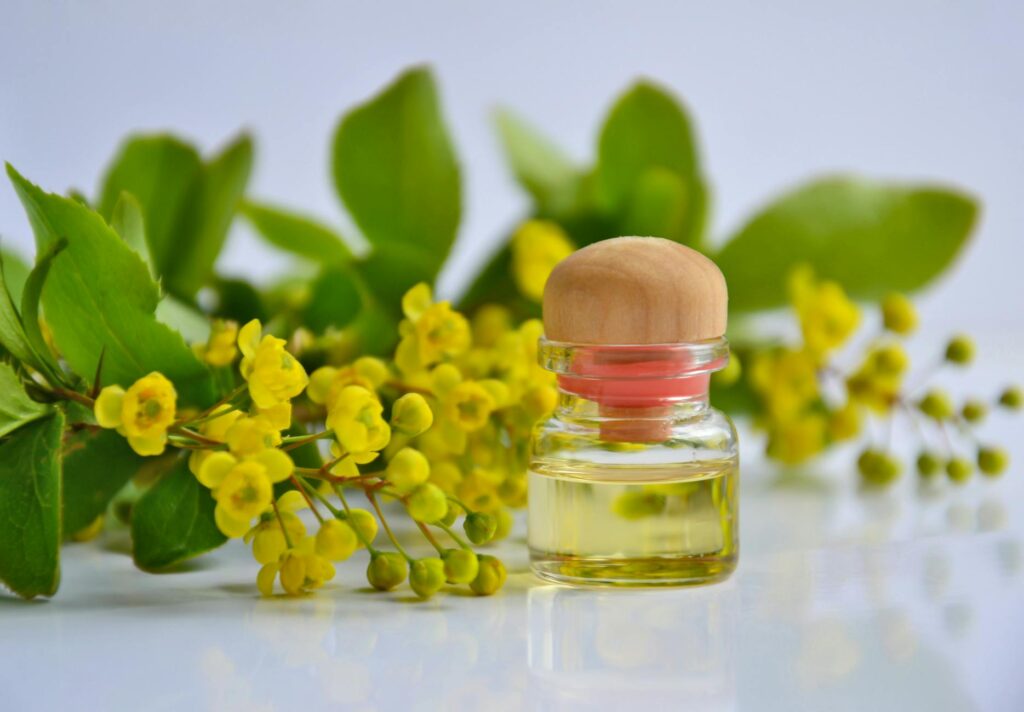
- Container: Store sweet orange oil in a dark glass bottle to protect it from light, which can degrade the oil’s quality.
- Temperature: Keep the oil in a cool, dry place away from direct sunlight and heat sources.
- Shelf Life: When stored correctly, sweet orange oil can last for approximately 1-2 years. It’s important to check for any changes in scent, color, or consistency, which may indicate that the oil has gone rancid.
Common Uses
Sweet orange oil has a multitude of applications across various fields:
1. Aromatherapy
In aromatherapy, sweet orange oil is often used in diffusers or added to bathwater for its calming effects. Its fragrance is believed to enhance overall well-being and alleviate anxiety.
2. Skincare
Due to its antimicrobial properties, sweet orange oil is commonly found in skincare formulations. It is often used in facial cleansers, toners, and moisturizers, helping to brighten the skin and improve overall complexion.
3. Household Cleaning
Many natural cleaning products incorporate sweet orange oil for its pleasant scent and potential antibacterial properties. It can be used to create DIY cleaning solutions for surfaces, floors, and laundry.
4. Culinary Uses
In culinary applications, sweet orange oil can be used as a flavoring agent in desserts, beverages, and marinades. Its vibrant flavor can enhance various dishes, adding a citrusy touch.
Aromatherapy Applications
In the world of aromatherapy, sweet orange oil is particularly valued for its uplifting and energizing effects. Here are some common applications:
1. Diffusion
Sweet orange oil can be diffused in the air using an essential oil diffuser. This method disperses the oil’s molecules throughout the space, creating a pleasant and refreshing atmosphere.
2. Inhalation
For immediate benefits, sweet orange oil can be inhaled directly from the bottle or added to a tissue or cotton ball. This method is often used for quick mood enhancement.
3. Massage
When diluted with a carrier oil, sweet orange oil can be used in massage therapy. Its soothing aroma and properties may help relax tense muscles and promote emotional well-being.
4. Bathing
Adding sweet orange oil to bathwater can create a luxurious and invigorating experience. It is often included in bath salts and oils for its aromatic and skin-beneficial qualities.
Safety Considerations
While sweet orange oil is generally safe for most individuals, certain precautions should be taken:
Storage and Shelf Life
To maintain the quality and efficacy of sweet orange oil, proper storage is essential:
Frequently Asked Questions
1. How is sweet orange oil extracted?
Sweet orange oil is typically extracted through cold pressing, a method that involves mechanically pressing the peels of the fruit to release the oil. This process preserves the oil’s aromatic and therapeutic properties.
2. Can sweet orange oil be ingested?
While sweet orange oil is used in culinary applications, it is important to ensure that the oil is food-grade and safe for consumption. Always consult a qualified professional before ingesting essential oils.
3. Is sweet orange oil safe for children?
Sweet orange oil can be used around children with caution. It is advisable to dilute the oil and consult a healthcare provider for guidance on safe usage.
4. What is the difference between sweet orange oil and bitter orange oil?
Sweet orange oil is derived from the sweet orange fruit (Citrus sinensis) and has a sweet, pleasant aroma. In contrast, bitter orange oil comes from Citrus aurantium and has a more complex, sometimes bitter scent. The two oils have different properties and uses in aromatherapy and skincare.
5. How can I incorporate sweet orange oil into my daily routine?
Sweet orange oil can be added to your daily routine in various ways, such as using it in a diffuser, adding a few drops to your bath, incorporating it into homemade cleaning solutions, or using it in skincare products.
—
In conclusion, sweet orange oil is a versatile and beneficial essential oil with a rich history. From its therapeutic properties to its applications in aromatherapy and everyday life, sweet orange oil continues to be a cherished resource for enhancing well-being and enriching experiences. As with any essential oil, understanding its origins and properties enables users to appreciate and utilize it responsibly.