
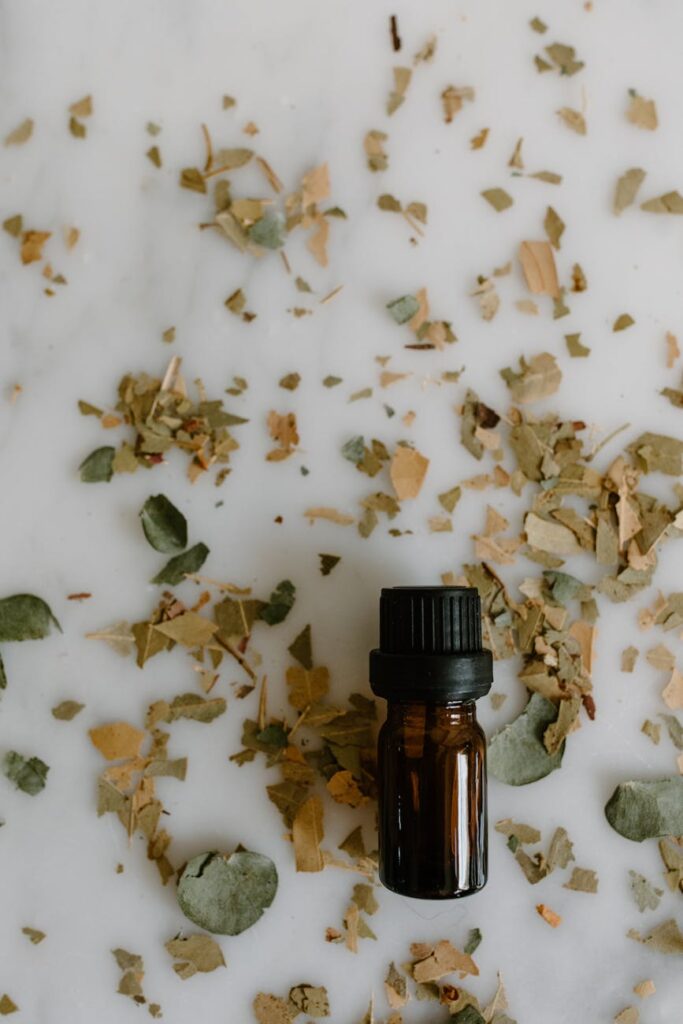
History and Origins of Tamanu Oil
Introduction
Tamanu oil, a richly textured oil derived from the nuts of the Tamanu tree (Calophyllum inophyllum), has a storied history rooted in traditional practices. Known for its remarkable properties and versatility, tamanu oil has been utilized for centuries in various cultures, particularly in Southeast Asia and the South Pacific. This article delves into the rich history and origins of tamanu oil, exploring its traditional uses, properties, and applications in contemporary practices.
What Is Tamanu Oil?
Tamanu oil is an unrefined oil extracted from the seeds of the tamanu tree, which thrives in tropical climates. The tamanu tree is native to regions of the South Pacific, including Tahiti, Hawaii, and other islands, where it is known by various names, such as “Dilo” or “Hawaiian Dilo.” The process of extracting tamanu oil involves collecting the fallen fruits, drying them in the sun, and then cold-pressing the seeds to release the oil.
The resulting oil is thick and greenish-brown, with a distinct nutty aroma. Tamanu oil is rich in fatty acids, antioxidants, and anti-inflammatory compounds, making it a sought-after ingredient in beauty and wellness products.
Key Benefits and Properties
Tamanu oil is celebrated for its numerous beneficial properties, which have contributed to its enduring popularity in traditional and modern practices. Some of the key benefits include:
1. Anti-inflammatory Properties: Tamanu oil is known for its ability to reduce inflammation, making it a popular choice for soothing irritated skin.
2. Antioxidant Rich: The presence of antioxidants helps to combat free radicals, which can lead to premature aging and skin damage.
3. Moisturizing: With its rich fatty acid content, tamanu oil provides deep hydration, making it effective for dry or dehydrated skin.
4. Wound Healing: Traditionally, tamanu oil has been used to promote skin regeneration, aiding in the healing of minor cuts, scars, and blemishes.
5. Antimicrobial Effects: Some studies suggest that tamanu oil possesses antimicrobial properties, which can help protect the skin from infections.
Common Uses
Tamanu oil’s versatility means it can be found in a variety of applications:
- Skin Care: Widely used in creams, lotions, and serums, tamanu oil is popular for its moisturizing and healing properties. It is often incorporated into products aimed at treating acne, eczema, and psoriasis.
- Hair Care: The oil can be applied to hair to nourish and hydrate, helping to manage frizz and promote shine.
- Massage Oil: Its smooth texture and beneficial properties make tamanu oil a preferred choice for massage therapists seeking to enhance relaxation and nourishment.
- Cosmetics: Tamanu oil is often featured in natural makeup products, providing both skin benefits and a unique texture.
- Patch Test: Before using tamanu oil extensively, it is advisable to perform a patch test on a small area of skin to check for any allergic reactions.
- Pregnancy and Nursing: As with any essential oil or carrier oil, pregnant or nursing individuals should consult a healthcare professional before use.
- Allergies: Those with nut allergies should exercise caution, as tamanu oil is derived from a nut. It is advisable to consult with a healthcare provider if there are any concerns regarding allergies.
- Avoiding Sensitive Areas: Tamanu oil should not be applied to sensitive areas, such as the eyes or mucous membranes.
- Cool, Dark Place: Tamanu oil should be stored in a cool, dark location away from direct sunlight to prevent oxidation.
- Tightly Sealed Containers: Keeping the oil in tightly sealed dark glass containers can help prolong its shelf life.
- Shelf Life: Typically, tamanu oil has a shelf life of about 1-2 years when stored properly. Checking for any changes in smell, color, or texture can indicate whether the oil has gone rancid.
Aromatherapy Applications
In aromatherapy, tamanu oil is not typically used for its scent, as its aroma is more earthy and nutty than floral or fragrant. However, it serves as an excellent carrier oil for essential oils due to its emollient properties. When blended with essential oils, tamanu oil can help to enhance the therapeutic effects of the oils while also providing its own skin benefits.
Common essential oils that can be blended with tamanu oil for topical applications include lavender, tea tree, and frankincense. These combinations can be utilized in various ways, such as in massage blends, skin serums, or DIY skincare formulations.
Safety Considerations
While tamanu oil is generally regarded as safe for topical use, it is important to consider some precautions:
Storage and Shelf Life
To maintain the quality and efficacy of tamanu oil, proper storage practices are essential:
Frequently Asked Questions
1. Can tamanu oil be used on all skin types?
Tamanu oil is generally suitable for most skin types, including dry, oily, and combination skin. However, individuals with very sensitive skin should perform a patch test before widespread use.
2. Is tamanu oil comedogenic?
Tamanu oil is considered to have a low comedogenic rating, meaning it is less likely to clog pores. However, individual reactions may vary.
3. How can tamanu oil be applied to the skin?
Tamanu oil can be applied directly to the skin using clean hands or a cotton pad. It is often recommended to use it as part of a skincare routine, either alone or blended with other oils or skincare products.
4. Is tamanu oil safe for children?
While tamanu oil is generally safe for topical use, it is advisable to consult a pediatrician before using it on children, especially infants or those with sensitive skin.
5. Where can I purchase tamanu oil?
Tamanu oil is widely available in health food stores, specialty beauty supply shops, and online retailers. When purchasing, it is important to choose high-quality, cold-pressed, and unrefined tamanu oil to ensure the best properties and benefits.
Conclusion
Tamanu oil has a rich history and a multitude of applications, making it a valuable addition to natural skincare and aromatherapy practices. Its origins in traditional cultures highlight its long-standing significance, while contemporary uses continue to evolve. With its many benefits and versatile applications, tamanu oil remains a cherished natural remedy across the globe. As with any natural product, proper usage and consideration of safety are vital to maximizing its benefits and ensuring a positive experience.