
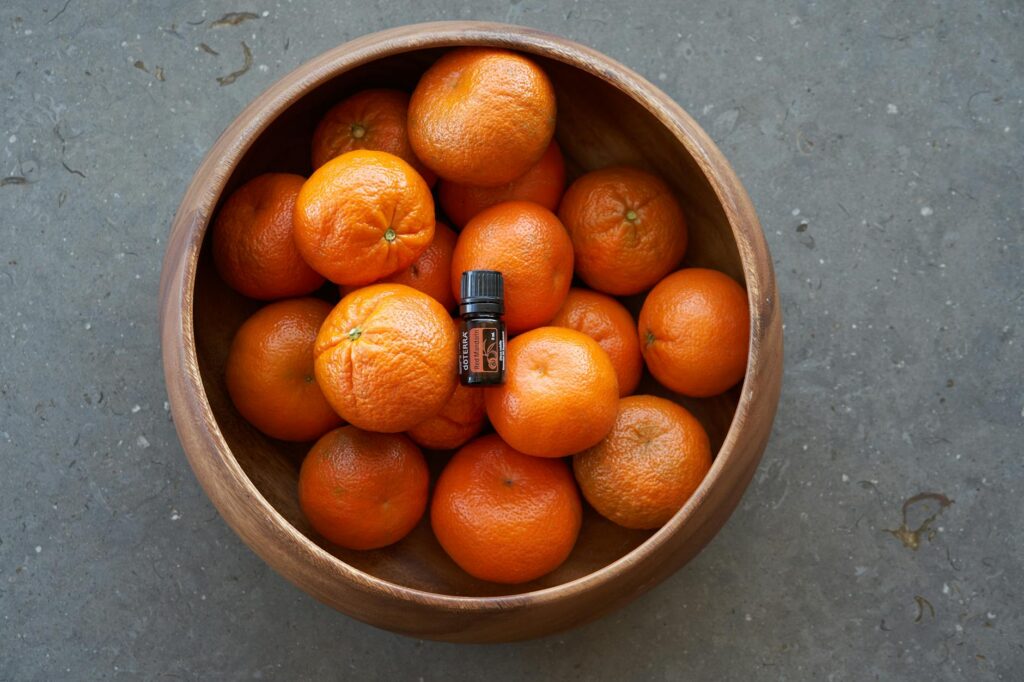
History and Origins of Tangerine Oil
Introduction
Tangerine oil, derived from the peels of the Citrus reticulata fruit, is a fragrant essential oil that has captivated the senses for centuries. Its origins can be traced back to ancient civilizations, where it was cherished not only for its delightful aroma but also for its numerous applications in culinary, cultural, and medicinal practices. As we delve into the history and origins of tangerine oil, we will explore its botanical characteristics, key benefits, common uses, and more.
What Is Tangerine Oil?
Tangerine oil is a volatile essential oil extracted from the peel of the tangerine fruit through cold-pressing methods. This extraction process preserves the oil’s natural properties and vibrant scent. The tangerine tree, a member of the Rutaceae family, is native to Southeast Asia but has since been cultivated in various regions around the world, including the Mediterranean, the United States, and South America.
The tangerine fruit is often confused with other citrus fruits such as mandarins, clementines, and oranges, yet it possesses unique characteristics that set it apart. Tangerine oil’s sweet, citrusy aroma is often described as uplifting and refreshing, making it a popular choice in aromatherapy and perfumery.
Key Benefits and Properties
Tangerine oil is celebrated for its numerous benefits and properties, many of which are attributed to its rich composition of active compounds, including limonene, alpha-pinene, and myrcene. These compounds contribute to its uplifting aroma and potential therapeutic properties.
1. Mood Enhancement: The sweet, citrusy scent is believed to promote feelings of joy and relaxation, making it a favored choice for reducing stress and anxiety.
2. Antioxidant Properties: Tangerine oil contains antioxidants that may help combat oxidative stress in the body, contributing to overall well-being.
3. Digestive Support: Traditionally, citrus oils, including tangerine, have been associated with digestive health and may aid in alleviating minor digestive discomfort.
4. Antimicrobial Activity: Some studies suggest that tangerine oil may exhibit antimicrobial properties, potentially combating certain bacteria and fungi.
5. Skin Care: Due to its astringent properties, tangerine oil is sometimes used in skincare formulations to promote a youthful appearance and improve skin texture.
Common Uses
Tangerine oil is versatile and can be used in various applications, including:
1. Aromatherapy: Often utilized in diffusers, tangerine oil can help create a calming and inviting atmosphere, promoting relaxation and well-being.
2. Culinary Uses: The oil can be used sparingly to enhance flavors in desserts, dressings, and marinades, adding a zesty note to culinary creations.
3. Household Cleaners: Due to its antimicrobial properties, tangerine oil is sometimes incorporated into natural cleaning products for its pleasant fragrance and potential disinfectant qualities.
4. Skincare: It is found in a range of skincare products, from lotions to facial oils, for its potential benefits in promoting healthy skin.
5. Massage Oils: When diluted with a carrier oil, tangerine oil can be used in massage blends to enhance relaxation and improve mood.
Aromatherapy Applications
In the realm of aromatherapy, tangerine oil is often employed for its uplifting and mood-enhancing effects. It is frequently blended with other essential oils to create synergistic effects. Some popular combinations include:
1. Citrus Blend: Combining tangerine oil with lemon, grapefruit, or bergamot can create a refreshing and invigorating atmosphere, ideal for combating fatigue.
2. Flower Fusion: Blending tangerine oil with floral oils like lavender or geranium can promote relaxation and reduce feelings of stress.
3. Herbal Harmony: Pairing tangerine oil with herbal oils such as rosemary or basil can create an energizing and clarifying aroma, perfect for enhancing focus.
When using tangerine oil in aromatherapy, it can be diffused, inhaled directly, or added to bathwater for a sensory experience that promotes relaxation and emotional well-being.
Safety Considerations
While tangerine oil is generally recognized as safe for most individuals when used appropriately, certain safety considerations should be kept in mind:
1. Skin Sensitivity: Citrus oils, including tangerine, can cause photosensitivity, meaning they may increase the skin’s sensitivity to sunlight. It is advisable to avoid direct sunlight after applying tangerine oil to the skin.
2. Dilution: Essential oils should always be diluted with a carrier oil before topical application. This reduces the risk of irritation and enhances absorption.
3. Pregnancy and Nursing: Pregnant or nursing individuals should consult with a healthcare professional before using essential oils, including tangerine oil.
4. Allergies: Individuals with allergies to citrus fruits should exercise caution and perform a patch test before using tangerine oil topically.
5. Ingestion: While tangerine oil can be used in culinary applications, it should be consumed in moderation and sourced from reputable suppliers. Not all essential oils are safe for ingestion.
Storage and Shelf Life
Proper storage is essential to maintain the quality and efficacy of tangerine oil. It is best stored in a cool, dark place, away from direct sunlight and heat, in an airtight container. Glass containers are preferred, as they do not react with the oil.
The shelf life of tangerine oil is generally around 1 to 2 years when stored correctly. However, factors such as exposure to light, air, and temperature fluctuations can affect its longevity. Regularly check for any changes in color, scent, or viscosity before use.
Frequently Asked Questions
1. How is tangerine oil extracted?
Tangerine oil is extracted through a cold-pressing method, where the peels of the tangerine fruit are mechanically pressed to release the essential oil.
2. Can I use tangerine oil in cooking?
Yes, tangerine oil can be used in cooking, but it should be used sparingly due to its concentrated nature. Always ensure that the oil is food-grade and from a reputable source.
3. Is tangerine oil safe for children?
While tangerine oil is generally considered safe for children, it is crucial to dilute it properly and consult with a healthcare professional before use, especially for young children.
4. What are the differences between tangerine oil and other citrus oils?
Tangerine oil has a sweeter and more delicate aroma compared to other citrus oils like lemon or grapefruit. Each citrus oil also has its unique chemical composition and potential benefits.
5. Can tangerine oil help with anxiety?
Many individuals use tangerine oil for its uplifting scent, which may contribute to a sense of calm and relaxation. However, individual experiences may vary, and it should not be considered a substitute for professional mental health support.
Conclusion
The history and origins of tangerine oil reflect its significance in various cultures and its enduring popularity in aromatherapy and natural wellness practices. With its delightful aroma and versatile applications, tangerine oil continues to be a beloved essential oil among enthusiasts and practitioners alike. As we explore its benefits and uses, we appreciate the rich botanical heritage that this vibrant oil represents.