
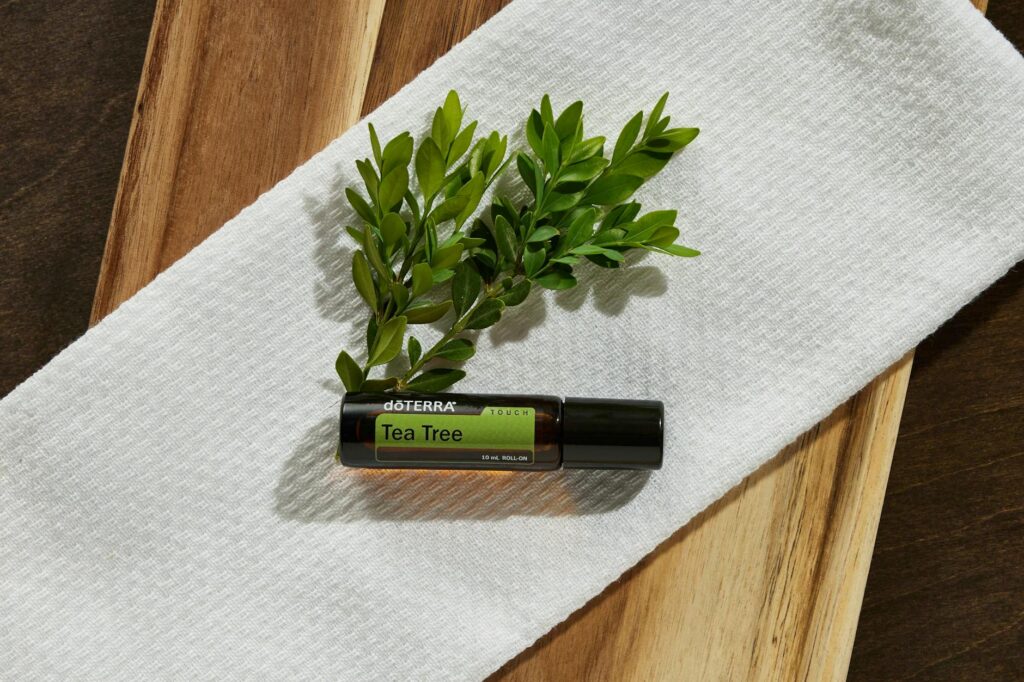
History and Origins of Tea Tree Oil Safety
Introduction
Tea tree oil, derived from the leaves of the Melaleuca alternifolia tree, has captured the attention of cultures worldwide for its myriad uses and benefits. With roots steeped in traditional practices, its journey through history illustrates the complex interplay between nature and human innovation. Understanding the safety of tea tree oil is paramount, as it is used in various applications, from personal care to household cleaning. This article explores the history, origins, and safety considerations associated with tea tree oil, providing a comprehensive overview for those interested in this fascinating essential oil.
What Is Tea Tree Oil Safety?
Tea tree oil safety refers to the practices and guidelines that ensure the safe use of this essential oil. Given its potent properties, it is essential to recognize both its benefits and potential risks. Safety encompasses proper usage, dilution, and storage practices, as well as awareness of individual sensitivities and allergies.
The historical context of tea tree oil safety is crucial, as traditional uses often preceded modern scientific research. Understanding how indigenous cultures utilized tea tree oil can shed light on its safe applications and the respect necessary when incorporating it into contemporary practices.
Key Benefits and Properties
Tea tree oil boasts a diverse array of properties that contribute to its popularity. Among its most notable attributes are:
1. Antimicrobial Properties: Tea tree oil is renowned for its ability to combat bacteria, fungi, and viruses. This characteristic has made it a staple in various natural remedies.
2. Anti-inflammatory Effects: The oil may help reduce inflammation, providing relief for skin irritations and conditions.
3. Antiseptic Qualities: Traditionally used by Indigenous Australians for wound care, tea tree oil’s antiseptic nature helps prevent infection.
4. Expectorant Properties: Some traditional uses include alleviating respiratory issues, as the oil may help clear mucus and ease breathing.
5. Skin Care Benefits: Tea tree oil is often used in formulations targeting acne and other skin conditions due to its ability to reduce oiliness and unclog pores.
Common Uses
Tea tree oil is versatile and can be found in various applications:
- Skin Care: It is often included in lotions, serums, and spot treatments for acne and other skin issues.
- Hair Care: Many shampoos and conditioners incorporate tea tree oil for its ability to combat dandruff and promote a healthy scalp.
- Household Cleaning: Due to its antimicrobial properties, tea tree oil is a popular ingredient in natural cleaning products.
- Aromatherapy: Its invigorating scent makes it a common choice in diffusers and blends for promoting mental clarity and relaxation.
- Diffusion: When diffused, tea tree oil can purify the air, creating a refreshing environment.
- Massage Blends: When diluted with a carrier oil, tea tree oil can be incorporated into massage blends to promote relaxation and alleviate muscle tension.
- Bath Additives: Adding a few drops of tea tree oil to bathwater can create a soothing experience, particularly for those experiencing skin irritations.
- Cool, Dark Place: Essential oils, including tea tree oil, should be stored in a cool, dark place to prevent degradation from heat and light.
- Tight Sealing: Ensure the bottle is tightly sealed to prevent oxidation and evaporation.
- Shelf Life: Generally, tea tree oil has a shelf life of 1-2 years if stored correctly. However, always check for changes in aroma, color, or consistency, which may indicate that the oil has gone bad.
Aromatherapy Applications
In the realm of aromatherapy, tea tree oil is valued for its fresh, camphoraceous aroma. It is often utilized in blends aiming to uplift, purify, and invigorate the mind and spirit. Here are some common applications:
Safety Considerations
While tea tree oil is celebrated for its numerous benefits, safety is a critical aspect of its use. Here are some key safety considerations:
1. Dilution: Tea tree oil should always be diluted with a carrier oil before application to the skin. A common dilution ratio is 1-2 drops of tea tree oil per teaspoon of carrier oil.
2. Patch Testing: Individuals should conduct a patch test before using tea tree oil more broadly. This involves applying a small amount of diluted oil to a discreet area of skin and observing for any adverse reactions.
3. Avoiding Ingestion: Tea tree oil is not intended for internal use. Ingesting the oil can lead to serious health issues.
4. Pregnancy and Nursing: Pregnant or nursing individuals should consult healthcare professionals before using tea tree oil.
5. Children and Pets: Caution is advised when using tea tree oil around children and pets, as they may be more sensitive to its effects.
6. Allergic Reactions: Some individuals may experience allergic reactions or skin sensitivities. Immediate cessation of use is advised if irritation occurs.
Storage and Shelf Life
Proper storage of tea tree oil is essential to maintain its efficacy and safety. Here are some guidelines:
Frequently Asked Questions
1. Is tea tree oil safe for sensitive skin?
While tea tree oil can benefit many skin types, individuals with sensitive skin should exercise caution and perform a patch test before broader application.
2. Can tea tree oil be used during pregnancy?
Consulting a healthcare professional is recommended for pregnant individuals before using tea tree oil.
3. How can I use tea tree oil to treat acne?
Tea tree oil can be diluted with a carrier oil and applied directly to blemishes. However, it should not replace a comprehensive skincare routine.
4. Is it safe to mix tea tree oil with other essential oils?
Mixing tea tree oil with other essential oils is generally safe if done carefully and with appropriate dilution. However, it is essential to research the other oils to avoid adverse reactions.
5. Can tea tree oil be ingested?
No, tea tree oil should not be ingested as it can lead to serious health issues.
Conclusion
The history and origins of tea tree oil safety reflect a rich tapestry woven from traditional knowledge and modern scientific understanding. As interest in natural remedies continues to grow, it is essential to approach tea tree oil with respect and awareness. By adhering to safety guidelines, individuals can enjoy the benefits of this remarkable essential oil while minimizing potential risks. Whether used in skincare, aromatherapy, or household applications, tea tree oil remains a testament to the enduring bond between humanity and the natural world.